Welcome to KnowHow Daily!
Practical guides, money-saving tips, tech solutions, government benefits, and useful information for everyday life.
Welcome to KnowHow Daily!
Practical guides, money-saving tips, tech solutions, government benefits, and useful information for everyday life.

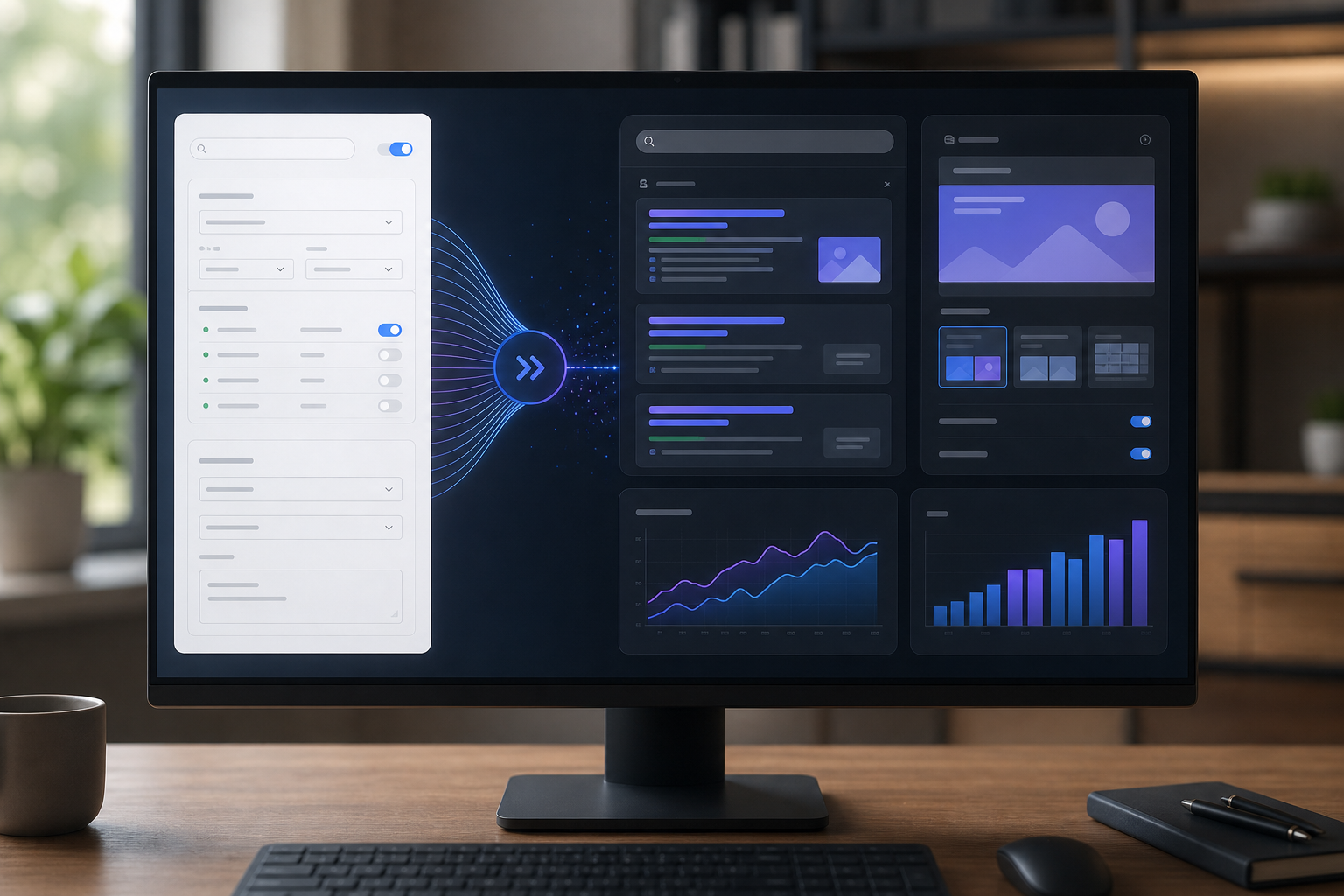
Google Ads is moving eligible legacy Search campaign settings to AI Max. Here is what U.S. and Canadian advertisers should review before the September 2026 transition.

Google is moving eligible Search campaigns from several legacy settings into AI Max for Search campaigns. As of September 11, 2026, the September transition applies to campaigns using automatically created assets, now called text customization, and campaigns using the campaign-level broad match setting.
There is one important exception: Google extended the Dynamic Search Ads, or DSA, sunset and automatic upgrade timeline to February 2027. That means advertisers using DSA should still prepare, but they should not assume their campaigns will be converted by September 30, 2026.
AI Max is not a separate campaign type. It is an optimization layer inside an existing Search campaign that combines search term matching, text customization, final URL expansion, and additional controls for brands, locations, and URLs.
Review the official AI Max setup instructions
Google’s current guidance identifies two legacy settings for the September 2026 automatic transition:
Dynamic Search Ads are still part of the broader AI Max transition, but Google’s updated Help documentation says their automatic upgrade will begin in February 2027. The earlier September timeline was revised after Google said advertisers needed more time to complete the DSA transition.
The practical change depends on which legacy feature your campaign uses. AI Max can expand search-term matching beyond the campaign’s existing keyword structure, create more tailored text, and select a different relevant landing page from your domain.
For campaigns using text customization, the main change is that automatically created assets are managed through the AI Max asset optimization panel. For campaigns using campaign-level broad match, search term matching becomes the AI Max control that governs broader query expansion.
Final URL expansion is a separate but related setting. When it is enabled, Google may send a user to a more relevant page on the advertiser’s domain instead of using the original final URL. It can also generate ad text that matches that landing page.
That flexibility can help advertisers capture additional searches, but it also means campaign owners should review where traffic may be sent. If strict landing-page control matters, use URL exclusions or URL inclusions where appropriate. Turning off final URL expansion keeps the campaign from selecting alternative landing pages through that feature.
When a DSA campaign is upgraded, Google says the dynamic ad group will become a standard ad group. Existing Dynamic Search Ads will be converted into Responsive Search Ads, with the minimum static assets generated through text customization.
Google also describes a transition period. Legacy DSAs may continue serving while the new Responsive Search Ads are created and reviewed. Once the new ads are eligible and active, the updated DSAs are expected to be paused and placed in a view-only state.
Some older DSA URL rules, including rules based on page titles or page content, may become read-only after an upgrade. Advertisers should document important targeting and URL settings before making a voluntary change.
Open the campaign settings in Google Ads and determine whether the campaign uses Dynamic Search Ads, text customization or automatically created assets, or the campaign-level broad match setting. A single account may contain campaigns affected by different timelines.
Check the official broad match campaign setting guidance
Check whether final URL expansion is enabled or likely to be enabled during the transition. Review URL exclusions for pages that should not receive ad traffic, such as support pages, policy pages, job listings, or content that is not intended for paid acquisition.
If your campaign relies on pinned Responsive Search Ad assets, remember that pinned assets may not be respected when final URL expansion or URL inclusions select a more relevant destination. Turning off final URL expansion is the more predictable option when pinned messaging and fixed landing pages are essential.
Text customization can use copy from your website and existing advertising materials to create variations for particular searches. Review your landing pages and ad assets for outdated claims, unsupported offers, restricted terms, or wording that does not match your current brand guidelines.
Google’s AI Max controls also include text guidelines and term exclusions, which can help limit certain words or phrases in generated text. These controls are worth reviewing before allowing automatic changes across a high-spend campaign.
Review how to turn text customization on or off
Save a recent baseline for conversions, conversion value, cost per acquisition, return on ad spend, search terms, landing pages, and asset performance. AI Max adds reporting views that can show whether traffic came from AI Max matching, broad match expansion, or keywordless matching.
Do not judge the transition only by impressions or clicks. The more useful comparison is whether qualified traffic and business results remain stable after the settings change.
Voluntary migration can make sense if you want to review the new controls before Google changes an eligible campaign automatically. It also gives you a chance to test the setup on selected campaigns rather than discovering the new configuration after an account-wide change.
For DSA campaigns, Google provides an upgrade flow that carries campaign data and settings into standard ad groups. For other Search campaigns, advertisers can enable AI Max from the campaign’s settings and choose the features they want to use.
A cautious approach is to start with campaigns that have clean conversion tracking, reliable landing-page content, and enough historical volume to evaluate performance. Keep tighter controls on campaigns where legal wording, regulated claims, product availability, or exact landing pages are especially important.
Review Google’s official AI Max transition announcement
Google says automatic upgrades for campaigns using text customization and the campaign-level broad match setting begin in September 2026. Google’s earlier announcement expected eligible September upgrades to finish by the end of the month, but the documentation does not establish one universal account-level completion time for every advertiser.
For Dynamic Search Ads, the current Google guidance says automatic upgrades will begin in February 2027. Google has not published a single day in February for every account, so DSA advertisers should treat the month as the announced transition window rather than a precise account deadline.
Before the applicable transition, review campaign settings, landing-page rules, generated assets, conversion tracking, and reporting baselines. If Google displays an upgrade notification in the account, read the campaign-specific details because eligibility and feature mapping can vary.
A. No. Google updated its timeline and says automatic upgrades for Dynamic Search Ads will begin in February 2027. September 2026 applies to eligible campaigns using text customization, formerly automatically created assets, and the campaign-level broad match setting.
A. No. AI Max is an optimization layer for existing Search campaigns. It keeps the Search campaign structure while adding AI-based search term matching, asset optimization, and related controls.
A. Yes. AI Max includes URL exclusions, and URL inclusions can help define which pages may be used. Review these settings carefully because final URL expansion can select a different relevant landing page from your domain.
A. Generated text assets will stop serving. If final URL expansion is enabled, Google says turning off text customization also disables final URL expansion because that feature requires text customization.