Welcome to KnowHow Daily!
Practical guides, money-saving tips, tech solutions, government benefits, and useful information for everyday life.
Welcome to KnowHow Daily!
Practical guides, money-saving tips, tech solutions, government benefits, and useful information for everyday life.

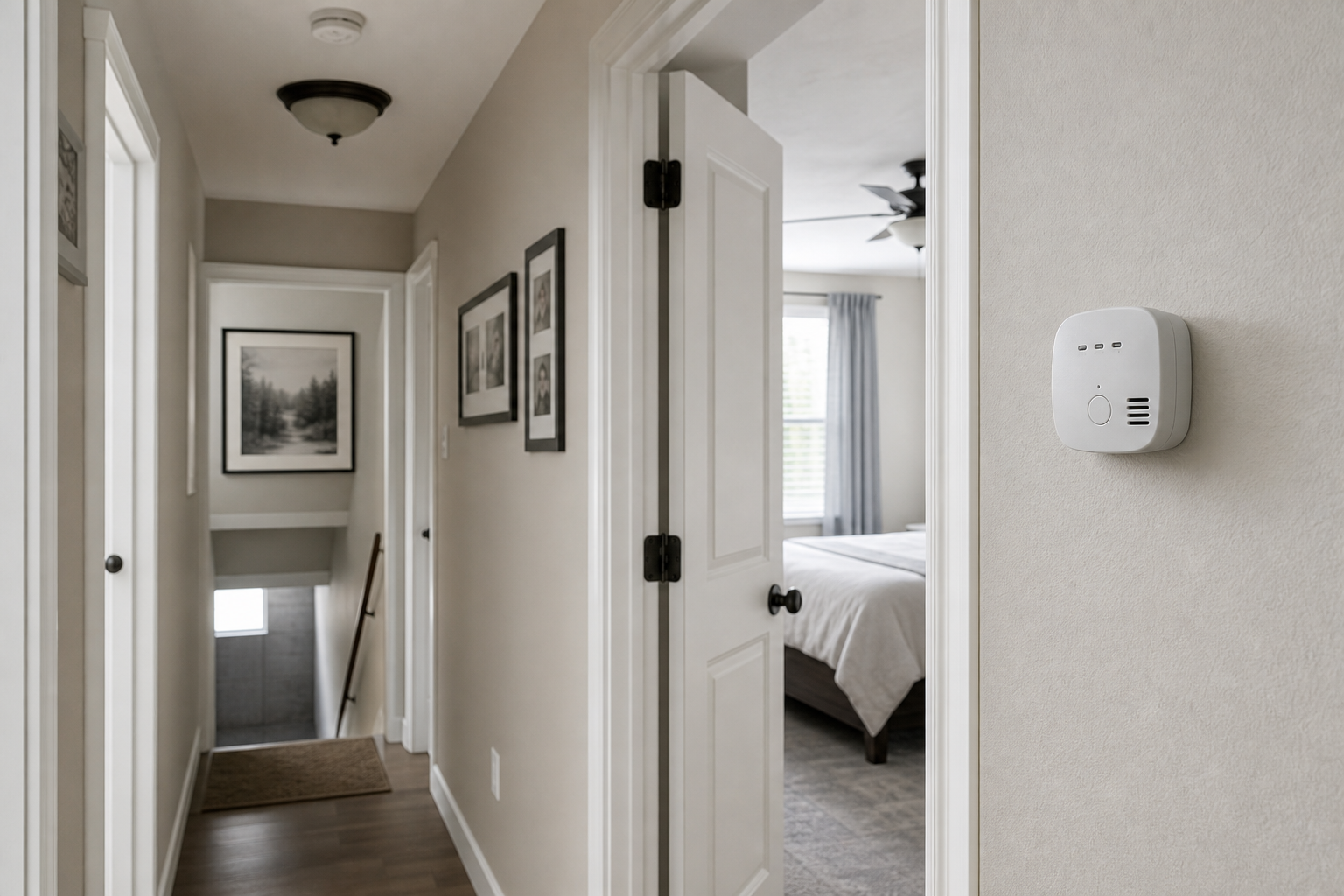
Learn which battery, plug-in, and combination CO alarms meet Ontario’s 2026 rules, where they must be installed, and what to check before buying.
Ontario’s 2026 rules do not require one specific style of carbon monoxide alarm. A compliant alarm may be hardwired, battery-operated, or plugged into an electrical receptacle. The key requirements are certification, correct placement, installation according to the manufacturer’s instructions, and keeping the alarm in working condition.
For a typical Ontario home, the best practical choice is usually a Canadian-market alarm with a recognized certification mark and a 10-year sealed battery. A plug-in model makes sense where you have a suitable outlet and want quick installation. A combination smoke-and-CO alarm is useful when you need both types of protection in the same location, but it does not remove the need for separate alarms elsewhere in the home.
View Ontario’s official Carbon Monoxide Safety requirements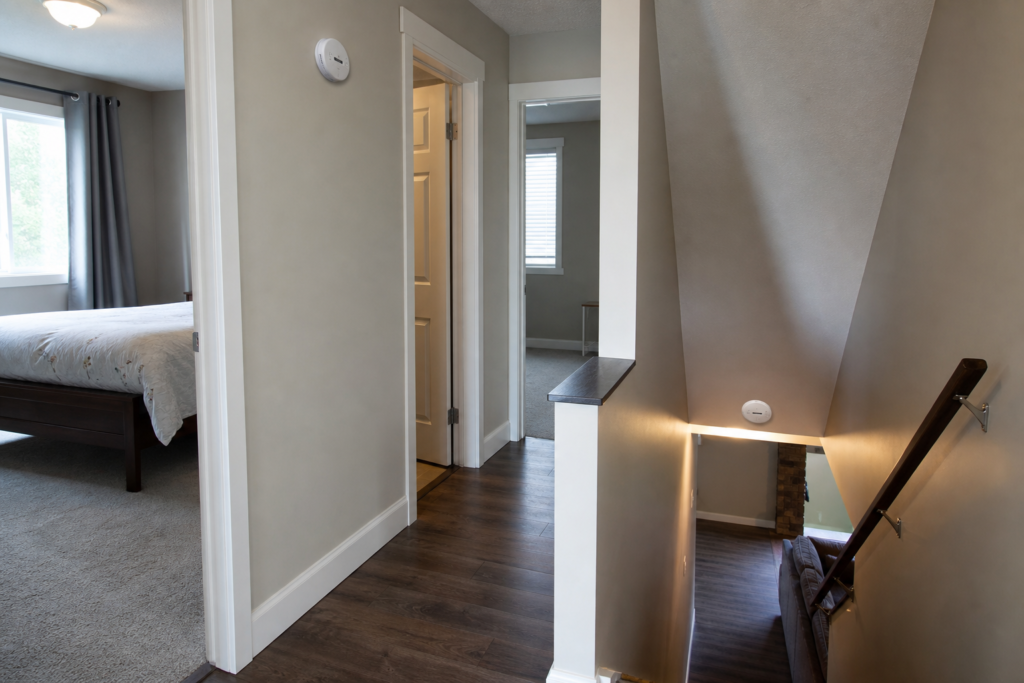
The Ontario Fire Code changes that took effect on January 1, 2026 expanded placement requirements for many existing residential buildings. In a house with a fuel-burning appliance, fireplace, attached garage, or qualifying forced-air heating arrangement, carbon monoxide alarms generally need to be installed adjacent to each sleeping area and on every storey, including a storey without a sleeping area.
In an apartment or condominium unit, the requirements can apply when the unit contains a fuel-burning appliance or fireplace, is located beside or above a service room, is beside or above a garage, or receives forced air from a fuel-burning appliance outside the unit. Depending on the building, alarms may also be required in public corridors heated by a fuel-burning appliance.
Ontario permits the following power arrangements:
The alarm must meet CSA-6.19, “Residential Carbon Monoxide Alarming Devices,” or UL 2034, “Single and Multiple Station Carbon Monoxide Alarms.” When shopping, look for a certification mark from a recognized testing agency, such as CSA, ULC, or ETL, on the product or packaging.
Read the official Ontario Fire Code regulation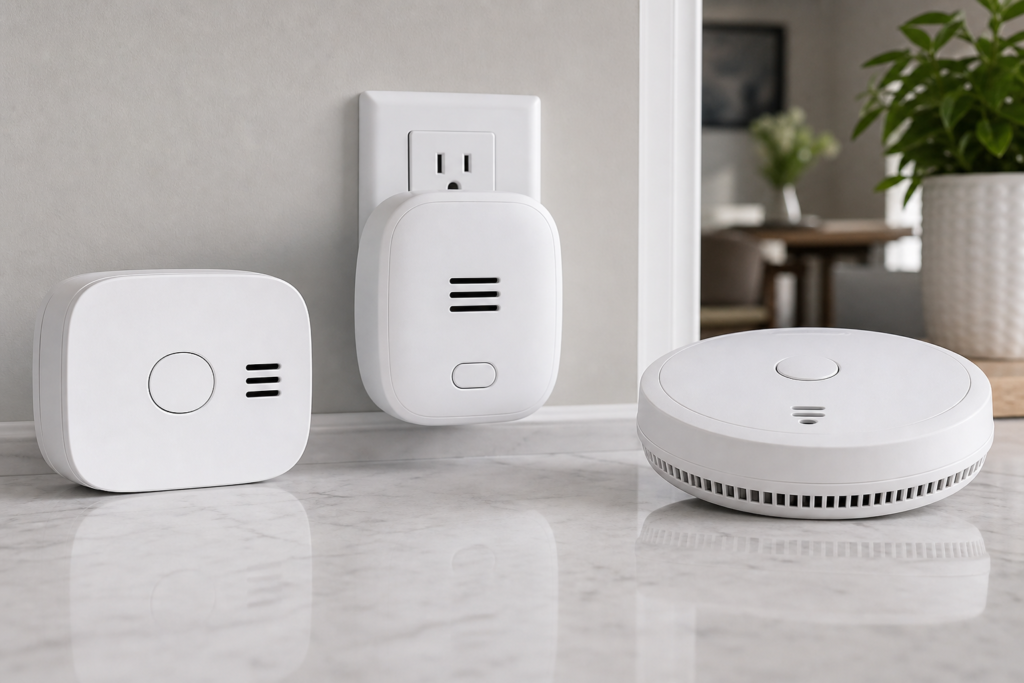
| Type | Best for | Main advantage | Trade-off |
|---|---|---|---|
| 10-year battery CO alarm | Most homeowners and renters | Works during power outages and avoids annual battery changes | The whole alarm still needs replacement at the end of its service life |
| Plug-in CO alarm with backup battery | Homes with convenient outlets | Fast installation and continuous operation during an outage when backup power is included | Placement is limited by outlet location |
| Combination smoke-and-CO alarm | Bedrooms, hallways, and locations needing both protections | One device monitors smoke and carbon monoxide | A single combination unit may not cover every required storey or sleeping area |
The Kidde COBD10-CA is a straightforward option when you want a standalone CO alarm without wiring or routine battery replacement. Its sealed 10-year battery is designed to eliminate regular battery changes and low-battery chirps during the battery’s service life. The digital display can show status information when activated.
This model suits homeowners who need to add alarms on several floors, renters who do not want to depend on an outlet, and rooms where a plug-in design would be awkward. It is also a practical choice for locations that need protection during a power outage.
The limitation is that a digital display does not replace correct placement or regular testing. You still need to press the test button as recommended, follow the user guide, and replace the entire alarm when it reaches its end of life.
View the official Kidde COBD10-CA product pageThe Kidde COPDL10-CA combines plug-in installation with a 10-year backup battery. It is a good fit for a hallway or bedroom area with a suitable receptacle, especially if you prefer not to mount a battery alarm on the wall.
Its digital display and low-level alert feature provide more information than a basic alarm. The backup battery is also important: a plug-in-only alarm may lose power during an outage, while a dual-power model can continue monitoring when electricity is interrupted.
Before buying, confirm that the outlet is not switched off by a wall switch and that the alarm can be installed at the manufacturer’s recommended height and location. Do not place it directly beside a fuel-burning appliance unless the instructions specifically permit that placement.
View the official Kidde COPDL10-CA product pageThe Kidde 30CUD10-CA combines smoke detection and carbon monoxide detection in one 10-year battery-powered device. It can be a space-saving choice for a bedroom hallway or another location where both types of alarm are needed.
Combination alarms are especially useful when replacing older alarms or when you want to reduce the number of devices on a wall or ceiling. The model’s sealed battery means you do not need to schedule annual battery replacements for that unit.
There is one important catch: a combination alarm counts as a CO alarm only for the location where it is installed, and it must still meet the applicable placement requirements. If Ontario’s rules require an alarm on every storey and beside each sleeping area, one combination unit will not automatically cover the entire home.
View the official Kidde 30CUD10-CA product pageCount every storey, including basements and floors without bedrooms, then identify each sleeping area. In a qualifying house, you will generally need an alarm beside each sleeping area and on every storey. A larger home may require several devices even if one alarm has a loud siren.
Battery models are the most flexible because they can be wall-mounted or placed according to the user guide without depending on an outlet. Plug-in models are convenient, but an outlet may be blocked by furniture or unavailable in the best location. Hardwired models can be appropriate during construction or renovation, but installation may require an electrician.
Do not rely only on a retailer’s product title. Check the alarm, packaging, product data sheet, or manual for the applicable Canadian or North American standard and a recognized certification mark. Ontario’s rules specifically identify CSA-6.19 and UL 2034 as acceptable performance standards.
A replaceable-battery alarm may cost less initially but requires regular battery changes. A sealed 10-year model reduces maintenance, but its battery is not meant to be replaced when it becomes weak. At the end of the alarm’s service life, replace the complete unit.
An alarm installed beside a sleeping area must provide an audible warning throughout that sleeping area, even with intervening doors closed. Follow the manufacturer’s placement instructions rather than assuming that every room or ceiling position is equally suitable.
If a CO alarm sounds, leave the building immediately, move to fresh air, call 911, and do not re-enter until emergency responders or qualified professionals say it is safe. Headache, dizziness, nausea, weakness, confusion, or unusual sleepiness can be warning signs of carbon monoxide exposure.
For most Ontario households buying in 2026, a certified 10-year battery alarm is the easiest all-around choice because it works during power failures and can be installed where the Fire Code requires it. Choose a plug-in model when an outlet is available in the right location and you want a fast, low-installation setup. Choose a combination model when you also need smoke protection at that location, but plan the complete alarm layout rather than relying on one device to cover the whole home.
Whichever style you choose, the model matters less than the basics: buy a Canadian-market product with the required certification, install enough alarms, follow the user guide, test them regularly, and replace alarms at the end of their service life.
A. Not every home has the same trigger. The requirements generally apply where a building contains a fuel-burning appliance, fireplace, storage garage, or qualifying forced-air fuel-burning appliance. If you are unsure whether your building is covered, contact your local fire department.
A. Yes, a properly certified combination unit can provide both functions at its installed location. It must still be installed where Ontario requires protection, and a single combination alarm may not cover every required storey or sleeping area.
A. Ontario permits battery-operated CO alarms, but the alarm must be installed or placed according to the manufacturer’s instructions and must meet the applicable performance standard. A portable alarm should not be treated as a substitute for the required permanently positioned alarms unless its instructions support that use.
A. For rental suites, the landlord is responsible for installing and maintaining the required CO alarms and providing maintenance instructions. Tenants should notify the landlord about a damaged, missing, chirping, or malfunctioning alarm and must not remove batteries or tamper with the device.
A. Ontario’s Fire Code identifies CSA-6.19 or UL 2034 as the applicable carbon monoxide alarm performance standards. Check the actual product marking and documentation rather than relying only on a retailer’s listing description.