Welcome to KnowHow Daily!
Practical guides, money-saving tips, tech solutions, government benefits, and useful information for everyday life.
Welcome to KnowHow Daily!
Practical guides, money-saving tips, tech solutions, government benefits, and useful information for everyday life.

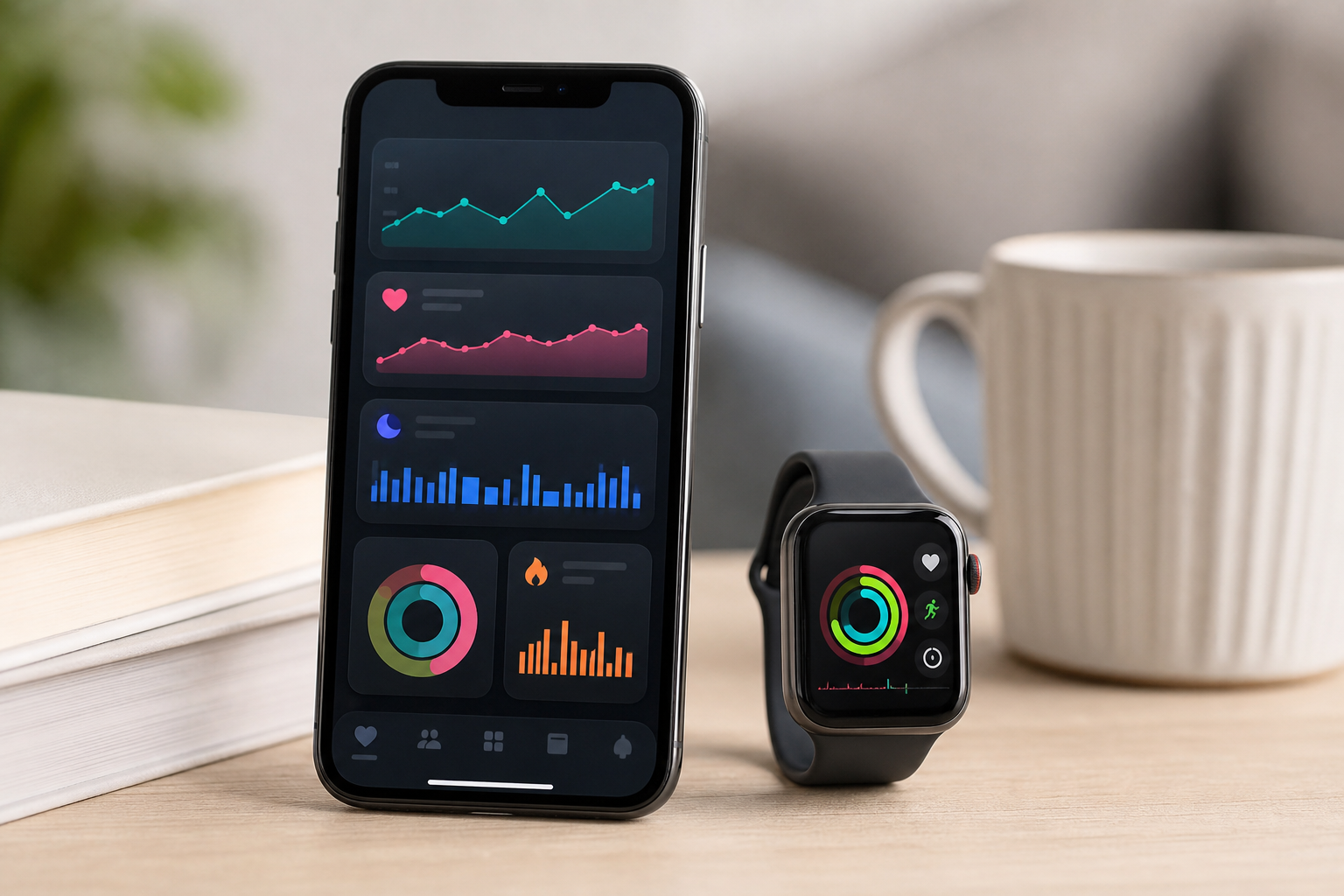
Apple’s redesigned Health app adds Insights, Longevity, Health Age, movement assessments, and Apple Intelligence. Here’s what works, what you need, and what it means.
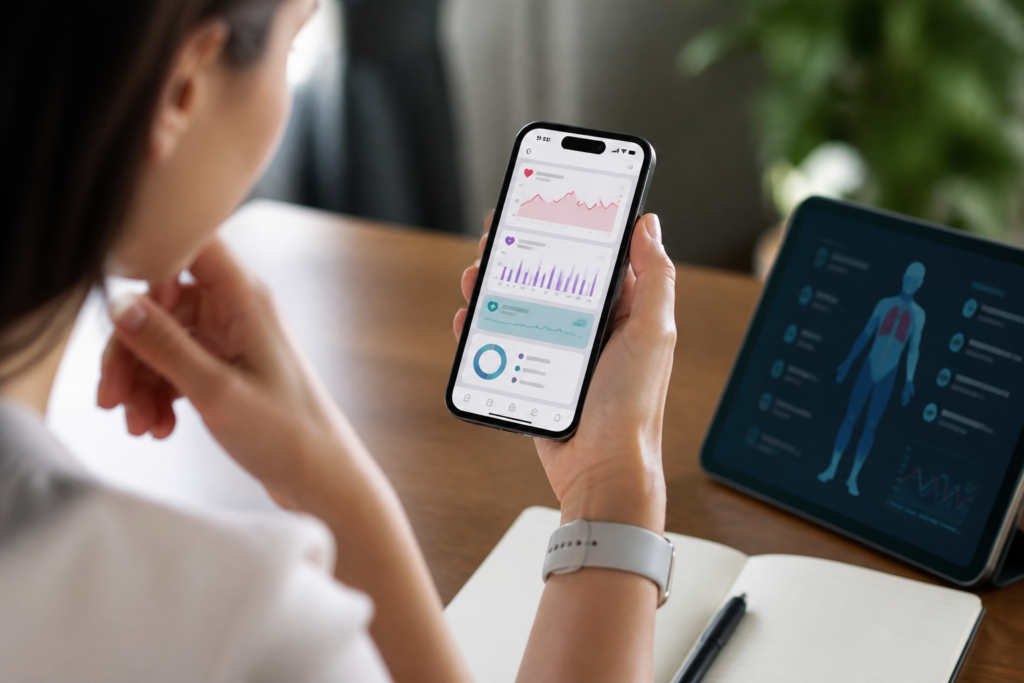
Apple’s redesigned Health app is meant to do more than store measurements. With iOS 27 and iPadOS 27, it will organize health information into daily guidance and longer-term patterns, using Apple Intelligence to explain what the data may mean in plain language.
The biggest distinction is between Insights and Longevity. Insights focuses on what is happening now, while Longevity looks across months or years of information. That sounds simple, but it matters: a single poor night of sleep is different from a persistent change in sleep, activity, heart rate, or fitness.
Apple says the redesigned experience will arrive later in 2026, beginning with U.S. English. Availability may vary by device, language, region, and local regulations.
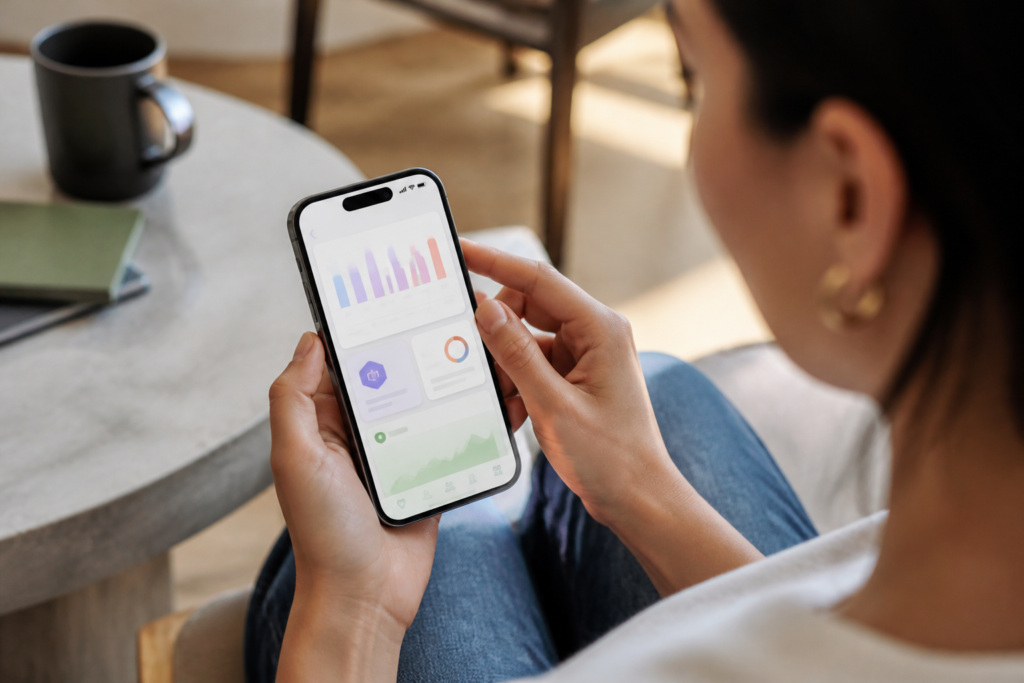
The new Insights tab is designed to surface timely information across heart health, sleep, readiness, fitness, vitals, and cycle tracking. Its summary can update throughout the day as new information becomes available.
A For You section may also suggest relevant habits, articles, or other guidance. For example, Apple says someone experiencing several late nights could receive a suggestion related to improving their wind-down routine. These recommendations are intended to connect health data with practical next steps rather than simply display another chart.
The Longevity tab is broader. It brings together areas such as heart health, sleep, mental wellbeing, movement health, metabolic health, hearing, and nutrition. It can use information from iPhone, Apple Watch, AirPods, clinical health records, and compatible third-party apps or devices.
The quality of the result will depend heavily on the information available. Someone who has worn an Apple Watch consistently, imported lab results, and logged relevant health information may see a more complete picture than someone with only occasional activity data.
Health Age is a new feature within Longevity that compares selected health and fitness measurements with a person’s chronological age. Apple says the analysis may consider Apple Watch data such as VO2 max, resting heart rate, sleep, and heart rate variability, along with optional lab information such as A1c and LDL.
The useful way to think about Health Age is as a personal trend indicator. It may help show whether the measurements Apple uses are generally tracking better, worse, or similarly over time. It should not be treated as a literal estimate of how old your body is, and it cannot diagnose a condition or predict how long you will live.
Results can also be affected by incomplete data, temporary illness, medication, training changes, sleep disruption, and differences in how measurements are collected. A change in Health Age is a reason to look at the underlying factors—not a reason to panic or make medical decisions without professional advice.
Apple is also adding at-home movement evaluations that use an iPhone camera and Apple Watch data. The assessments are designed to examine areas such as flexibility, strength, balance, movement mechanics, and VO2 max.
Apple says the movement experience uses vision-based AI models and runs entirely on the device. The company also says video is not recorded, stored, or shared. Users can receive audio and visual feedback while completing the assessment, followed by content or exercise suggestions connected to the results.
That could make basic movement checks more convenient, especially for people who want a starting point before changing their routine. It is still not the same as an examination by a physical therapist, physician, or exercise professional. If an assessment suggests a serious issue—or if you have pain, dizziness, weakness, or a sudden change in ability—seek appropriate medical care.
The redesigned Health app is intended for Apple Intelligence-enabled iPhone and iPad models running the latest software. Some features are available only on iPhone, and Apple says not every feature will work on every supported device.
For Apple Intelligence, current Apple requirements include a compatible iPhone, iPad, Mac, or Apple Vision Pro, supported software, enough storage for the on-device models, and matching device and Siri languages. Apple’s current support information lists iPhone 15 Pro models and iPhone 16 models or later among the compatible iPhones. Availability can change as Apple adds newer hardware and software.
Health Age requires Apple Watch. The VO2 max estimate can use Apple Watch, AirPods Pro 3, or a compatible third-party heart-rate-sensing device, according to Apple. Movement assessments also rely on an iPhone camera and Apple Watch data.
Apple Watch compatibility is not the same as compatibility with every new Health feature. Apple specifically lists watchOS 27 support for Apple Watch Series 9 or later, Apple Watch SE 3, and Apple Watch Ultra 2 or later, paired with an iPhone 11 or later or iPhone SE 3 running iOS 27. Feature-level requirements may be narrower.
Apple’s official “How to get Apple Intelligence” support page lists current device, software, language, and setup requirements.
Manage Health data permissionsApple’s announcement says the redesigned Health app will launch in U.S. English first, with additional languages to follow. That does not provide a separate Canadian rollout date, so Canadian users should not assume that every feature will appear at the same time as it does in the United States.
The planned lab-shopping feature is more clearly limited: Apple says users will be able to schedule and purchase a panel of more than 50 biomarkers through the Health app at about 2,000 Quest Diagnostics locations in the United States for $119. That is not a Canada-wide service, and Apple has not announced an equivalent Canadian provider or price for this feature.
Other Health features can also vary by country. Apple’s feature-availability page shows regional differences for health records, sharing Health data with providers, lab-result features, medication information, and other services.
Apple’s official iOS and iPadOS 27 feature-availability page is the best place to compare country and language support.
Privacy is one of the more important parts of this update because the app may combine highly sensitive information from several sources.
For movement assessments, Apple says the analysis happens on the device and that no video is recorded, stored, or shared. Apple also says Health data is protected with encryption and controlled through the device’s security settings. If Health data is synchronized through iCloud, deleting information from one synced device can remove it from the others connected to the same account.
On-device processing reduces the need to send camera footage elsewhere, but it does not make every health feature completely offline. Users should still review which apps and accessories have permission to read or write Health data, especially when adding third-party services.
Use them as organized wellness information, not as a diagnosis. The strongest use case is spotting patterns: less activity than usual, declining fitness measurements, repeated sleep disruption, or a change in a health metric that deserves attention.
The weakest use case is treating a single score as a definitive verdict. Health Age is a model built from selected measurements, and Apple’s personalized guidance is generated from available data. Neither replaces a clinician, a lab interpretation, or a properly conducted physical assessment.
Before acting on a recommendation, ask three questions:
If the answer to the third question is yes, the Health app should be treated as a conversation aid—not the final authority.
There is no separate registration process announced for the redesigned Health app. The practical preparation is straightforward:
Update your Apple Watch Update your iPhone or iPadThe redesigned app looks most useful for people who want help connecting scattered health measurements into understandable patterns. Its value will depend less on any one score than on the quality, consistency, and context of the data behind it.
A. Yes. Apple says Health Age requires Apple Watch data. The feature may also use information such as VO2 max, resting heart rate, sleep, HRV, and optional lab results.
A. No. It is a wellness-oriented comparison based on selected health and fitness measurements. It does not diagnose disease, predict lifespan, or replace advice from a qualified health professional.
A. Apple has announced an initial launch in U.S. English but has not provided a separate Canadian rollout date for the redesigned experience. Regional availability may vary, particularly for lab services and other regulated Health features.
A. Apple says the movement assessments run entirely on the device and that video is not recorded, stored, or shared.
A. Some Health app features may work without the newest Apple Watch, but Apple lists specific requirements for features such as Health Age, movement assessments, and VO2 max estimates. Compatibility should be checked feature by feature rather than assumed from the watchOS update alone.