Welcome to KnowHow Daily!
Practical guides, money-saving tips, tech solutions, government benefits, and useful information for everyday life.
Welcome to KnowHow Daily!
Practical guides, money-saving tips, tech solutions, government benefits, and useful information for everyday life.

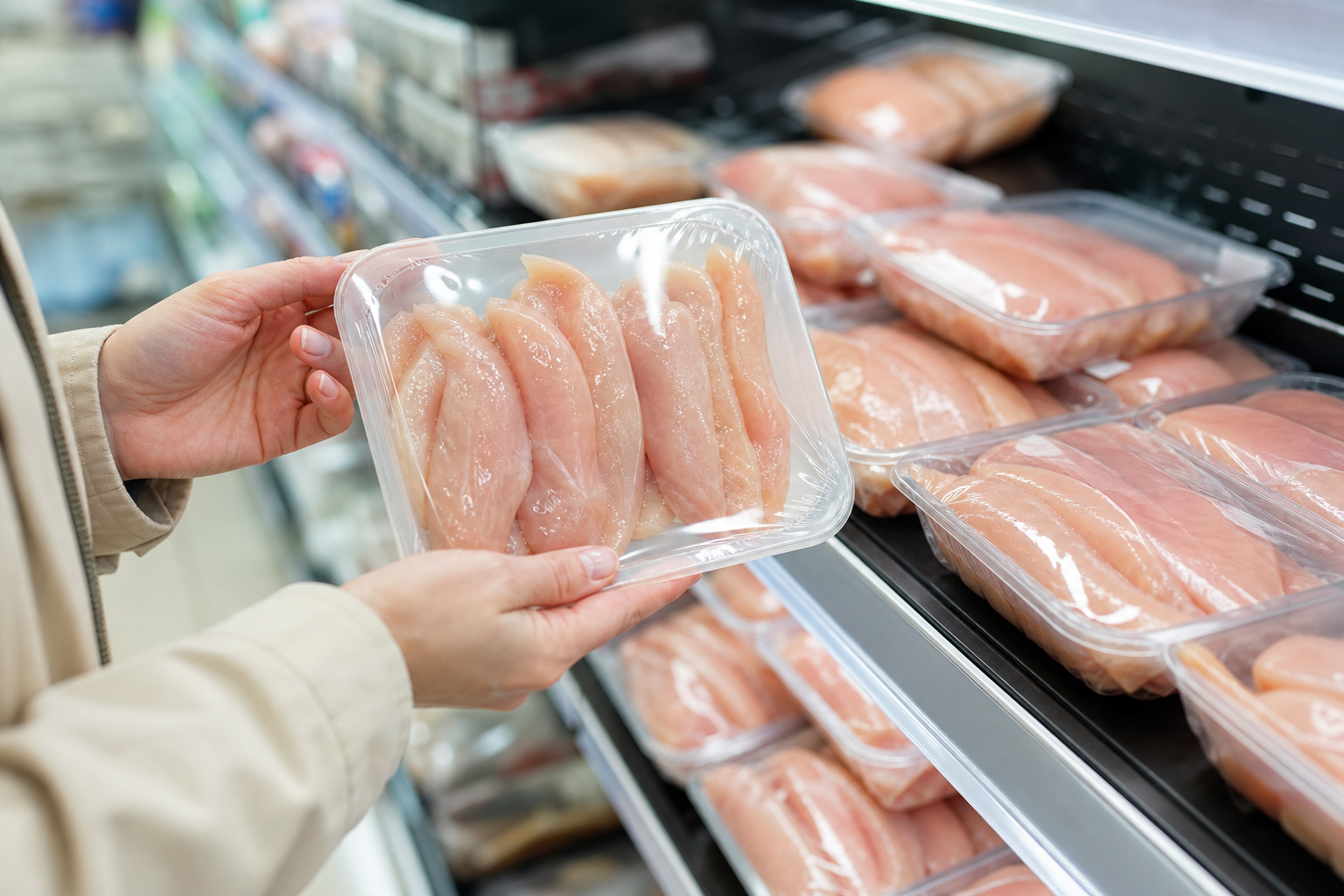
A Class 1 recall affects specific Olymel chicken breast strips sold in Quebec. Check the UPC and best-before code, then learn how to dispose of the product safely.
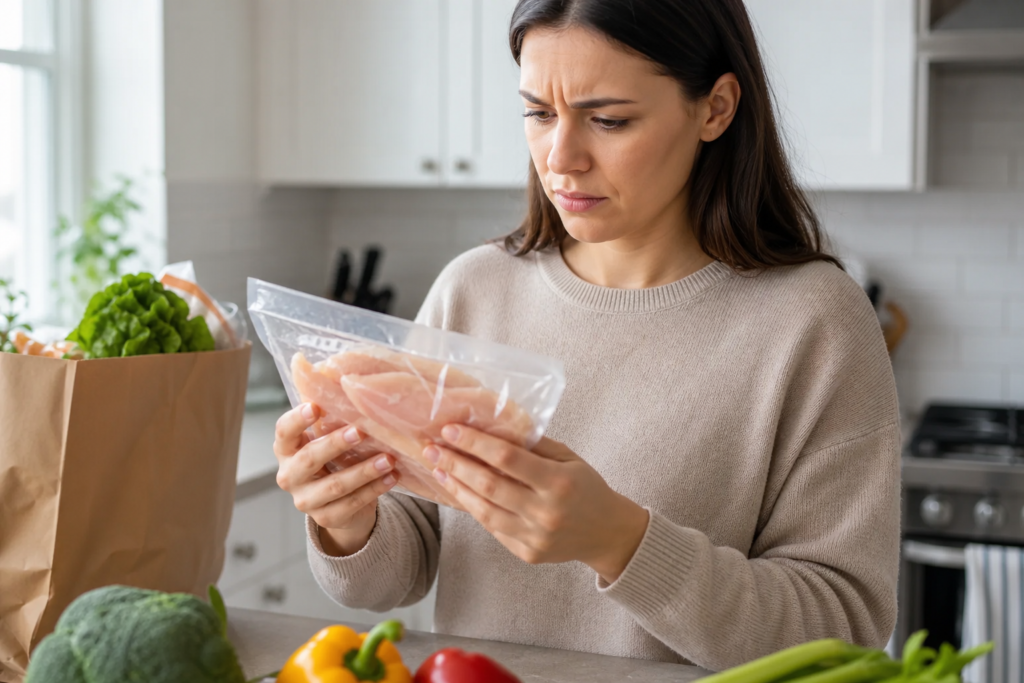
The Canadian Food Inspection Agency issued a Class 1 food recall warning on September 11, 2026, for a specific Olymel Chicken Breast Strips product because it may be contaminated with Listeria monocytogenes. The notice lists distribution in Quebec.
This recall does not apply to every Olymel chicken product. The package needs to match the product name, size, UPC, and best-before code below.
View the official Olymel chicken breast strips recall notice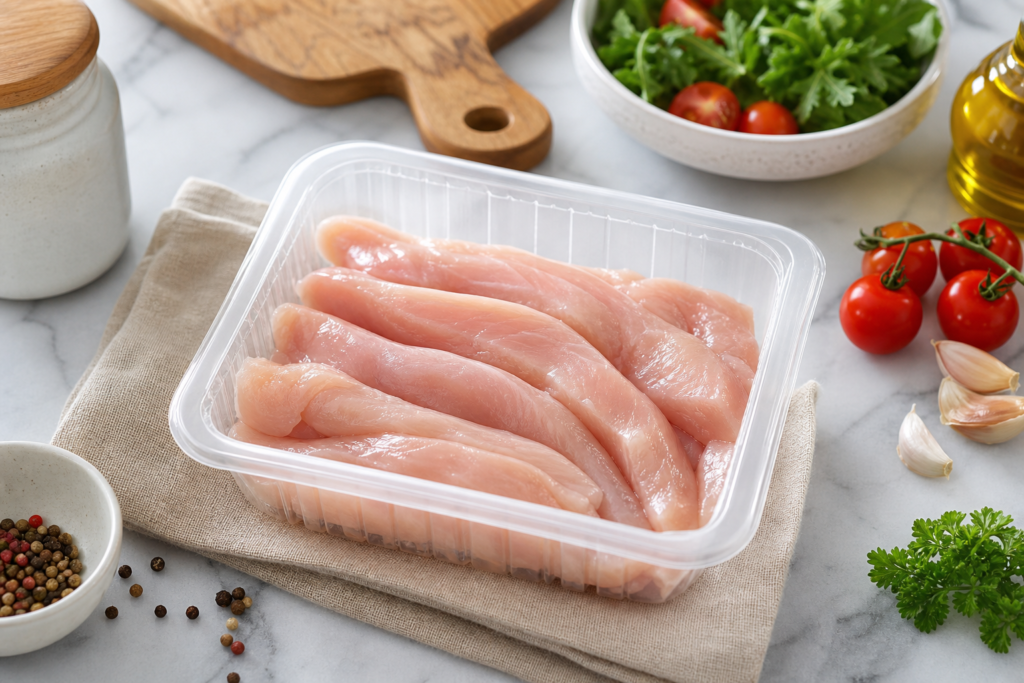
| Check this item | Recalled product |
|---|---|
| Brand | Olymel |
| Product | Chicken Breast Strips |
| Package size | 2 x 175 g |
| UPC | 0 69094 63596 3 |
| Best-before code | 2026 OC 10 |
| Distribution listed by CFIA | Quebec |
| Recall classification | Class 1 |
Look for the UPC and best-before marking on the package rather than relying on the product name alone. If your package does not match the listed identifiers, this particular recall notice does not identify it as affected.
Do not consume, use, serve, sell, or distribute the recalled chicken strips. The CFIA says the product should be thrown out or returned to the location where it was purchased.
Cooking is not a reason to keep a recalled product. The safest choice is to follow the recall instruction and discard or return it.
Listeria monocytogenes can cause listeriosis, a foodborne illness. Contaminated food may not look or smell spoiled, so appearance is not a reliable safety check.
Possible symptoms can include vomiting, nausea, persistent fever, muscle aches, severe headache, and neck stiffness. Some infections cause intestinal symptoms, while more serious infections can spread beyond the digestive system.
People at higher risk of severe illness include pregnant people, adults age 60 and older, newborns, and people with weakened immune systems. During pregnancy, listeriosis can cause serious complications for the baby even when the pregnant person has only mild, flu-like symptoms.
The CFIA recall notice says that no illnesses had been reported in connection with this product as of its September 11, 2026, publication. That does not mean symptoms should be ignored.
If you think you became sick after eating the recalled product, contact a healthcare provider and mention that you may have eaten food connected to a Listeria recall. This is especially important for pregnant people, older adults, young infants, and anyone with a weakened immune system.
Do not try to diagnose listeriosis from symptoms alone. A healthcare provider can decide whether assessment or testing is appropriate.
The CFIA said it was conducting a food safety investigation and that the investigation could lead to recalls of other products. The agency is also verifying that the recalled product is being removed from the marketplace.
Because recall information can change during an investigation, readers should use the official recall notice to confirm the current product details before throwing out a package or serving food to someone else.
The official recall notice identifies Quebec as the distribution area. It does not announce a separate United States recall in the information available for this alert. U.S. shoppers who have a package matching the exact brand, size, UPC, and code should avoid eating it and contact the retailer or the relevant food-safety authority for guidance.
For Canadian shoppers, the CFIA recall notice remains the primary source for the affected product identifiers and official instructions.
A. No. This notice identifies only Olymel Chicken Breast Strips in a 2 x 175 g package with UPC 0 69094 63596 3 and best-before code 2026 OC 10. Other Olymel products are not identified by this specific recall.
A. No. Recalled food may look and smell normal. Do not consume the product; throw it out or return it to the place where you bought it.
A. Compare the brand, product name, 2 x 175 g size, UPC, and best-before code with the official CFIA notice. If you still cannot confirm the package, do not eat it and contact the retailer for guidance.
A. The CFIA notice stated that no illnesses associated with the product had been reported when the recall was published on September 11, 2026. Anyone who feels ill after eating the product should contact a healthcare provider.








FDA Infant Formula Standards Proposal: What Parents Need to Know About Nutrient Changes and the Comment Deadline