Welcome to KnowHow Daily!
Practical guides, money-saving tips, tech solutions, government benefits, and useful information for everyday life.
Welcome to KnowHow Daily!
Practical guides, money-saving tips, tech solutions, government benefits, and useful information for everyday life.

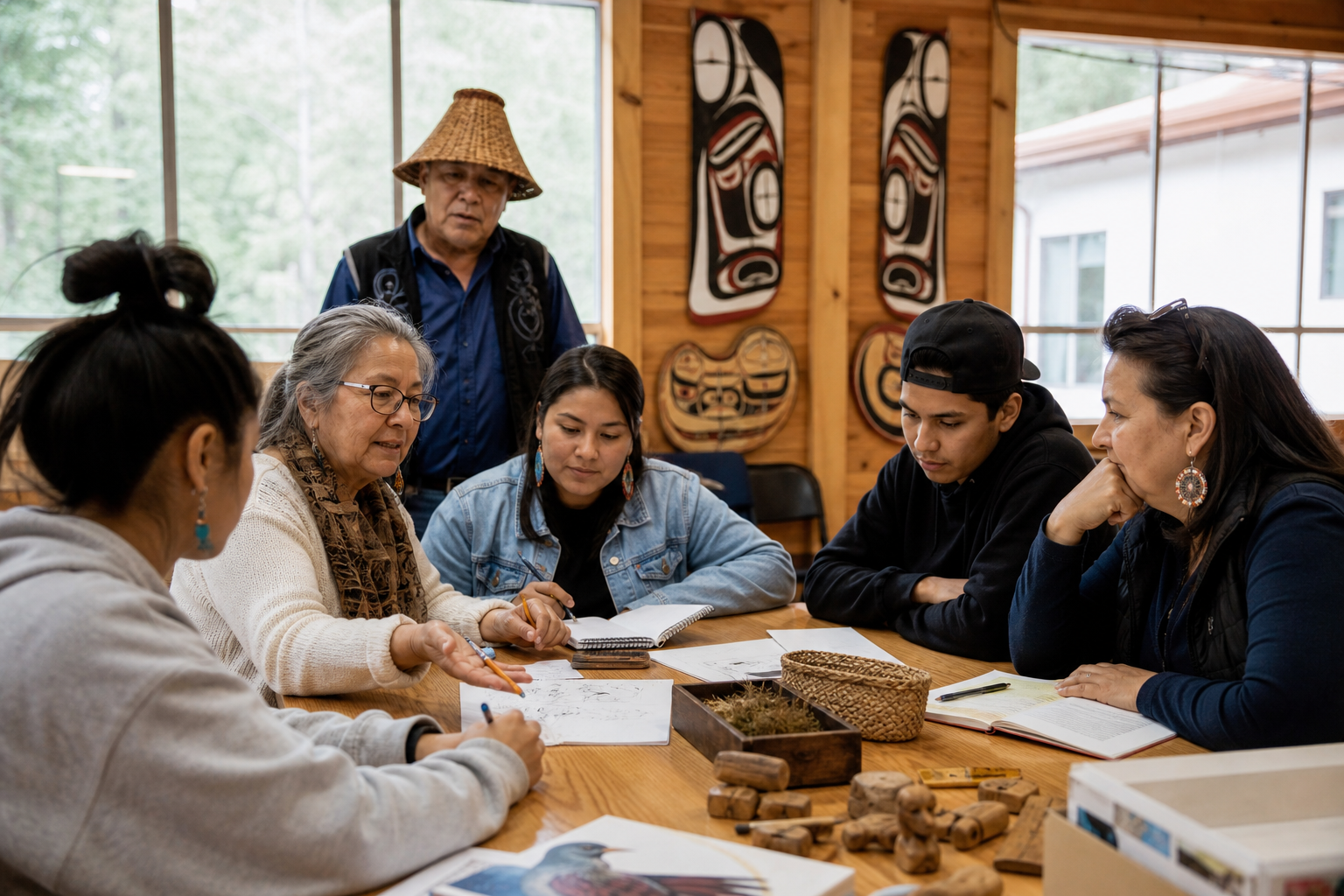
Preparing a 2027-2028 First Nations Languages Funding application? Use this checklist for eligibility, language plans, supporting documents, budgets, regional submission routes, and the November 16, 2026 deadline.
Canadian Heritage is accepting applications for the 2027-2028 Indigenous Languages Component—First Nations Languages Funding Model. The intake opened on October 5, 2026, and closes on November 16, 2026, at 4:00 p.m. Eastern Time.
This funding model supports First Nations communities and First Nations-led organizations working to reclaim, revitalize, maintain, strengthen, and promote First Nations languages. Eligible work can include immersion programs, language nests, mentor-apprentice activities, land-based learning, educator training, community research, documentation, curriculum development, and language resources.
There is no automatic approval. Canadian Heritage says demand exceeds available resources, so an eligible application still has to compete for limited funding.
View the official First Nations Languages Funding Model page
The applicant must be a First Nations organization or group in Canada and must be in good standing. In practical terms, the organization should be owned and controlled by First Nations persons and directly deliver language revitalization services or support their delivery.
Eligible applicants can include:
The ongoing programmatic stream has an additional requirement. Applicants must already have a long-term language plan or work plan and at least two years of experience providing First Nations language revitalization services.
Canadian Heritage also defines good standing in relation to compliance with previous funding agreements. Unjustified late reports or unresolved recoveries can affect eligibility and assessment.
Applicants should decide which stream best matches the work before building the budget and activity plan. Only one application form may be submitted per fiscal year, although that application can include multiple activities or projects.
| Funding stream | Best fit | What to prepare |
|---|---|---|
| Annual and multi-year proposal-based | A new language plan or defined revitalization projects | Project activities, expected results, resources, and a budget; multi-year projects may run for up to five years |
| Ongoing programmatic | Implementation of an established long-term language or work plan | A multi-year language or work plan, ongoing activities, resources, budget, and evidence of at least two years of relevant experience |
Applicants for ongoing programmatic funding may be considered under the annual or multi-year proposal-based stream if the ongoing request isn’t approved. That possibility shouldn’t replace choosing the most accurate stream in the application.
A strong language plan should explain where the community is now, what it wants to change, and how the proposed activities will build language use and fluency over time. For ongoing programmatic funding, Canadian Heritage says the plan should span at least three years.
Before completing the forms, gather the information needed to explain:
A language plan may also include a community language charter, language-related provisions in a constitution or bylaw, research on learning methods, and a plan for managing language data and resources. These elements aren’t a one-size-fits-all checklist; the useful question is whether the plan reflects the community’s own priorities and can guide practical work.
Canadian Heritage requires different components depending on the funding stream. Treat the application as one package rather than a collection of separate forms, because missing attachments can make an otherwise strong proposal incomplete.
If participating First Nations communities and leadership support the project, include proof such as a band council resolution, regional resolution, letter, or email. If that support isn’t available, the guidelines say the applicant should explain why.
The reviewers need to see a clear connection between the activities, expected results, and requested costs. Instead of using one broad line for “language programming,” break the request into understandable activities such as instructor salaries, curriculum development, community assessment, training, travel, Elder fees, resource production, or technology required for delivery.
Canadian Heritage can fund up to 100% of eligible expenses, but total assistance from all levels of government cannot exceed 100% of eligible project costs. Administrative costs cannot exceed 15% of the total approved funding.
Eligible expenses can include salaries and benefits, professional development, travel within permitted government rates, meetings, translation, communications, professional and Elder fees, equipment, information technology, project supplies, insurance, and activity-related administration.
Do not build the request around major construction, deficit recovery, contingency or miscellaneous fees, core education funding, regular board-member compensation, or commercial start-up and operating costs. One practical check is to review every budget line and ask: “Which approved language activity does this directly support?”
The submission route depends on the applicant’s location.
Applicants submitting directly to Canadian Heritage must first request the application package. Complete packages are submitted electronically to autochtone-indigenous@pch.gc.ca. The department says only electronic application packages will be considered.
Review the official application guidelines and package requirementsDon’t wait until the deadline day to assemble the file. A safer sequence is to confirm eligibility first, request the package, choose the funding stream, draft the language plan or project description, build the budget, collect leadership support, and then complete the forms.
Canadian Heritage says it will acknowledge receipt within two weeks. That acknowledgement confirms receipt, not approval. Funding decisions and amounts are final, and successful recipients will have reporting obligations set out in their funding agreement.
A. Yes. Canadian Heritage allows one application form per fiscal year, but that application can include multiple activities or projects. The activities should be presented as one coherent funding request without duplicating work funded through another application or program.
A. No. Eligibility is only the first stage. Applications are assessed against the program objectives, activities, expected results, budget, regional priorities, available resources, and compliance with previous funding agreements.
A. If community or leadership support is expected but isn’t available, the applicant should explain the reason in the application. Canadian Heritage says proof of support may be considered during review, so the explanation should be specific and clearly connected to the circumstances.
A. Canadian Heritage says it will acknowledge receipt of an electronically submitted application package within two weeks. This is a receipt confirmation, not a funding decision or promise of approval.