Welcome to KnowHow Daily!
Practical guides, money-saving tips, tech solutions, government benefits, and useful information for everyday life.
Welcome to KnowHow Daily!
Practical guides, money-saving tips, tech solutions, government benefits, and useful information for everyday life.

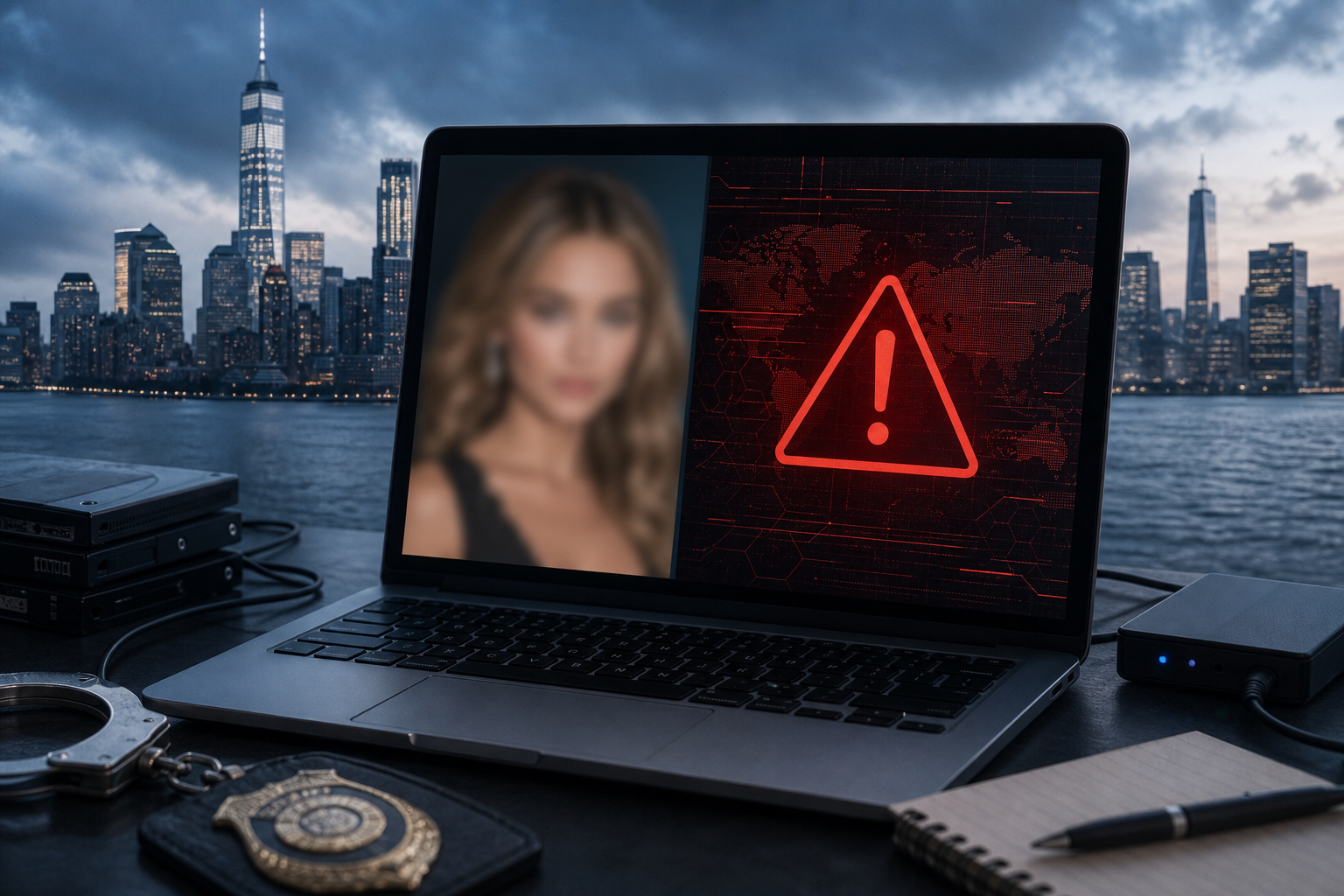
Manhattan prosecutors seized 12 websites linked to non-consensual celebrity deepfakes. Learn what was confirmed, how scams work, and where to report abuse.

The Manhattan District Attorney’s Office announced on September 14, 2026, that it had seized 12 domain names connected to websites that allegedly distributed and sold non-consensual AI-generated deepfake videos. The office said the sites used existing photos and videos of approximately 1,200 real people to create realistic-looking sexual material without their knowledge or consent.
The people depicted were overwhelmingly women and included actors, athletes, musicians, influencers, advocates, politicians, and other public-facing individuals. The websites were not simply hosting misleading celebrity posts; according to prosecutors, they were built around the creation, sale, and distribution of non-consensual intimate imagery.
The seizure was carried out under court authority. The Manhattan D.A.’s Office said the investigation remains active and that similar operations may still be operating under other domains.
The office is asking survivors to contact its Cyber Crime Bureau at 212-335-9600.
Contact the Manhattan D.A.’s Cyber Crime Bureau
The confirmed facts come from the Manhattan D.A.’s announcement. Prosecutors seized 12 domains, identified approximately 1,200 people whose images were allegedly used, and described the content as AI-generated non-consensual intimate imagery.
The investigation is ongoing. That means the announcement does not establish that every person connected to the websites has been charged or convicted. It also does not mean that every deepfake website, celebrity impersonation account, or AI-generated scam page online is connected to this case.
That distinction matters because “deepfake” now covers several different kinds of abuse:
The Manhattan case specifically concerns websites used to distribute and sell alleged non-consensual intimate deepfakes. Other types of deepfake fraud may require different reporting channels.
Scammers do not need to create a perfect video to get someone to click. A familiar face, a copied news-style headline, and a short clip can be enough to create false credibility.
Fake pages often borrow logos, photographs, headlines, and design elements from legitimate news organizations or companies. They may use a celebrity’s face and voice to promote a product or investment, then send visitors to a page that collects payment information, login credentials, or cryptocurrency.
Watch for a combination of warning signs rather than relying on one visual clue:
Voice and video quality are improving, so “it looks real” is not enough. Verify the claim through a separate channel. Do not use the phone number, email address, or link supplied by the suspicious page.
Save enough information to identify the page, but do not forward explicit material or repost it to warn others. Sharing can increase the harm and may create additional legal and platform-policy issues. If someone threatens you, do not pay or send more images. Payment rarely guarantees removal.
Record the page address, account name, date and time, messages, payment instructions, transaction details, and any threats. Keep original emails, screenshots, and files in a secure location. The FBI’s Internet Crime Complaint Center says complainants should retain original documents and evidence because IC3 does not accept attachments with complaints.
If intimate material appears on a platform, use the platform’s reporting and removal process first. In the United States, the Federal Trade Commission’s Take It Down reporting system is intended for complaints about covered platforms that fail to remove intimate images or videos after a valid request.
Report a platform that failed to remove intimate material
For online crime, fraud, extortion, or a deepfake scheme involving money or account information, file a report with the FBI’s Internet Crime Complaint Center. You can report even if you are unsure whether the incident meets a particular criminal definition.
File an FBI Internet Crime Complaint
If the material involves a child or appears to depict a minor, do not download or circulate it. Contact law enforcement and use the appropriate child-exploitation reporting channel instead of attempting to investigate it yourself.
Call 911 in the United States or 911 in Canada if someone is in immediate danger. Contact local police if there are threats, stalking, extortion, identity theft, or a risk that the perpetrator knows where you live or work.
The Manhattan seizure is a New York investigation, but people in Canada can still report related fraud or impersonation to the Canadian Anti-Fraud Centre and to their local police service. The Canadian Anti-Fraud Centre accepts reports about scams involving impersonation, online advertisements, messaging apps, and requests for money or personal information.
Canada also treats the non-consensual distribution of intimate images as a criminal offence. The federal government advises people to document what happened, report the content directly to the platform, and seek help from police or appropriate support services. If a minor is involved, Cybertip.ca is the relevant national reporting service for online child sexual exploitation.
Report online child sexual exploitation in Canada
The Manhattan D.A.’s Office said its investigation is continuing and that investigators will monitor whether similar sites reappear under different domains. As of September 17, 2026, the office has not announced a final charging outcome for all people connected to the seized websites.
For victims, the most useful next step is to preserve evidence and report through more than one appropriate channel: the hosting platform, law enforcement, and a specialist reporting service when the incident involves fraud or a failure to remove intimate material. Avoid contacting suspected operators directly if doing so could expose you to further threats or harassment.
A. No. The September 14, 2026 announcement covered 12 domains connected to the investigation. The Manhattan District Attorney’s Office said similar operations may still exist and that the investigation is ongoing.
A. The legal answer depends on the facts, jurisdiction, and conduct involved. In the United States, federal authorities have used the TAKE IT DOWN Act against non-consensual AI-generated intimate depictions. Threats, extortion, fraud, stalking, and distribution without consent may also trigger other laws.
A. Yes. You can report information about a suspected cybercrime or scam to IC3, the FTC, the Canadian Anti-Fraud Centre, the relevant platform, or local law enforcement. Keep the report factual and avoid downloading or redistributing explicit material.
A. Save page addresses, usernames, screenshots, dates, messages, threats, payment requests, transaction records, and platform report confirmations. Keep original files and messages in a secure location, and do not alter or publicly repost them.









FDA Infant Formula Standards Proposal: What Parents Need to Know About Nutrient Changes and the Comment Deadline