Welcome to KnowHow Daily!
Practical guides, money-saving tips, tech solutions, government benefits, and useful information for everyday life.
Welcome to KnowHow Daily!
Practical guides, money-saving tips, tech solutions, government benefits, and useful information for everyday life.

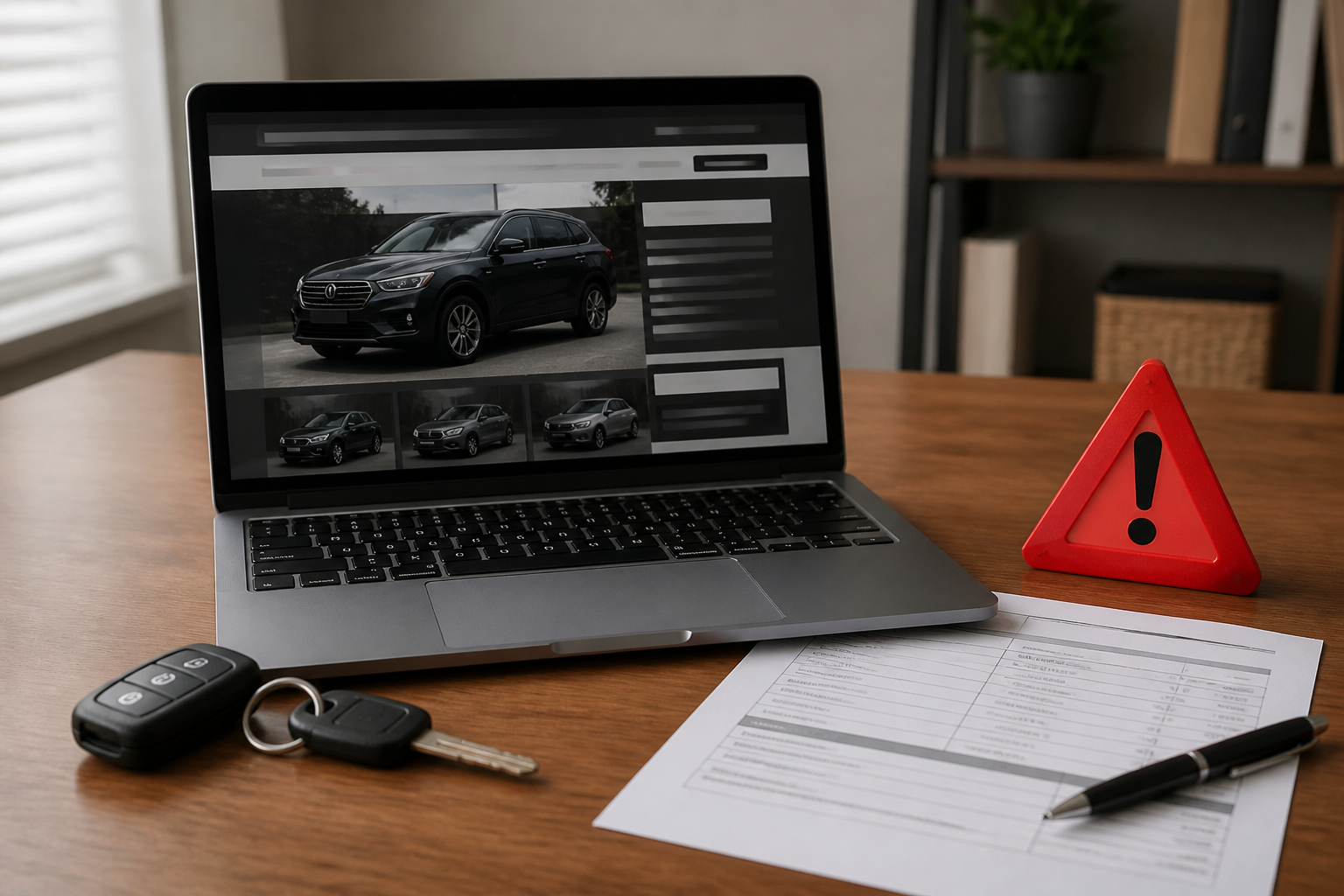
Fake car dealership websites can copy real dealer listings and logos. Learn how to verify a dealer, spot payment red flags, and act quickly if you sent money.
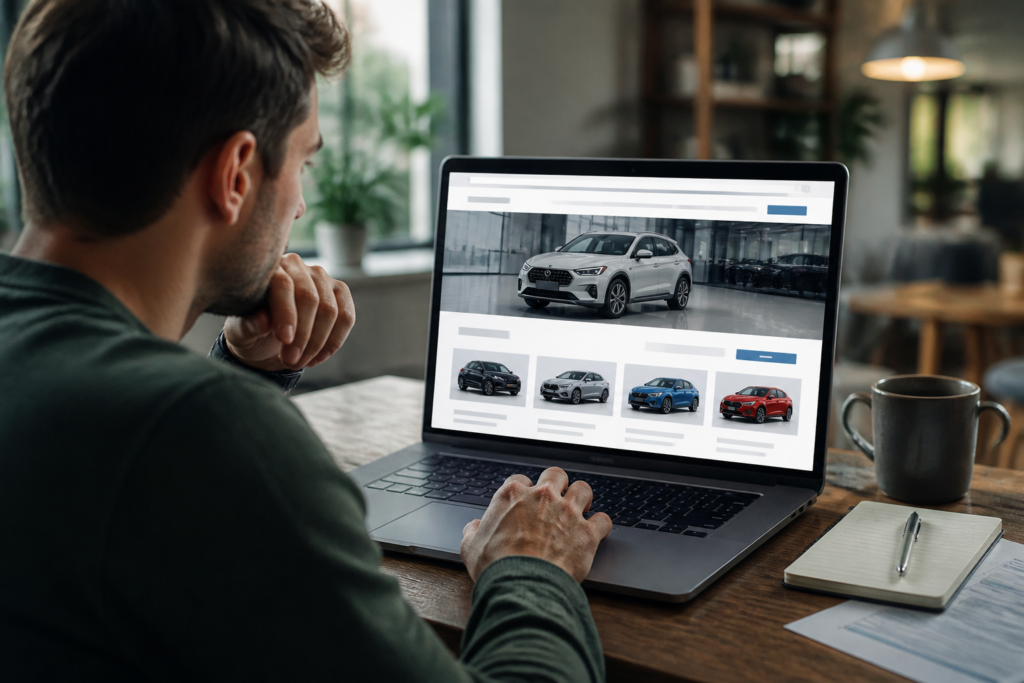
On September 1, 2026, the Federal Trade Commission warned that scammers are impersonating real car dealerships online. The fraudsters may copy a legitimate dealer’s branding, vehicle photos, listings, sales language, and even customer testimonials. Their goal is to collect an upfront deposit or the full purchase price for a vehicle that either doesn’t exist or has nothing to do with the real dealership.
This is more than a poorly designed fake website. A cloned site can look polished enough to pass a quick search, especially when the scammer uses a real dealer’s name and information. The safest approach is to verify the business through contact details you find independently, not through the website, invoice, email, or text message that brought you there.
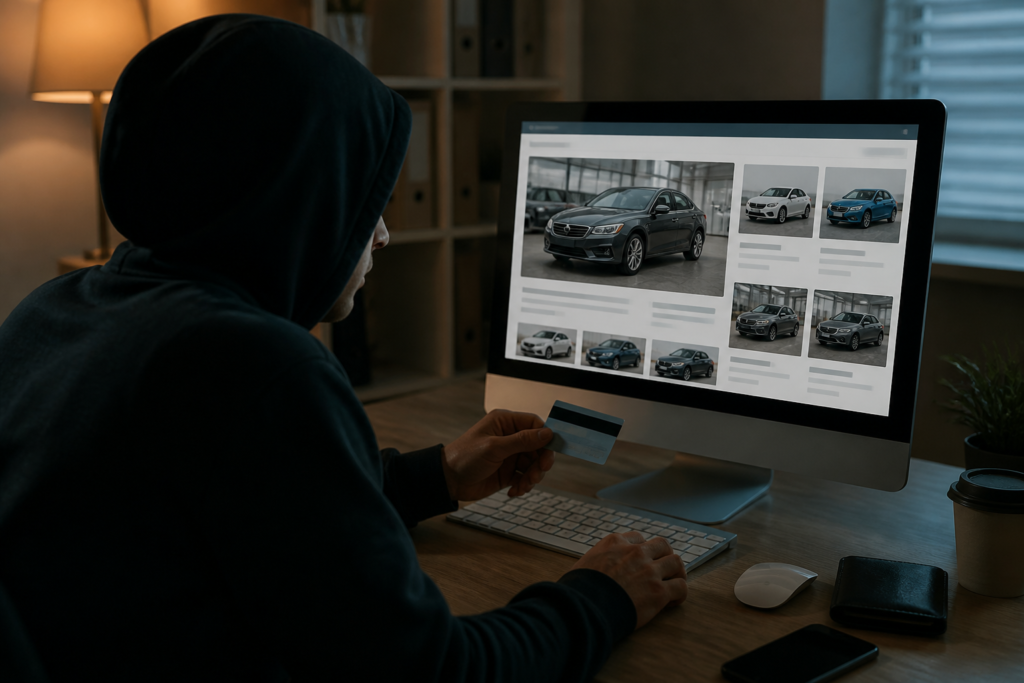
The scam often starts with an online listing for a rare, desirable, or unusually affordable vehicle. The site may describe a detailed buying and shipping process, promise a flexible return policy, and answer questions quickly through email, text, or an online chat.
After you show interest, the supposed dealer may ask for a deposit, transport fee, insurance payment, or the entire purchase price before you can inspect the vehicle. The payment instructions may direct you to a bank account, wire service, cryptocurrency wallet, payment app, or other method that is difficult to reverse.
Some scammers impersonate a real dealership rather than inventing a business from scratch. That creates an additional problem: searching the dealer’s name may produce genuine reviews and an authentic physical address. Those results do not prove that the person contacting you is connected to the real dealer.
Use more than one check. A website address, phone call, or professional-looking invoice is not enough on its own.
Search for the dealership using an unpaid search result, a state or provincial dealer directory, a manufacturer’s dealer locator, or another trusted source. Compare the address and phone number with the information in the sales message.
Do not rely on the phone number printed on the suspicious website or invoice. Call the number you found independently and ask whether the specific salesperson, vehicle, email address, and payment instructions are genuine.
Be careful with search ads, too. A paid result can lead to an impersonator’s site or a misleading phone number. Type a known web address directly into your browser when possible.
Find official consumer protection and dealer complaint resourcesA legitimate dealer should be able to explain where the car is located and arrange an in-person visit. If you cannot travel to the dealership, ask whether an independent mobile inspection service can examine the vehicle before any payment is made.
Refusing an inspection, claiming the vehicle is stored at an inaccessible location, or creating repeated excuses for why nobody can see the car is a serious warning sign. A video call is not a substitute for an independent inspection because scammers can reuse photographs and videos from real listings.
Ask for the vehicle identification number and compare it across the listing, title or ownership documents, inspection paperwork, and the vehicle itself. A mismatched VIN can indicate that the photos, paperwork, and seller are not connected.
Do not treat a vehicle history report as proof that the seller is legitimate. It can help identify discrepancies, but it does not confirm who owns the car or who controls the website. A seller who refuses to provide a VIN for a vehicle they claim to have available should not receive a deposit.
Stop if the seller insists that you can pay only by wire transfer, cryptocurrency, gift card, payment app, or direct bank transfer. These methods can make recovery difficult, especially when the recipient is outside your country.
Payment method alone does not prove that a seller is fraudulent, but a payment ultimatum is a major warning sign. Never send money to a different person or business name simply because the seller says it is a parent company, shipping agent, escrow service, or temporary payment account. Confirm that arrangement independently before paying.
When a legitimate dealer accepts a deposit, ask for a written purchase agreement that clearly identifies the business, vehicle, price, deposit terms, taxes, fees, delivery terms, and refund conditions. Read the document before sending money, and verify the business details separately.
| Warning sign | Why it matters |
|---|---|
| The price is far below comparable vehicles | Scammers use rare cars and unusually low prices to create urgency. |
| You must pay before seeing the vehicle | You have no independent way to confirm that the car exists or is available. |
| The dealer refuses an inspection | A real seller should be able to explain why an inspection cannot happen. |
| The payment account name does not match the dealership | The money may be going to an unrelated person or shell account. |
| The salesperson pressures you to act immediately | Urgency reduces the chance that you will verify the business. |
| The website contains copied text, odd domain spelling, or broken links | These clues may indicate a cloned or recently created site. |
One warning sign may have an innocent explanation. Several together should end the conversation. Do not let a promised discount, delivery deadline, or claim that another buyer is waiting push you into skipping verification.
Act immediately. Contact the company that handled the payment and say clearly that you paid a scammer. Ask whether the transaction can be stopped, recalled, reversed, or disputed. The possible options depend on how you paid and how quickly you report it.
Save the evidence before deleting anything. Keep screenshots of the website, the full web address, emails, text messages, invoices, payment confirmations, phone numbers, names, account details, VIN information, and shipping instructions.
Get the FTC recovery steps after paying a scammerReport the fraud to the Federal Trade Commission through ReportFraud.ftc.gov. If your personal information was stolen, use IdentityTheft.gov for a recovery plan and contact your financial institutions. You can also find your state consumer protection office through USA.gov.
Report fraud to the FTC Report a fraud to the appropriate U.S. agencyReport the incident to the Canadian Anti-Fraud Centre and your local police service. The Canadian Anti-Fraud Centre recommends gathering receipts, documents, emails, and text messages, contacting the financial institution that transferred the money, and notifying both Equifax and TransUnion if identity information was exposed.
Canadian buyers should also check the rules for dealer licensing and consumer complaints in the province or territory where the dealer operates. A provincial licence search can help confirm whether a business exists, but it still does not prove that an online contact is employed by that business.
The FTC’s September 1, 2026 warning confirms the impersonation pattern, but it does not create a single verification database for every dealership. That means buyers still need to combine independent contact verification, an inspection or in-person visit, document checks, and safe payment practices.
If the seller refuses those basic checks, do not continue negotiating. Close the conversation, contact the real dealership through independently verified information if its identity was used, and report the website or listing to the platform hosting it.
A. Yes. Scammers may copy a real dealership’s branding, vehicle listings, photos, address, and customer testimonials. Confirm the salesperson, vehicle, and payment instructions through contact information you find independently.
A. No. Legitimate dealers may require deposits, but the terms should be documented and the business should be independently verifiable. Treat it as a major warning sign if the seller refuses an inspection or insists on a wire transfer, cryptocurrency, gift card, or one specific payment method.
A. Contact your bank and relevant account providers, change passwords, monitor accounts and credit reports, and report the identity theft. U.S. consumers can use IdentityTheft.gov. Canadian consumers should contact both Equifax and TransUnion and follow Canadian Anti-Fraud Centre guidance.
A. Possibly, but there is no guarantee. Contact the bank, card issuer, wire service, or payment app immediately and ask whether the transaction can be stopped or disputed. The payment method and reporting speed can affect the available options.







FDA Infant Formula Standards Proposal: What Parents Need to Know About Nutrient Changes and the Comment Deadline