Welcome to KnowHow Daily!
Practical guides, money-saving tips, tech solutions, government benefits, and useful information for everyday life.
Welcome to KnowHow Daily!
Practical guides, money-saving tips, tech solutions, government benefits, and useful information for everyday life.

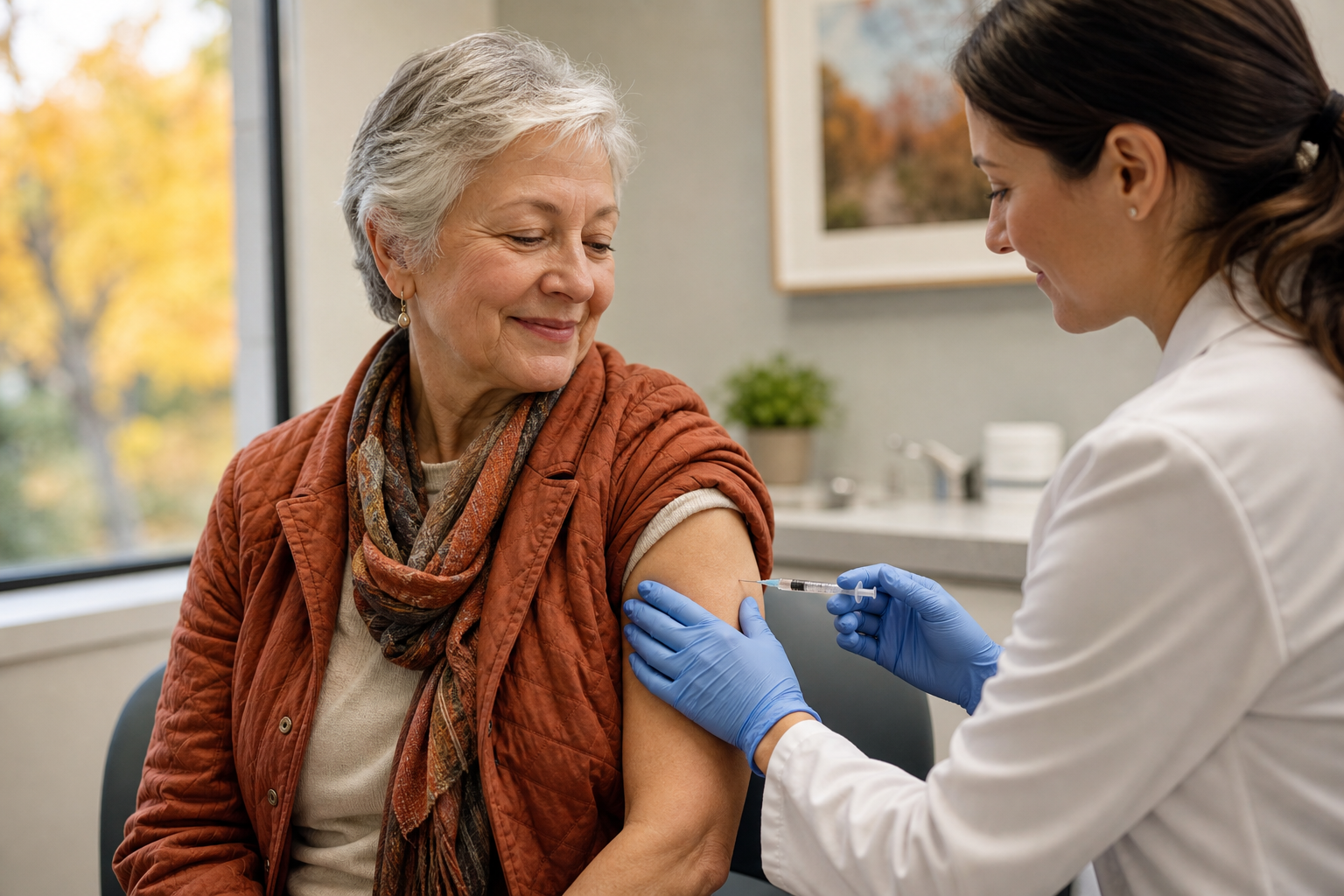
Learn when to get flu, COVID-19, and RSV vaccines in fall 2026, who needs each one, and whether they can be given during the same visit.
If you’re planning your fall vaccines, you usually don’t need three separate appointments. In the United States, flu, COVID-19, and RSV vaccines can be given during the same visit when you are eligible for each one and the timing is right.
The biggest distinction is that these vaccines do not follow the same schedule. Flu vaccination is generally annual. COVID-19 vaccination depends on the current season’s guidance, your age, health risks, and previous doses. RSV vaccination is currently a single dose for eligible adults, not a yearly shot.
This guide reflects U.S. CDC information available on September 14, 2026. Vaccine recommendations can change, so a pharmacist or clinician should confirm the product and schedule for your specific situation.
For most people who need one flu dose for the season, CDC recommends vaccination during September or October. That timing aims to provide protection through the main fall and winter period without giving the shot so early that protection may decline before the season ends.
Vaccination should continue after October as long as flu viruses are circulating and an unexpired vaccine is available. Getting vaccinated late is generally better than skipping the vaccine altogether.
Children who need two flu doses may need to begin earlier so there is enough time between doses. The exact number of doses depends on the child’s age and previous flu vaccination history. Pregnant people and adults with medical conditions should ask their healthcare professional about the best timing for them.
CDC’s currently available public COVID-19 guidance page identifies the 2025–26 vaccine and uses individual-based decision-making for people ages 6 months and older. That means the decision considers factors such as age, previous vaccination, prior infection, pregnancy, and the risk of severe COVID-19.
As of September 14, 2026, the CDC material reviewed for this article does not provide a clearly labeled 2026–27 routine schedule comparable to its newly updated 2026–27 flu page. Do not assume that last year’s dose, product, or interval automatically applies. Before your appointment, ask which COVID-19 vaccine is currently authorized and whether you are due based on your vaccination history and health risks.
CDC recommends one RSV vaccine dose for all adults ages 75 and older and for adults ages 50–74 who have an increased risk of severe RSV illness. Risk factors can include chronic heart or lung disease, a weakened immune system, severe obesity, residence in a nursing home, and certain other medical conditions.
Eligible adults can receive an RSV vaccine at any time of year, but August through October is generally the preferred window in most of the continental United States, before RSV usually spreads more widely.
If you already received an RSV vaccine, you should not receive another dose at this time. RSV vaccination is not currently an annual vaccination for adults.
Yes. CDC says the three vaccines may be given during the same visit when you are eligible for them. This can be useful if returning for several appointments would be difficult or if you want to be protected before respiratory viruses begin spreading more widely.
There is no required waiting period between these vaccines if you prefer separate visits. You can receive one vaccine first and the others later without needing to observe a minimum interval.
Vaccines given by injection should be administered at separate injection sites. Adults may receive more than one shot in the same arm if the sites are separated, or they may choose different arms.
Receiving several vaccines at once may make common short-term reactions more noticeable. Soreness, fatigue, headache, muscle aches, or a low-grade fever can occur. CDC notes that coadministration of RSV and flu vaccines may increase injection-site reactions or other common side effects, while available studies support giving flu and COVID-19 vaccines during the same visit.
| Vaccine | Who generally needs it | Typical fall 2026 timing | Annual? |
|---|---|---|---|
| Flu | Everyone 6 months and older unless there is a contraindication | September or October for most people; later is still worthwhile | Yes |
| COVID-19 | Based on current CDC guidance, age, vaccination history, and individual risk | Confirm the current seasonal product and schedule | Depends on current guidance |
| RSV | Adults 75 and older, plus adults 50–74 at increased risk | Late summer or early fall is preferred for eligible adults | No, not currently |
Talk with a clinician or pharmacist before vaccination if you have had a severe allergic reaction to a vaccine or one of its ingredients, are moderately or severely ill, are pregnant, have a weakened immune system, or are deciding about vaccination for a child.
A mild illness, such as a common cold, does not automatically prevent vaccination, but a healthcare professional can help decide whether it is better to wait until you feel well.
Pregnancy also changes the discussion. Flu and COVID-19 vaccination decisions should follow current guidance for pregnancy. RSV protection for infants may involve maternal RSV vaccination during a specific pregnancy window or an RSV antibody for the baby, depending on the circumstances. These options are not interchangeable in every situation, so pregnant patients should discuss timing with their obstetric or primary-care provider.
For many adults, the practical plan is to arrange a September or October flu vaccination, confirm the current COVID-19 recommendation, and add an RSV vaccine only if they meet the age or risk criteria and have not already received one.
A. No. CDC says there is no recommended waiting period between flu and COVID-19 vaccines. They may be given during the same visit or at separate visits.
A. Generally, no. RSV vaccination is not currently annual for adults. CDC recommends a single dose for eligible adults and says people who have already received one should not receive another dose at this time.
A. A minor illness does not automatically prevent vaccination, but tell the healthcare professional how you are feeling. If you have a moderate or severe illness, you may be advised to wait until you recover.
A. Some older adults may be eligible for all three, but the best plan depends on their COVID-19 history, medical conditions, previous RSV vaccination, and personal preference. A pharmacist or clinician can confirm which vaccines are due and whether same-day vaccination is appropriate.