Welcome to KnowHow Daily!
Practical guides, money-saving tips, tech solutions, government benefits, and useful information for everyday life.
Welcome to KnowHow Daily!
Practical guides, money-saving tips, tech solutions, government benefits, and useful information for everyday life.

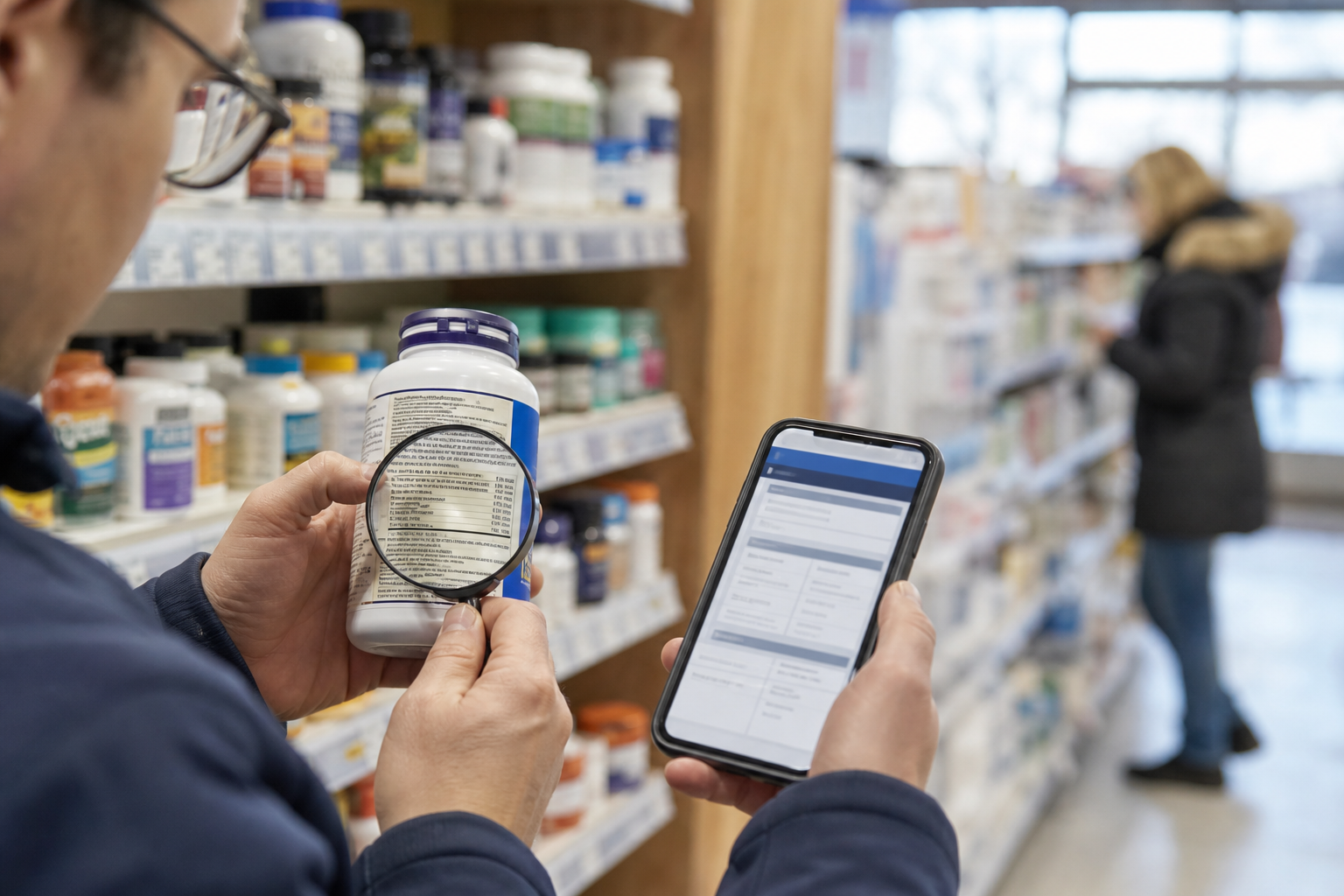
Learn how to check a Canadian supplement before buying, verify an NPN or DIN-HM, read ingredient and warning labels, and spot risky online seller claims.
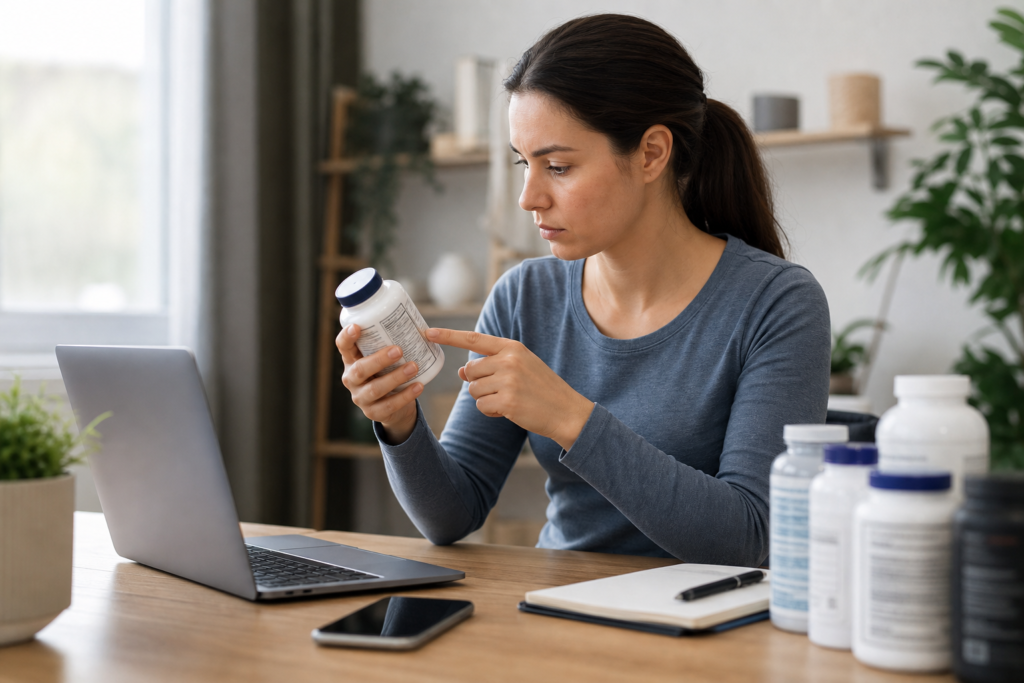
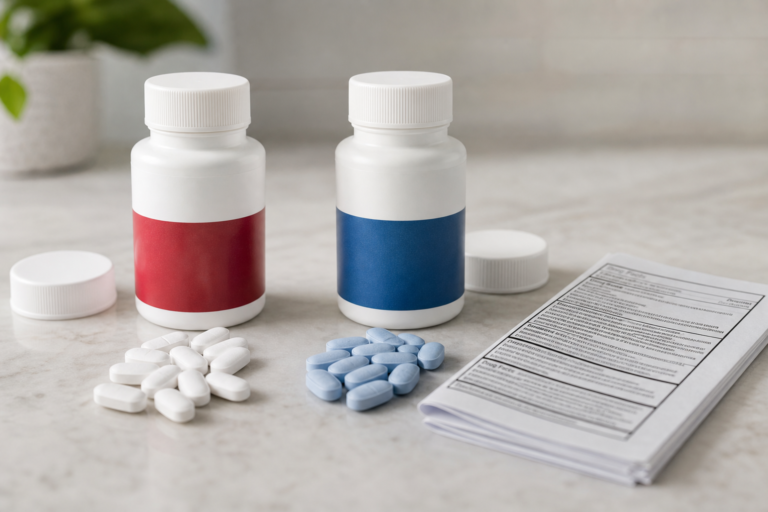
If you’re comparing vitamins, probiotics, herbal products, or other supplements in Canada, the quickest first check is the product licence number. Most licensed natural health products display an eight-digit Natural Product Number, or NPN. Homeopathic products use an eight-digit DIN-HM instead.
These numbers show that Health Canada has authorized the specific product for sale in Canada. The authorization relates to the product’s formulation, recommended use, dosage, warnings, and other labelled conditions. It does not mean the product will work for everyone, replace medical care, or be risk-free for someone taking medications.
The most important distinction is this: a legitimate licence number belongs to a specific product, not merely to a brand or ingredient. A capsule, powder, liquid, or different-strength version may have a different number—or no Canadian licence at all.
Search Health Canada’s Licensed Natural Health Products Database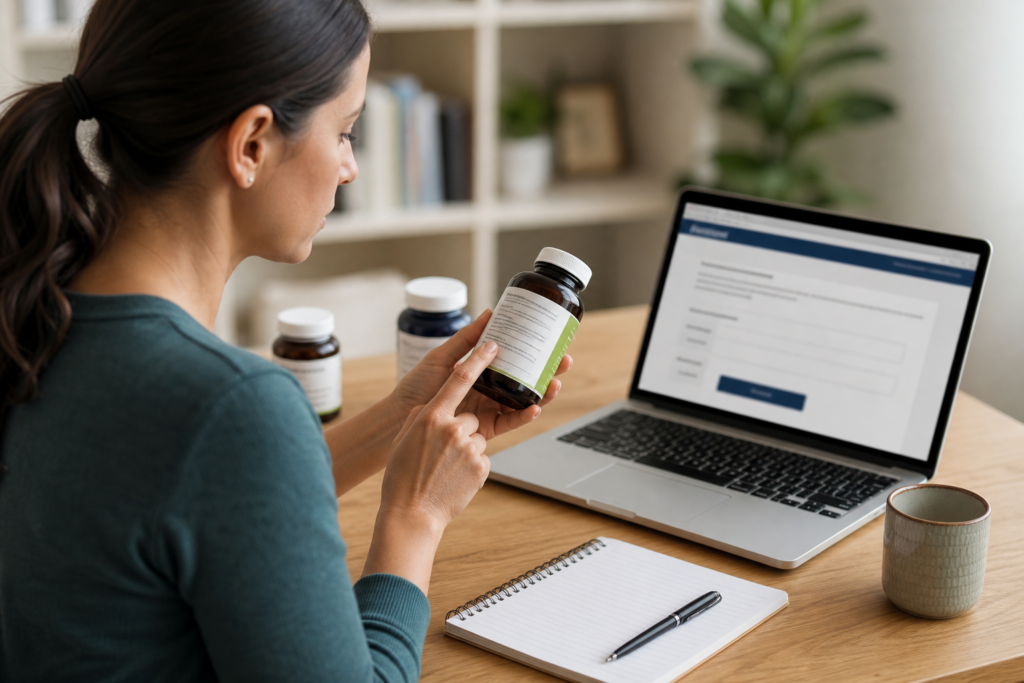
Use Health Canada’s Licensed Natural Health Products Database, often shortened to LNHPD. Search using the eight digits only. You don’t need to type “NPN” or “DIN-HM” into the number field.
A matching result is useful, but compare the details carefully. For example, an NPN for a 500-milligram tablet does not automatically verify a 1,000-milligram version. A product may also have a different licence after a reformulation or label change.
The database can show a licence status such as active, discontinued, cancelled, suspended, or stop sale. A suspended, cancelled, or stop-sale product should not be treated as available for legal sale in Canada. The database also includes a market-status field, but that information is voluntary and should not be used as a perfect stock or availability indicator.
Once the number checks out, read the label as if you were checking a medication. Health Canada expects licensed natural health products to provide information that helps consumers make an informed choice.
Look for the exact ingredient name, source or plant species when relevant, amount per serving, and the form of the ingredient. “Herbal blend” or “proprietary blend” is less useful than a clear list showing what is included and how much.
For probiotics, check whether the label identifies the strains and the amount provided per serving. For minerals, distinguish the amount of the mineral itself from the weight of a larger compound. For botanical products, the plant part and extract details can matter.
The Canadian label should explain what the product is intended to do and how to use it. Treat those directions as the product’s authorized conditions of use—not as permission to increase the dose because a social media post or seller review suggests that more is better.
Be cautious when an online listing recommends a different dose from the Canadian label. It may be describing a foreign formulation, an outdated product, or advice that was never authorized for that product.
Read warnings before looking at the marketing claims. Pay particular attention if you are pregnant or breastfeeding, have a chronic condition, are preparing for surgery, or take prescription drugs, over-the-counter medicines, or other supplements.
Natural products can interact with medications and may cause allergic reactions or other side effects. Products marketed for weight loss, bodybuilding, sexual enhancement, pain, sleep, or blood sugar deserve extra caution because unauthorized products in these categories have sometimes contained undeclared drug ingredients.
Check the expiry date and lot number on the actual package. Confirm that the seal is intact and that the product has been stored appropriately, especially if it contains probiotics, oils, or other ingredients affected by heat and moisture.
A product page that shows only a front-facing bottle image is not enough. Ask for clear images or written details covering the complete label before buying.
An NPN does not make every statement on a marketplace listing trustworthy. The seller may copy descriptions from another product, use outdated packaging, or add claims that go beyond the product’s authorized use.
Be skeptical of claims that a supplement can “cure” a serious disease, replace prescribed treatment, detox the body, guarantee rapid weight loss, or work for everyone. Testimonials and star ratings can describe someone’s experience, but they are not reliable evidence of safety, effectiveness, ingredient identity, or product quality.
Health Canada advises consumers to be cautious when a website refuses to provide a physical address or telephone number, hides the full label, sells products without an NPN or DIN-HM, or uses miracle-cure language. Blurry photos, spelling errors, unexplained overseas shipping, and prices that seem unusually low are additional reasons to pause.
Buying from outside Canada can create another layer of uncertainty. The product may have different ingredients, different directions, or health claims that are not allowed for sale in Canada. It may also be difficult to resolve a counterfeit, damaged, contaminated, or mislabelled shipment.
| An NPN can indicate | An NPN does not guarantee |
|---|---|
| The specific product has a Canadian product licence. | That the product is suitable for your health history. |
| Health Canada assessed the product under its licensing requirements. | That you will experience the claimed benefit. |
| The product has authorized conditions of use, ingredients, and warnings. | That an online seller’s extra claims are accurate. |
| The product can be checked against the official database. | That the item you receive is genuine if the seller’s supply chain is unreliable. |
Think of the NPN as a regulatory identity check, not a personal safety clearance. It helps answer, “Is this exact product authorized for sale in Canada?” It does not answer, “Is this the right choice for me?”
Health Canada has introduced updated labelling requirements for natural health products, including a Product Facts Table. Products authorized on or after June 21, 2025 must meet the new requirements. Products authorized before that date have until June 22, 2028, to comply.
During this transition, you may see older and newer label formats at the same time. That alone does not prove that a product is counterfeit or unsafe. Continue checking the NPN, the complete ingredient list, warnings, dosage, expiry date, and lot number.
If the online listing and the package you receive show materially different ingredients, directions, or warnings, don’t assume the difference is harmless. Contact the seller or manufacturer, and consider reporting the concern to Health Canada.
If you develop a serious reaction, seek medical help promptly. You can also report suspected side effects or concerns about an unlicensed, counterfeit, contaminated, or mislabelled product through Health Canada’s reporting channels.
Report a side effect of a natural health product Report a health product complaint to Health CanadaA. Not necessarily, but it has not been licensed for sale as a Canadian natural health product, so Health Canada has not assessed it under the Canadian licensing process. Without an NPN or DIN-HM, you have less reliable information about its authorized ingredients, claims, warnings, and quality.
A. Yes. The product licence applies to the specific formulation and conditions of use. Different strengths, dosage forms, ingredient sources, manufacturers, or recommended uses may require separate product licence numbers.
A. No. The NPN confirms authorization for the labelled conditions of use, but it does not account for every person’s medication list, medical history, allergies, or surgery plans. Ask a pharmacist or another qualified health professional about possible interactions.
A. Do not assume the listing is correct. Recheck the eight digits, compare the product name and company, and contact the seller or manufacturer for clarification. If the number still does not match, consider avoiding the purchase and reporting the concern to Health Canada.