Welcome to KnowHow Daily!
Practical guides, money-saving tips, tech solutions, government benefits, and useful information for everyday life.
Welcome to KnowHow Daily!
Practical guides, money-saving tips, tech solutions, government benefits, and useful information for everyday life.

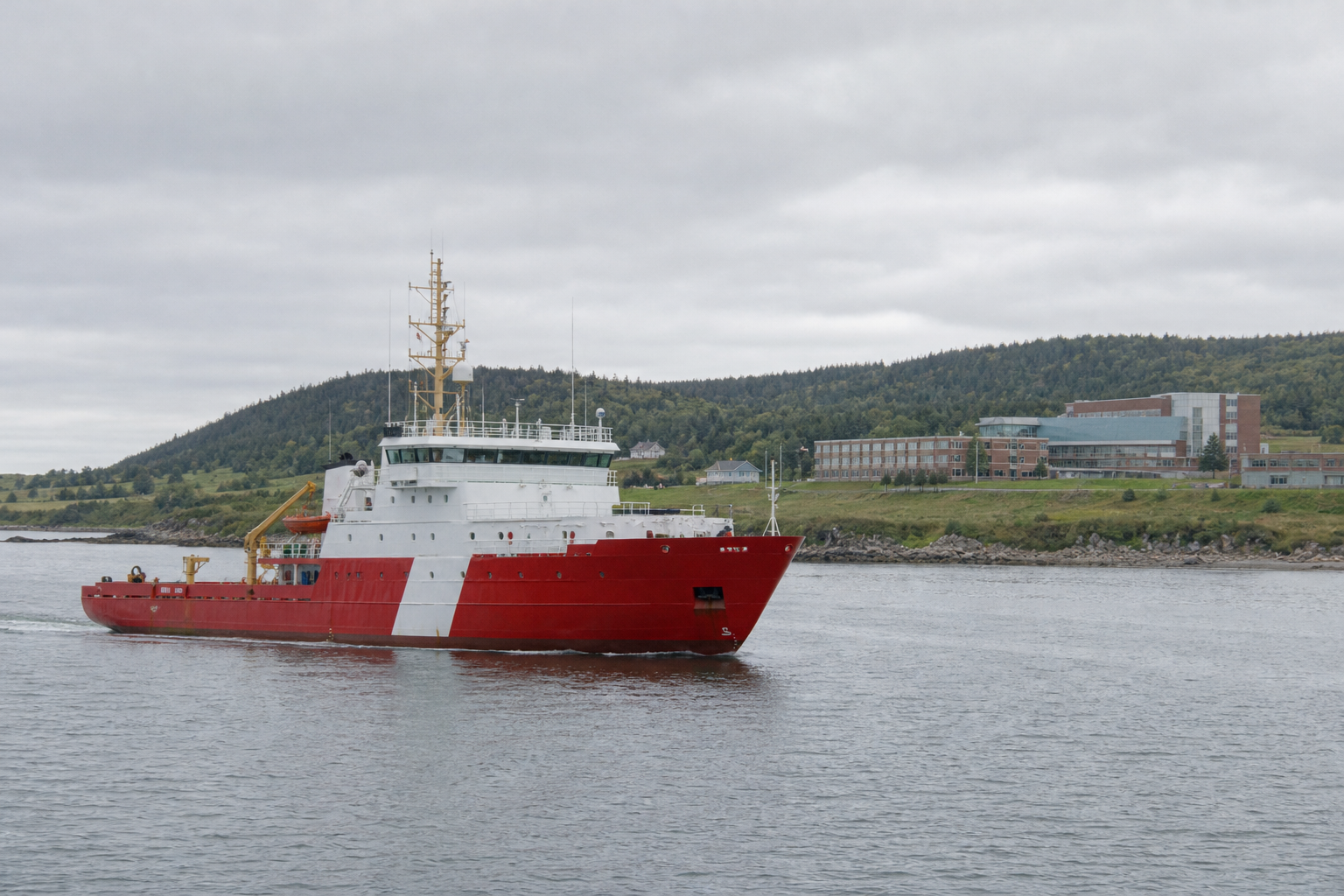
The Canadian Coast Guard Academy will host an English admissions-process presentation on October 28, 2026. Learn what to prepare, bring, and ask.
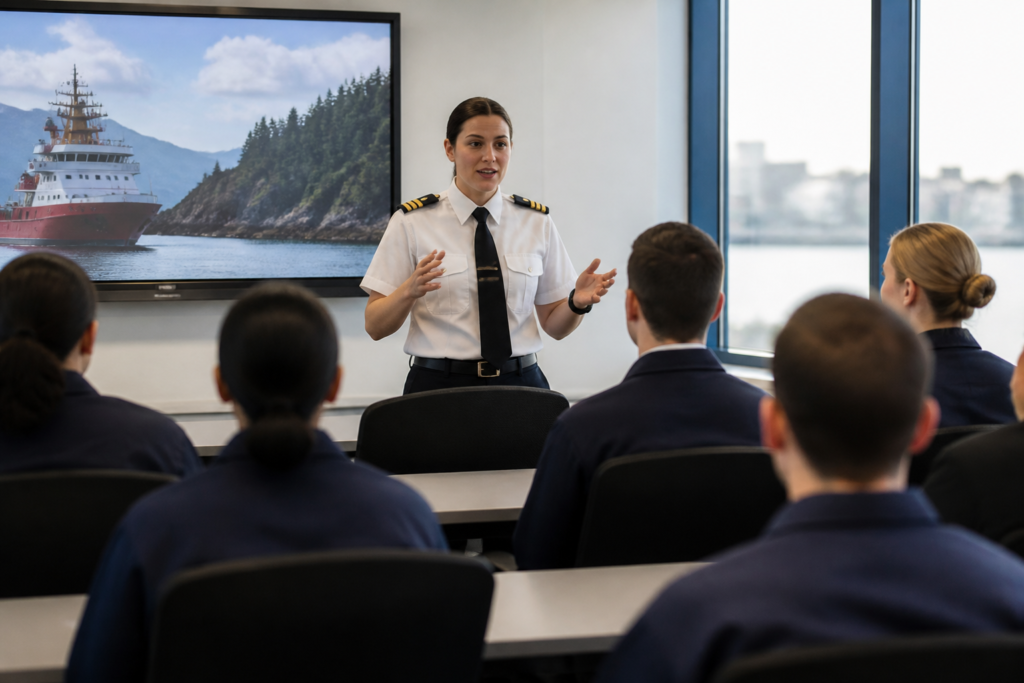
The Canadian Coast Guard Academy has scheduled an English virtual presentation about the Officer Training Program admissions process for October 28, 2026, at 7:30 p.m. Atlantic Time. The presentation is aimed at prospective officer cadets and will explain how the program’s education and federal hiring processes fit together.
This isn’t a standard college application. The Academy says applicants are applying for both a degree program and a job with the Government of Canada. The 45-month program combines classroom training at the Academy with practical experience at sea, leading to careers in marine navigation or marine engineering.
Presentation times are listed in Atlantic Time, so applicants elsewhere in Canada should convert the start time for their location. The October 28 session is also listed as an English-language admissions-process presentation, rather than a general overview of campus life.

The Academy’s admissions presentation is designed to walk candidates through the stages that follow an online application. The main topics include:
The presentation should be especially useful for students who understand the academic side of the program but haven’t realized that the application also enters them into a government recruitment process. Applicants may want to keep notes during the session because some steps involve documents, appointments, deadlines, or follow-up responses.
You don’t need to complete every admissions step before attending the presentation. A better approach is to arrive with enough background to identify what still needs attention.
The Academy requires a high school diploma by June 30 of the intake year and normally requires at least 70% in each specified university-preparatory course. Physics, advanced mathematics, and English or French are required for both streams. Chemistry is required for the marine engineering stream.
Course names vary by province. For example, Ontario applicants may need SPH4U physics, MCV4U or MHF4U mathematics, and ENG4U or FRA4U. Applicants in other provinces should use the Academy’s province-by-province requirements instead of assuming that a course with a similar name will qualify.
Before applying, the Academy advises candidates to prepare a resume, high school transcripts, applicable Canadian post-secondary transcripts, and proof of enrollment if required courses are still in progress. Applicants educated outside Canada may also need an international equivalency report.
Put these files in one clearly named folder and check that scans are readable. If you’re still in high school, keep your enrollment proof and later grade reports available because the Academy may request updated records during the process.
Good questions are specific to your situation. Consider asking:
The process starts with an online application and an educational review. The Academy then uses screening questions and an experience questionnaire to assess competencies and relevant life experience, including school, community involvement, volunteering, and seagoing activities.
Applicants who continue may be invited to a written assessment and interview. The Academy says interviews can take place by video conference or telephone. Candidates should be ready to describe real examples of teamwork, dependability, judgment, leadership, communication, adaptability, and problem-solving—not just list those qualities.
Medical and security requirements come later in the process. Candidates may need to obtain a Transport Canada Candidate Document Number before completing the marine medical examination. The Academy also says applicants must pass both a Health Canada occupational assessment medical and a Transport Canada medical, with no duty, health-risk, or geographic limitations.
Security processing can take several weeks or months. Applicants who move forward should respond promptly, monitor email regularly, and keep track of every deadline. The Academy warns that failing to follow instructions or respond on time can end an application.
The application page states that the 2026 intake application process closed on February 13, 2026. It also says information about the next application process was expected in fall 2026. That makes the October 28 session timely for people preparing for a future intake, but the presentation date should not be treated as an application deadline.
As of October 9, 2026, the Academy’s public information identifies the October 28 admissions presentation but does not provide a confirmed new application closing date in the information reviewed for this article. Ask the recruiter about the next intake, opening date, required job posting, and whether documents prepared now can be reused.
If you can’t attend the session, the Academy also provides a recruiter-contact option. A one-on-one conversation may be worthwhile if your academic background, citizenship status, international education, medical situation, or previous application creates a question that general guidance doesn’t answer.
A. The English Canadian Coast Guard Academy admissions-process presentation is scheduled for October 28, 2026, at 7:30 p.m. Atlantic Time. Convert that time for your location in Canada or the United States before registering.
A. No. It is an information presentation about the admissions process. Attending the session does not submit an application or guarantee eligibility. Applicants must still complete the official application and assessment steps when the next intake opens.
A. Both. The Canadian Coast Guard says the Officer Training Program application covers a degree program and a Government of Canada job. Candidates become employees upon acceptance into the training program.
A. Review the course requirements for your province, prepare an up-to-date transcript or proof of enrollment, and identify any required courses that are still in progress. Keep later mid-year, semester, and final records available if the Academy requests them.
A. The Academy says previous applicants must reapply and complete the assessment process again for consideration in a future intake.











FDA Infant Formula Standards Proposal: What Parents Need to Know About Nutrient Changes and the Comment Deadline