Welcome to KnowHow Daily!
Practical guides, money-saving tips, tech solutions, government benefits, and useful information for everyday life.
Welcome to KnowHow Daily!
Practical guides, money-saving tips, tech solutions, government benefits, and useful information for everyday life.

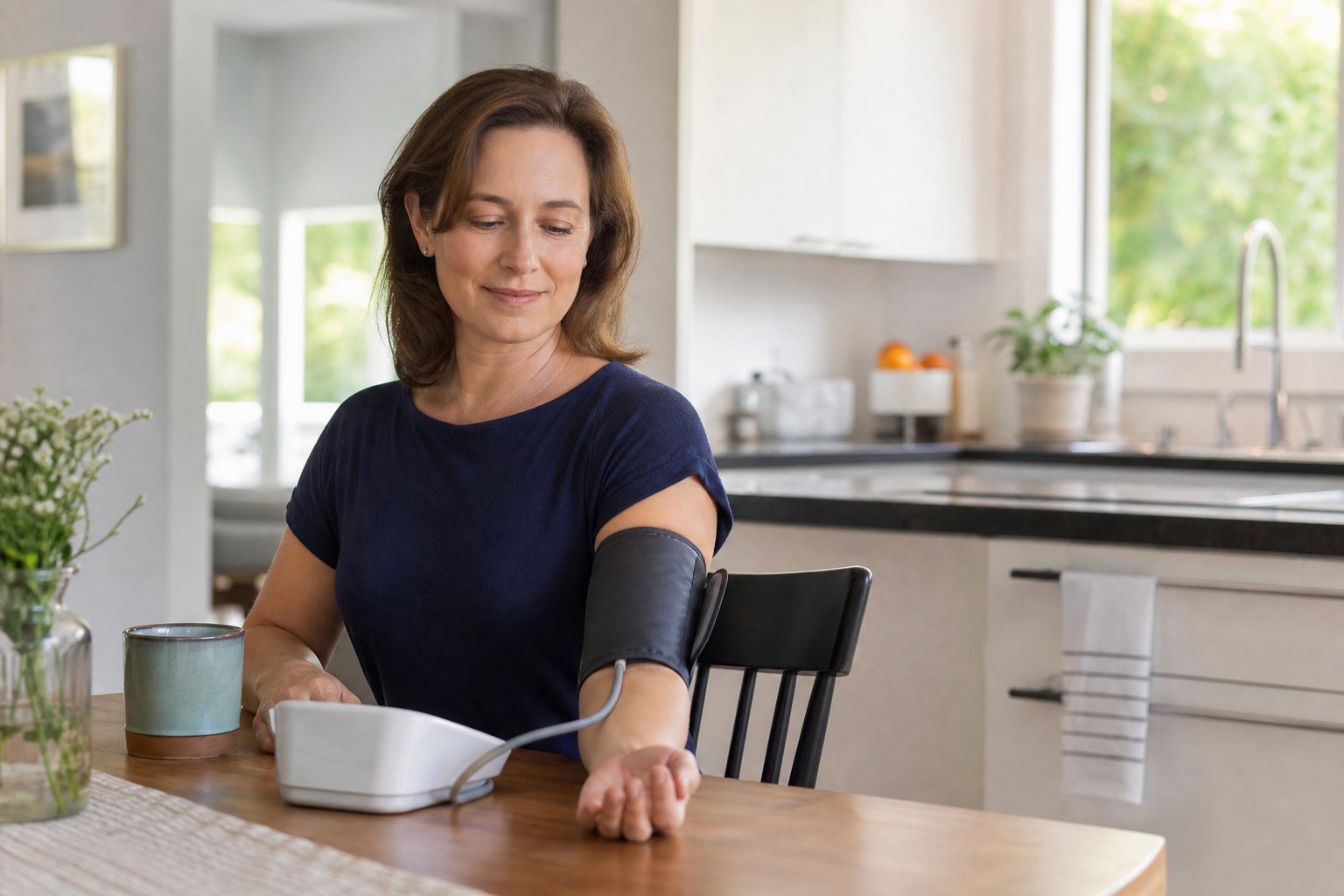
Learn how to choose a home blood pressure monitor, including validation, cuff size, upper-arm versus wrist models, connected features, and accurate measurement tips.
A. For most adults, a validated upper-arm monitor is the preferred option. Wrist monitors are more sensitive to positioning and may be appropriate only in specific situations when an upper-arm cuff cannot be used or a health care professional recommends one.
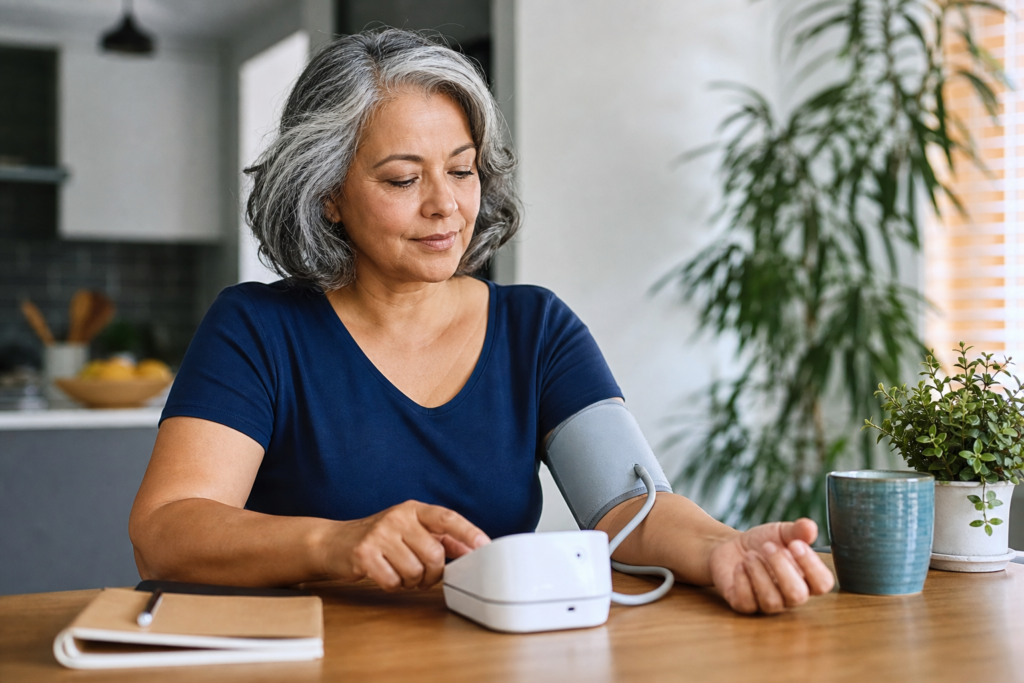
If you need a blood pressure monitor for regular home use, the safest default is an automatic, cuff-style device that measures on the upper arm. The American Heart Association recommends this design because it is generally more reliable and less sensitive to positioning than wrist or finger monitors.
The two features that matter most are clinical validation and correct cuff size. A monitor can have a large screen, Bluetooth, multiple user profiles, and a low price, but those extras do not make its readings trustworthy if the device has not been properly validated or the cuff does not fit.
Home monitoring can help your health care professional understand your blood pressure outside the clinic. It does not replace medical appointments, and you should not change or stop medication based only on readings from a home device.
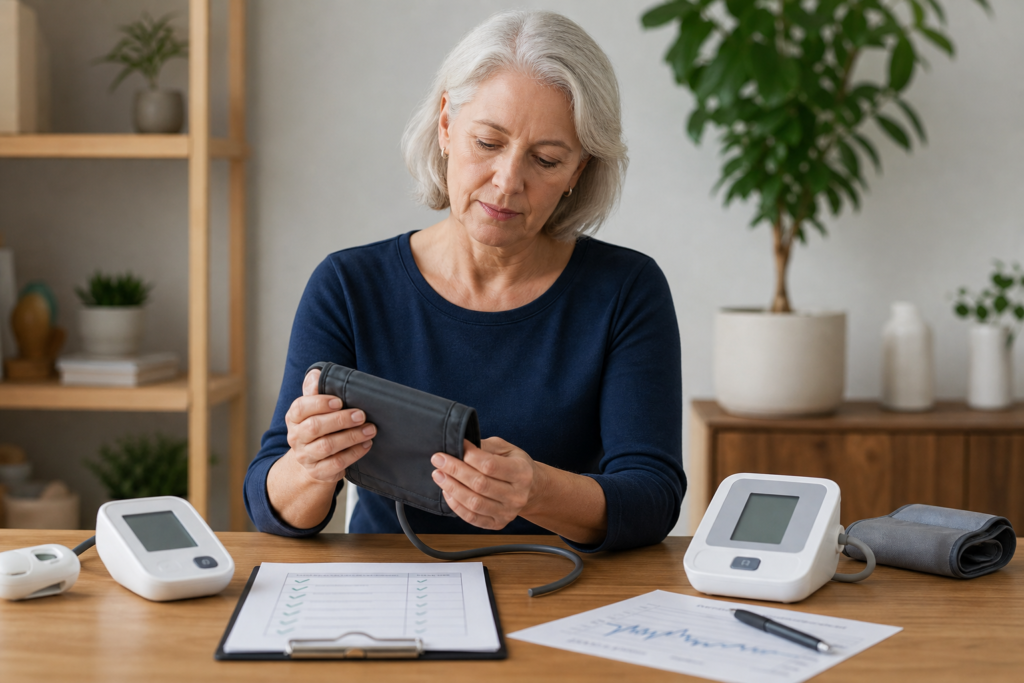
A validated monitor has undergone testing designed to compare its readings with an accepted reference method in an appropriate population. Look for the exact brand and model—not just the manufacturer or product family—on a recognized validation list.
In the United States, the American Medical Association’s Validated Device Listing provides a searchable list of devices that meet its criteria for clinical accuracy. In Canada, Hypertension Canada maintains a separate recommended-device list. A model appearing on one list may not automatically appear on the other, so check the list relevant to where you live and buy.
FDA authorization and clinical validation are related but not identical. FDA authorization generally concerns whether a device may be marketed for its intended use; it does not by itself tell you that the specific model has been independently validated for home blood pressure accuracy.
Do not rely on phrases such as “clinically tested,” “doctor recommended,” or “hospital grade” unless you can verify what testing was performed and whether it applies to the exact model.
Search the official validated blood pressure device list
Cuff fit is one of the easiest details to overlook—and one of the most important. Measure around the middle of your bare upper arm, roughly halfway between your shoulder and elbow. Compare that measurement with the cuff range printed on the product packaging or manufacturer’s specifications.
A cuff that is too small can produce readings that are falsely high. A cuff that is too large may also affect accuracy. If your arm circumference falls outside the included cuff range, look for a model with a compatible small, large, extra-large, or extended-size cuff rather than assuming a “universal” cuff will work.
People with larger arms may have difficulty finding a validated monitor with an appropriate cuff. In that situation, ask a pharmacist or health care professional to help identify a suitable device. Bring the monitor to an appointment after buying it so the technique and readings can be compared with clinical equipment.
Different monitor types can make sense in different situations, but they are not interchangeable.
| Monitor type | Best fit | Main limitation |
|---|---|---|
| Validated upper-arm | Most adults who need routine home readings | Requires the correct cuff size and a suitable place to sit |
| Validated wrist | Some people who cannot use an upper-arm cuff or need a specific clinical alternative | Very sensitive to wrist position and must be held at heart level |
| Connected upper-arm | People who want automatic storage, sharing, or trend tracking | App setup, privacy settings, batteries, and subscriptions may add complexity |
| Low-cost or unverified monitor | Not a good choice for decisions that depend on accurate readings | Marketing claims may not establish clinical accuracy |
| Smartwatch or cuffless feature | General wellness information only when the feature is properly authorized and clinically appropriate | Many products claiming to estimate blood pressure are not authorized or validated for medical decisions |
Wrist monitors are not the usual first choice, but they may be considered when an upper-arm cuff cannot be used because of arm size, medical circumstances, or another specific need. The device must be validated for the intended use, placed correctly over the wrist artery, and held at heart level without bending the wrist.
People who are pregnant, have an irregular heart rhythm, or are buying a monitor for a child should ask a qualified health care professional which device is appropriate. Validation may depend on the population tested, and a monitor validated for typical adults may not be suitable for every person.
Bluetooth and app support can make it easier to store readings and share them with a clinician, but they are convenience features rather than proof of accuracy. A simple monitor with a readable display and memory may be the better choice if you do not want to manage an app.
If you choose a connected model, check whether it works with your phone, whether more than one person can use it, how readings are exported, and whether the app requires an account or ongoing fee. Also review the manufacturer’s privacy information before connecting health data to a cloud service.
Even a validated monitor can produce misleading numbers if the measurement technique is rushed. Before checking your blood pressure:
Take two readings about one minute apart and record both. Follow your clinician’s instructions about when and how often to measure. A series of readings taken under similar conditions is more useful than one isolated number.
Keep the monitor and its instructions. Take the device to a medical appointment so a professional can check your technique and compare its readings with office equipment. The American Heart Association also advises checking the monitor periodically, including when your clinician recommends it.
For most shoppers, the decision is straightforward: choose the validated upper-arm model with the correct cuff size that you can use consistently. Spend more on a connected feature only if it will genuinely help you record and share readings.
A single high reading does not confirm a diagnosis. Sit quietly, repeat the measurement, and write down both results. If readings are repeatedly high, contact your health care professional for advice rather than adjusting medication yourself.
If a reading is higher than 180/120 mm Hg, wait at least one minute and measure again. Contact a health care professional promptly if it remains that high. Call 911 if the reading is that high and you also have symptoms such as chest pain, shortness of breath, back pain, weakness, numbness, vision changes, or difficulty speaking.
A. No. FDA authorization and clinical validation address different questions. Check the exact model on a recognized validation list, and make sure the cuff fits your arm.
A. Usually not. Many smartwatch and smart-ring features that claim to measure or estimate blood pressure have not been authorized or validated for medical decisions. Do not use a wearable reading to diagnose or manage high blood pressure unless your health care professional specifically confirms that the device and method are appropriate.
A. The schedule depends on why you are monitoring and what your health care professional recommends. When collecting readings for assessment, people are often asked to take repeated measurements at consistent times over several days. Follow the plan provided by your clinician rather than checking randomly or changing medication based on one reading.
A. Do not force the cuff or assume the reading is reliable. Measure your arm again and look for a validated device with a compatible cuff range. A pharmacist or health care professional can help identify a suitable option, especially if your arm circumference is outside common sizes.