Welcome to KnowHow Daily!
Practical guides, money-saving tips, tech solutions, government benefits, and useful information for everyday life.
Welcome to KnowHow Daily!
Practical guides, money-saving tips, tech solutions, government benefits, and useful information for everyday life.

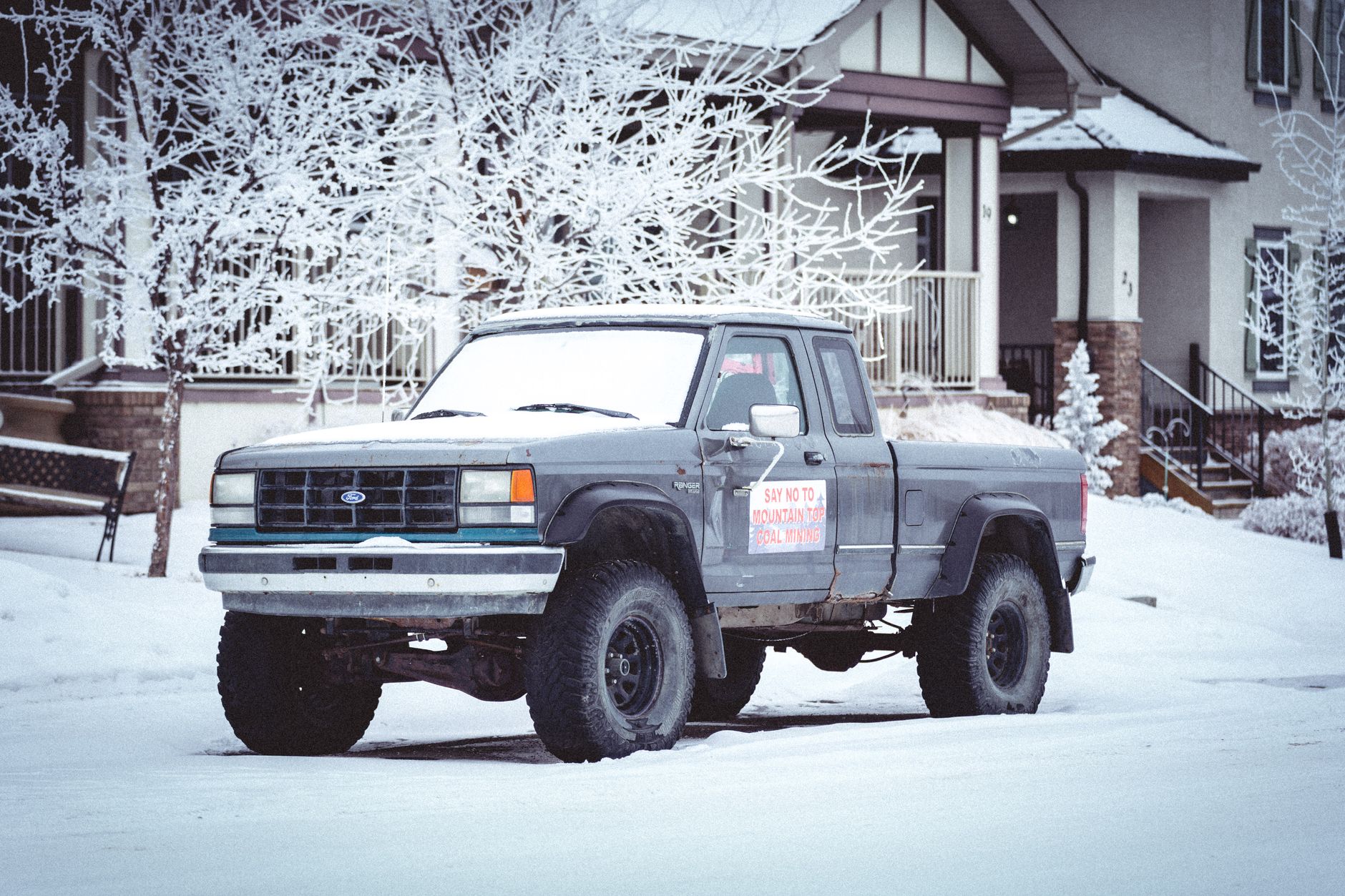
Learn how many amps you need in a portable jump starter for a car, SUV, diesel, or Canadian winter. Compare engine size, cold-weather ratings, and practical buying tips.
For a typical gasoline car with a four- or six-cylinder engine, a portable jump starter rated between 1,000 and 1,500 peak amps is usually the sensible range. Many compact cars and midsize sedans fit comfortably in that category.
For a larger SUV, pickup, V6, or V8, move up to roughly 1,500 to 2,000 peak amps. Diesel engines generally require more starting power than gasoline engines of a similar size, so follow the manufacturer’s diesel rating rather than relying on the gas-engine recommendation.
That is the everyday sizing rule. In a Canadian winter, however, you also need to check the jump starter’s temperature rating, battery type, cable quality, and engine-size limit. A big number printed on the case does not guarantee reliable performance at -25°C.
Cold weather affects both batteries and engines. A vehicle battery produces less available power when cold, while engine oil becomes thicker and the starter motor has to work harder. If the battery is already weak, a cold snap can turn a marginal starting problem into a completely dead vehicle.
The jump starter is also a battery. Lithium-ion units can lose output in very cold conditions, and some have thermal protection that prevents them from operating outside their rated range. That is why a model advertised as suitable for a large engine at room temperature may not be the best choice for a vehicle parked outdoors during an Alberta, Saskatchewan, Manitoba, or northern Ontario cold snap.
Transport Canada recommends keeping winter emergency supplies in the vehicle, including booster cables, blankets, a flashlight, traction material, and extra clothing. A jump starter can make the kit more self-sufficient, but it does not replace basic winter preparation or a properly maintained vehicle battery.
Jump-starter specifications can be confusing because manufacturers use several different ratings. The most visible number is usually peak amps, but peak amps are not measured under one universal industry standard. Two products with the same peak-amp claim may not deliver the same real-world starting performance.
Some manufacturers also publish cranking amps, cold-cranking amps, or start-assist amps. These ratings can be more useful for comparing sustained starting capability, particularly in cold weather, but they still need to be read alongside the manufacturer’s engine-size and temperature ratings.
| Vehicle type | Practical starting range | What to look for |
|---|---|---|
| Compact gasoline car, 4-cylinder | 1,000–1,500 peak amps | 12-volt compatibility and at least a 4.0L gasoline rating |
| Midsize car or crossover, 4- or 6-cylinder | 1,000–1,500 peak amps | At least the engine’s displacement rating, with winter temperature margin |
| Large SUV or pickup, V6 | 1,500–2,000 peak amps | At least a 6.0L gasoline rating; more for severe cold or a weak battery |
| V8 SUV or pickup | 1,500–2,000 peak amps or higher | At least an 8.0L gasoline rating and strong cables |
| Diesel car, SUV, or truck | Often 1,500–3,000 peak amps or more | Use the manufacturer’s diesel-engine rating, not the gasoline rating |
These are practical buying ranges, not a universal testing standard. A well-designed 1,000-amp unit may outperform a poorly specified 2,000-amp product. Treat the engine-size rating, cold-weather rating, and independent safety features as equally important.
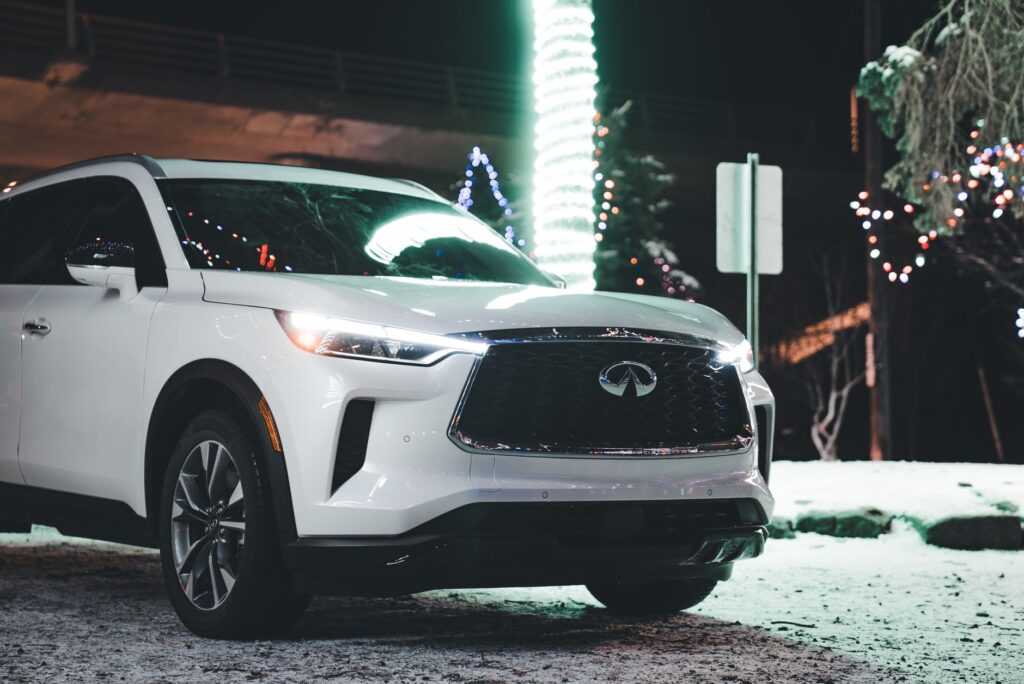
A 1,000-peak-amp jump starter is a reasonable starting point for many compact cars, hatchbacks, sedans, and small crossovers. For example, NOCO’s GB40 is rated for gasoline engines up to 6.0 litres and diesel engines up to 3.0 litres. That does not mean every 1,000-amp model has the same capability, so compare the actual engine-size rating before buying.
If your car is parked outside in a consistently cold region, choosing a 1,500-amp model can provide useful headroom. The extra capacity is especially worthwhile if the battery is several years old, the vehicle sits unused for long periods, or you regularly drive short trips.
For a V6 SUV, full-size pickup, or larger crossover, a 1,500- to 2,000-peak-amp unit is the safer general choice. NOCO’s GB70, for example, is marketed as a 2,000-amp model, while the company’s vehicle-sizing guide places it in the range for gasoline engines up to 8.0 litres and diesel engines up to 6.0 litres.
Do not select a unit solely because it says “for trucks.” Check whether it supports a 12-volt system, whether its cables reach the battery terminals, and whether the engine-size rating applies to gasoline, diesel, or both.
Diesel engines are more demanding because they use glow plugs and typically require greater cranking effort. A compact diesel may need more jump-starting capacity than a larger gasoline engine, particularly in severe cold.
If you drive a diesel SUV or pickup, look for a product with a clearly stated diesel rating. When the manufacturer publishes both start-assist or cranking amps and peak amps, give greater weight to the sustained starting specification rather than choosing by peak amps alone.
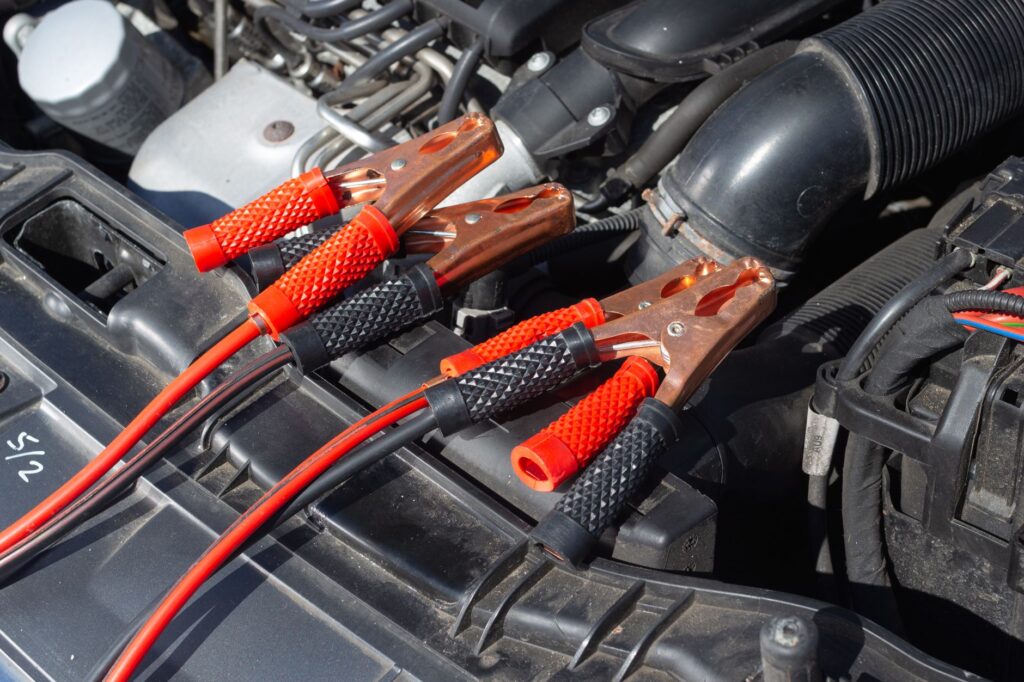
Before buying, look for three separate temperature specifications:
For a vehicle that may face temperatures below -20°C, choose a model whose published operating rating reaches your local worst-case conditions. Some products are rated only to about -20°C, while others are designed for colder operation. Clore Automotive, for example, publishes separate cold-weather guidance for some of its lithium jump starters, including a lower-temperature rating for its JNC345 than for its JNC325.
If the unit is stored in the trunk, remember that it may be as cold as the vehicle. A jump starter kept indoors and carried to the car when needed will generally have more available power than one left frozen for days. Never attempt to charge a lithium jump starter while it is below the charging temperature specified in its manual.
A useful winter jump starter should also have thick, flexible cables, secure clamps, reverse-polarity protection, short-circuit protection, and a clear battery-charge indicator. A built-in light and USB ports are convenient, but they should not influence your choice more than starting performance and cold-weather compatibility.
Check the vehicle battery type as well. Most portable units are intended for 12-volt lead-acid automotive batteries, including conventional flooded, AGM, and sometimes gel batteries. Do not connect a jump starter to a battery chemistry or voltage system that the manufacturer does not support.
Also avoid repeatedly cranking the engine for long periods. Follow the jump starter’s instructions, allow it to rest between attempts, and stop if the cables or unit become excessively hot. A jump starter cannot fix a frozen battery, a seized engine, a failed starter motor, a bad alternator, or a fuel-system problem.
The best choice is not necessarily the most powerful model on the shelf. It is the smallest well-specified unit that covers your engine size, fuel type, battery system, and winter temperatures with a reasonable margin.
A. No. A higher-capacity 12-volt jump starter will not force all of its advertised current into the vehicle. The important checks are correct voltage, compatible battery type, safe clamps, and proper use. A larger unit may simply be heavier and more expensive than necessary for a small car.
A. It may be safe within the manufacturer’s published storage range, but prolonged deep-freezing can reduce available output and shorten battery life. If severe cold is expected, storing the unit indoors and carrying it to the vehicle when needed is the more reliable approach.
A. Usually not for the high-voltage traction battery. A portable jump starter is generally used for the vehicle’s small 12-volt battery, but the connection procedure varies by model. Follow the vehicle manufacturer’s instructions and confirm that the jump starter is approved for the vehicle’s 12-volt system.
A. Do not try to jump-start a visibly frozen or damaged battery. A frozen battery can be unsafe and may require warming, inspection, or replacement. If the vehicle will not start after a properly performed attempt, arrange roadside assistance or have the vehicle inspected.
Featured image: Erik Mclean / Pexels / Pexels License