Welcome to KnowHow Daily!
Practical guides, money-saving tips, tech solutions, government benefits, and useful information for everyday life.
Welcome to KnowHow Daily!
Practical guides, money-saving tips, tech solutions, government benefits, and useful information for everyday life.

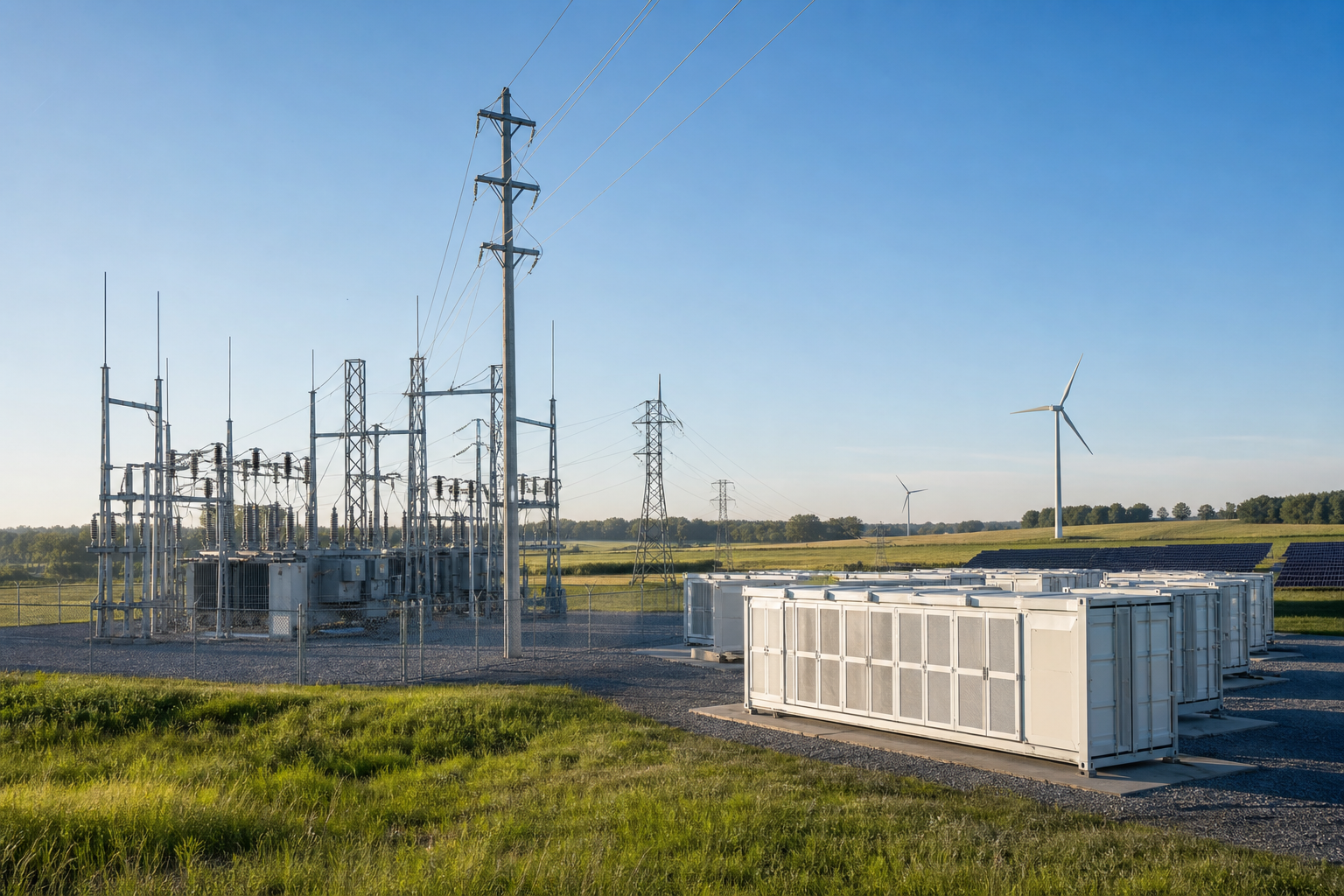
The USDA PART Program’s letter-of-interest deadline is October 9, 2026. See eligibility rules, eligible projects, required documents, funding limits, and submission steps.

The U.S. Department of Agriculture’s Powering Affordable Reliable Technology, or PART, Program is accepting letters of interest for renewable electricity generation and energy storage projects. The current LOI window opened at 11:59 a.m. Eastern on September 8, 2026, and closes at 11:59 a.m. Eastern on October 9, 2026.
That deadline is for the first stage of the process, not the complete loan application. USDA Rural Development’s Rural Utilities Service will review eligible LOIs and may issue an Invitation to Proceed. An applicant that receives an invitation generally has 60 days, or another period agreed with the agency, to submit the full loan application.
LOIs are evaluated on a rolling basis in the order received, so waiting until the final day creates avoidable submission risk. The PART opportunity is available only through the U.S. federal program; Canadian utilities and provincial organizations do not have a separate Canadian application route under this funding notice.
View the official PART Energy Program opportunity on Simpler.Grants.gov
USDA lists several eligible applicant types, including certified electric utilities; distribution, generation, and transmission cooperatives; federally recognized Tribes; Alaska Native Corporations; nonprofit organizations; for-profit organizations; and state or local governments.
Eligibility is not based only on the organization’s legal structure. The proposed project and the service area also have to satisfy the PART Program’s requirements. Electricity generated or stored through the project may serve rural and nonrural customers, but at least 50% of the applicable service area generally must be rural.
Applicants may calculate that rural share using rural population compared with total population or rural electric meters compared with total meters. USDA says exceptions may be considered when an area has high energy burdens, serious economic needs, or substantial additional benefits for rural customers.
If the applicant is not a current or former Rural Utilities Service or Rural Electrification Act borrower, RUS may conduct its own rural determination. That makes the service-area map more than a supporting graphic—it is part of the eligibility case.
The 2026 funding round supports new electricity generation using hydropower, geothermal, or biomass technologies. It can also support new energy storage systems charged by eligible renewable sources, including hydropower, geothermal, biomass, wind, or solar power.
Related infrastructure may qualify when it is needed to deliver the electricity. Examples include transmission and distribution facilities, power lines, microgrids, transformers, interconnection expenses, and other equipment used to export, transmit, or deliver power to an off-taker.
The program also allows certain eligible pre-application and loan-application expenses. However, the project must still satisfy the technical, financial, environmental, contractual, and other requirements in the funding notice.
The program has approximately $410 million in budget authority available through September 30, 2031. The listed award range is $1 million to $100 million, with the maximum including any forgivable portion. A prior Powering Affordable Clean Energy, or PACE, award may also affect the combined maximum.
Project loans generally finance up to 75% of total capitalized project costs, meaning the applicant must provide at least 25% through cash or eligible equity investment. USDA may finance up to 100% for projects benefiting certain Substantially Underserved Trust Areas when the statutory requirements are met.
System loans are available only to currently operating electric utilities and may cover up to 100% of project costs when financially feasible. Both project and system loans may qualify for forgiveness of up to 40% if the awardee and project meet the program’s conditions. Forgiveness is not automatic approval money, and it may depend on completing the project, meeting consumer-benefit requirements, and satisfying other loan terms.
The LOI package asks for more than a short expression of interest. Before starting the online submission, an organization should assemble the following:
The technical description must identify whether the request is for a Project Loan or System Loan and explain the renewable energy or storage equipment, size, location, expected generation or storage, and use of commercially available technology.
Download the official PART Letter of Interest submission format
Download the official PART Letter of Interest submission format
Start with the applicant category, rural service-area test, eligible technology, and proposed loan type. If any of these points is uncertain, contact USDA before filing rather than relying on a general renewable-energy description.
The LOI must be submitted through Grants.gov and includes the Standard Form 424. The submitter must provide the required attachments through the online application. An active UEI and the necessary federal registration information should be ready before the deadline.
Register the organization and obtain or confirm its UEI
Create a Grants.gov applicant account
Apply through the official Grants.gov PART opportunity
USDA requires applicants to use its RUS geospatial mapping tool to draw the service area associated with each PART project. Each proposed project needs its own shapefile, which must then be uploaded with the LOI.
Open the official RUS PART service-area mapping tool
Use the PART LOI format for the narrative attachment, complete the SF-424 in Grants.gov, and itemize the enclosures. Check that the legal name, UEI, financial statements, project figures, shapefiles, and contact email match across the documents.
Submit before 11:59 a.m. Eastern on October 9, 2026. Keep the Grants.gov confirmation, uploaded files, timestamps, and a complete copy of the final package. A technical problem near the cutoff can be difficult to resolve after the submission window closes.
RUS may request clarification or additional information while evaluating the LOI. The agency may then issue an Invitation to Proceed, place the submission in a queue, or determine that the proposal should not continue.
An Invitation to Proceed does not guarantee funding at the amount requested. USDA reserves the ability to meet overall program objectives and may offer less financing than the applicant sought. The full application stage can also require substantially more financial, technical, environmental, contractual, and security documentation.
Applicants should also remember that the project loan and system loan paths have different security and cost-sharing rules. A project loan is secured by project assets and revenue, while a system loan generally requires a perfected senior lien over the operating utility’s assets.
The safest next step is to download the current PART LOI guide and submission format, confirm the project’s rural-service and technology eligibility, and begin the Grants.gov package well before October 9, 2026.
A. No. October 9, 2026, at 11:59 a.m. Eastern is the deadline for the letter of interest. Applicants invited to continue generally receive 60 days, or another period agreed with USDA, to submit the full loan application.
A. No. PART is a U.S. Department of Agriculture program administered through the Rural Utilities Service for eligible U.S. applicants and qualifying U.S. service areas. Canadian utilities do not have a separate application path under this funding notice.
A. For the 2026 funding round, USDA says generation projects must use hydropower, geothermal, or biomass. Storage systems may be charged by eligible renewable sources, including wind or solar, so a storage proposal may involve those sources if it meets the program rules.
A. Project Loans generally finance up to 75% of total capitalized project costs, while System Loans may cover up to 100% when financially feasible. Certain projects benefiting Substantially Underserved Trust Areas may qualify for up to 100% financing under the applicable authority.