Welcome to KnowHow Daily!
Practical guides, money-saving tips, tech solutions, government benefits, and useful information for everyday life.
Welcome to KnowHow Daily!
Practical guides, money-saving tips, tech solutions, government benefits, and useful information for everyday life.

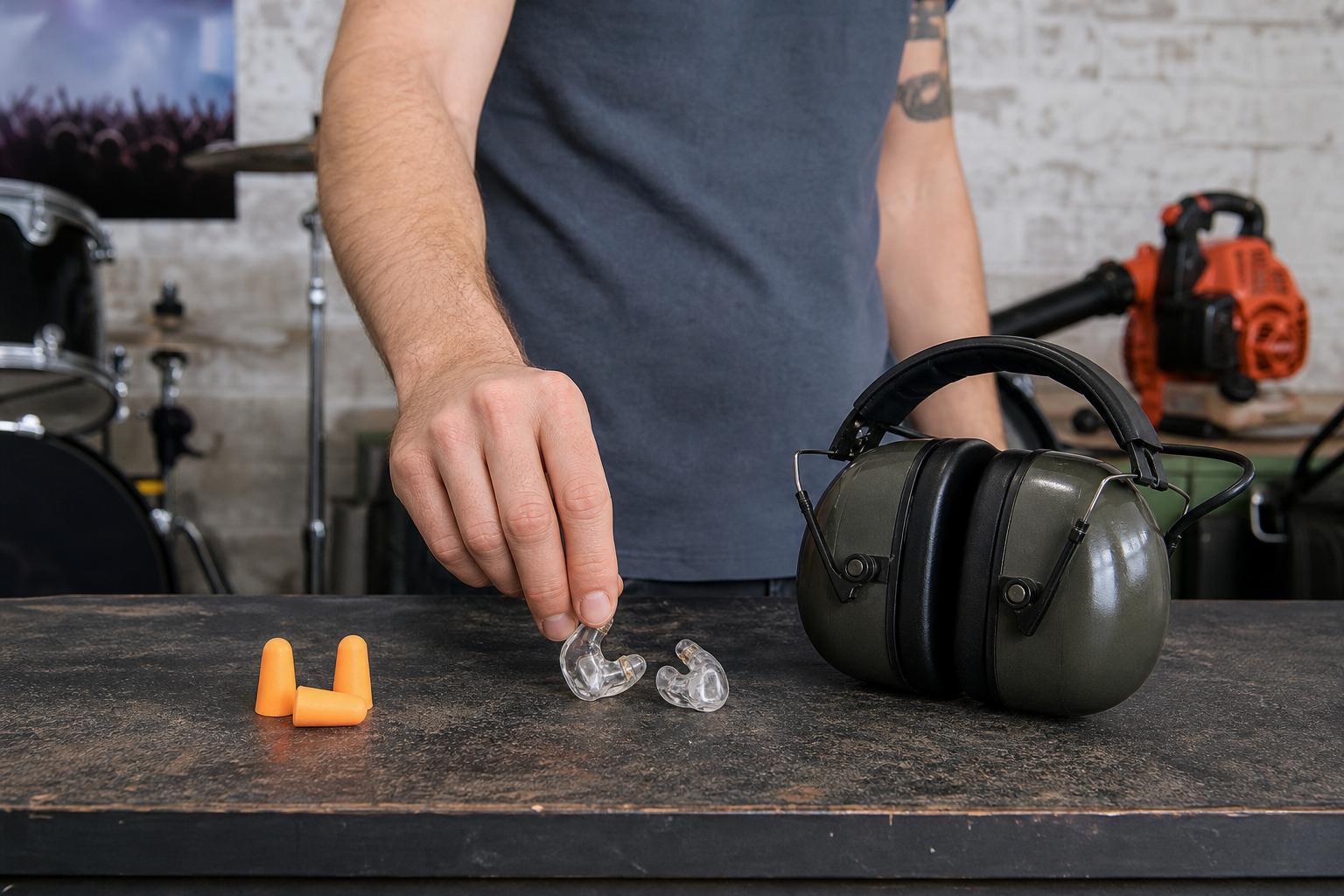
Learn how to choose hearing protection for concerts, yard work, shooting, and noisy jobs based on noise level, fit, comfort, communication, and safety equipment.
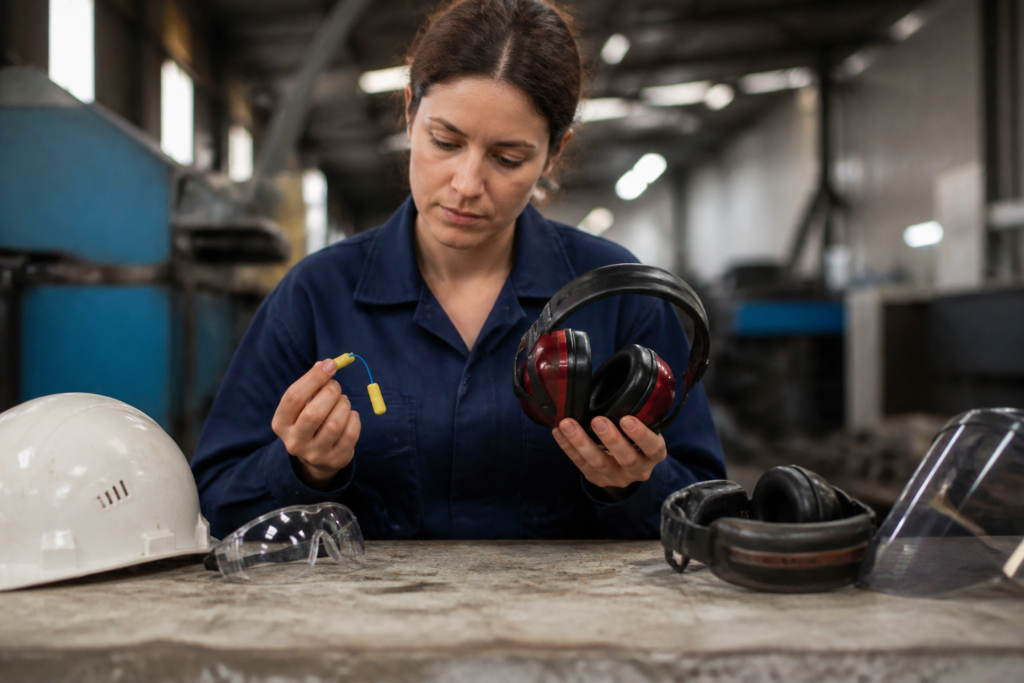
The best hearing protection is the one that reduces the noise enough, fits you properly, works with your other equipment, and is comfortable enough that you will keep wearing it. That might mean foam earplugs for yard work, musician earplugs at a concert, earmuffs for quick intermittent tasks, or both earplugs and earmuffs for shooting and extremely loud work.
Noise-induced hearing loss can be permanent, and loud impulse sounds such as gunshots can cause damage almost immediately. Ringing, buzzing, muffled hearing, or difficulty understanding speech after an activity are warning signs that the exposure was too loud. Hearing protection helps, but moving farther from the source, taking quiet breaks, lowering the volume, and using quieter equipment are also important.
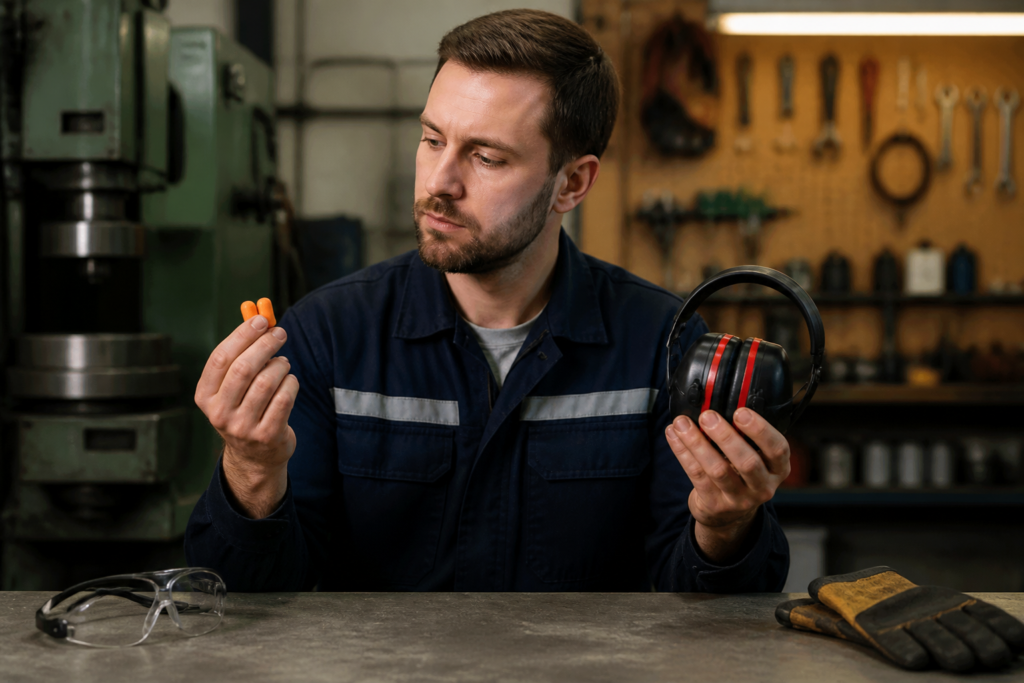
Earplugs sit inside the ear canal. Foam, pre-molded, and custom earplugs are lightweight and usually easier to wear for long periods or in hot weather. They can also work well with helmets, safety glasses, and other headgear. The trade-off is that some types—especially foam plugs—take practice to insert correctly.
Earmuffs cover the entire outer ear and create a seal around it. They are often easier for beginners to fit and remove, which makes them useful when noise starts and stops. However, they can become hot, may interfere with glasses or hardhats, and may not seal well over hair, facial equipment, or in very cold conditions.
Canal caps cover the entrance to the ear canal and are convenient for short, intermittent exposures. They are not always the best choice for continuous high noise because the seal may be less secure than with properly inserted earplugs.
The noise reduction rating, or NRR, is the number printed on many hearing-protection packages in the United States. A higher number generally indicates greater laboratory-tested attenuation when the product is worn correctly. It is not a guarantee of the protection every person will receive.
Fit matters enormously. A high-rated earplug that is inserted poorly may protect less than a lower-rated protector that fits securely. NIOSH recommends individual fit testing in workplaces when possible because it measures how much protection the particular wearer and device achieve together.
Do not choose a product simply because it has the biggest number on the shelf. Too much attenuation can make it harder to hear speech, alarms, vehicles, or equipment. If people remove their protectors to communicate, the protection is no longer helping during those moments.
For concerts, look for musician earplugs or other products described as providing relatively even, “flat” attenuation across frequencies. These are designed to reduce loudness while preserving more of the character of the music than basic foam plugs.
Fit still matters, and no earplug makes standing directly beside a speaker safe. Move away from loudspeakers when possible, take breaks in a quieter area, and protect children who may not recognize when the sound is too loud. Earmuffs can be easier for young children, provided they fit securely and do not create other safety problems.
For lawn mowers, leaf blowers, chainsaws, drills, and other power tools, comfortable foam earplugs or protective earmuffs are practical choices. Earmuffs are convenient if you move between noisy and quiet areas, while earplugs are easier to keep in a pocket and may be more comfortable in hot weather.
If the task is dusty or dirty, remember that foam plugs must be rolled with your fingers before insertion. Pre-molded plugs or earmuffs may be more convenient when clean hands are not available. Follow the equipment manufacturer’s warnings and increase your distance from the noise whenever possible.
Firearms produce very intense impulse noise, so shooting generally calls for more than a casual pair of everyday earbuds or lightly protective plugs. Use hearing protectors specifically labeled for noise reduction, and consider wearing earplugs underneath earmuffs.
Double protection is especially appropriate for very loud impulse sounds and for exposure around or above 100 dBA. You still need to follow the range’s safety rules and select protection that does not interfere with a secure firearm fit, eye protection, communication, or the ability to hear safety commands.
For workplace noise, the employer should assess exposure and provide suitable protectors, training, and—when required—hearing conservation measures. In U.S. general industry, OSHA’s hearing conservation program applies when employee exposure reaches an 8-hour time-weighted average of 85 dBA. Engineering and work-practice controls should be considered before relying on personal protective equipment alone.
Workers should be able to choose among suitable options, because comfort and consistent use affect real-world protection. If you wear a hardhat, respirator, safety glasses, communication headset, or other equipment, check that the hearing protector does not break the seal or create a new hazard.
| Situation | Usually practical | What to check |
|---|---|---|
| Concert or live music | Musician earplugs | Even sound reduction, secure fit, and regular quiet breaks |
| Lawn mower or power tools | Foam earplugs or earmuffs | Comfort, heat, dust, and whether noise starts and stops |
| Shooting | Earplugs plus earmuffs | Impulse-noise protection, communication, and compatibility with eye protection |
| Long noisy work shift | Well-fitted plugs, earmuffs, or communication protection | Exposure measurements, fit testing, comfort, and required workplace rules |
| Intermittent tasks | Earmuffs, canal caps, or pre-molded plugs | How quickly they can be put on and removed without contamination |
Wearing earmuffs over earplugs provides additional protection, but it does not simply add both NRR numbers together. The amount of protection depends on the devices, the noise spectrum, and the fit. In occupational settings, the employer should evaluate whether the combination is adequate for the specific exposure.
For consumers, double protection is a sensible precaution for shooting, very loud machinery, or situations where the noise is intense enough that ordinary single protection may not be enough. It should not replace distance, shorter exposure, quieter equipment, or other controls.
In the United States, NRR labeling and OSHA workplace requirements are central considerations. In Canada, product labeling and workplace rules can vary by province or territory, so workers should also follow the requirements of their employer and local occupational-safety authority. The practical advice is similar in both countries: reduce the noise at the source when possible, choose protection that fits, and wear it consistently.
For a short, moderately noisy task, choose the most comfortable properly fitted protector you will actually wear. For concerts, prioritize balanced sound reduction. For yard work, prioritize comfort and compatibility with your equipment. For shooting or very loud impulse noise, use double protection unless a qualified safety professional has assessed the exposure and determined otherwise. If you regularly experience ringing, muffled hearing, pain, dizziness, or difficulty understanding speech after noise exposure, stop the exposure and arrange a hearing evaluation.
A. No. Active noise cancellation can reduce some background sounds, but headphones or earbuds should not be treated as hearing protection unless they are specifically labeled and rated for that purpose. They also may not protect adequately against sudden impulse sounds.
A. No. A higher NRR can indicate more laboratory-tested attenuation, but poor fit, discomfort, blocked communication, or incompatibility with other equipment can reduce real-world protection. Choose enough protection for the exposure and a design you can wear correctly.
A. Yes. Wearing earmuffs over earplugs is called double hearing protection and is commonly considered for shooting, impulse noise, and very loud work. The protection is not calculated by simply adding both NRR numbers, so workplace exposures should be evaluated by a qualified safety professional.
A. Move away from the noise and give your ears quiet time. If ringing, muffled hearing, pain, dizziness, or difficulty understanding speech persists or keeps recurring, arrange a hearing evaluation with a healthcare professional or hearing specialist.
A. They can be a useful option when they fit properly and are designed to reduce sound evenly. They do not make any concert environment risk-free, so combine them with distance from speakers and breaks in quieter areas.