Welcome to KnowHow Daily!
Practical guides, money-saving tips, tech solutions, government benefits, and useful information for everyday life.
Welcome to KnowHow Daily!
Practical guides, money-saving tips, tech solutions, government benefits, and useful information for everyday life.

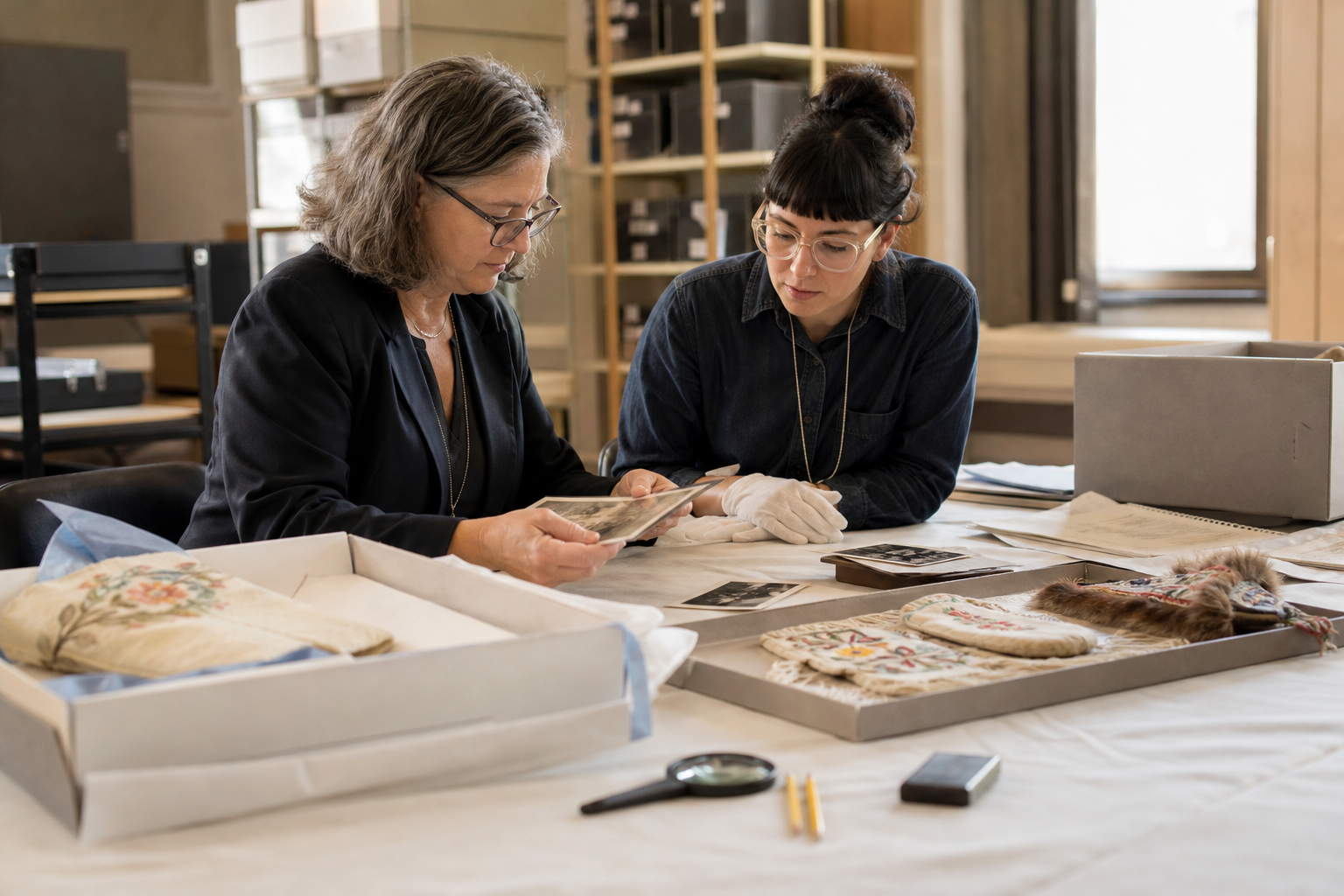
Canadian museums and eligible heritage organizations can apply for the 2026 Museums Assistance Program Collections Management intake by November 2. See eligibility, funding limits, documents, and application steps.
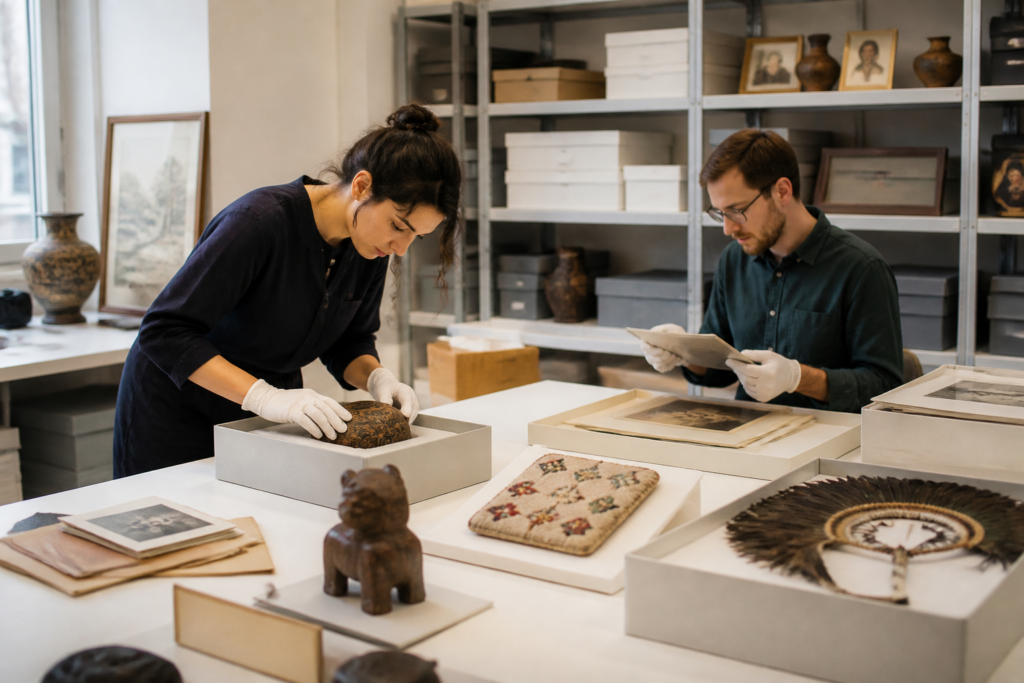
The Collections Management component of the Museums Assistance Program (MAP) helps Canadian heritage organizations improve the knowledge, skills, systems, and professional practices used to manage museum collections.
The 2026 application window is open from September 8, 2026, at 8 a.m. Eastern Time, through November 2, 2026, at 4 p.m. Eastern Time. That specific 2026 deadline is the date applicants should use when planning their submission. The broader program guidelines list November 1 as the usual deadline, but November 2 is the published deadline for this intake.
This isn’t operational funding for general payroll, rent, or routine museum expenses. MAP supports defined projects with clear activities, start and end dates, measurable results, and a project-specific budget.
Typical eligible work can include improving collections storage conditions, implementing or upgrading a collections management system, cataloguing a targeted collection, updating museum policies, developing emergency plans, or creating resources that strengthen collections-management practices across several institutions.
View the official Collections Management application guidelines
Canadian Heritage recognizes three main applicant categories for this component:
Federal departments, Crown corporations, and federal agencies aren’t eligible for MAP funding. Canadian Heritage may consider flexibility around some eligibility requirements in exceptional circumstances, including projects connected with underserved communities. Even then, the applicant must be a nonprofit organization whose primary mandate is to preserve and support heritage.
Eligibility is determined by Canadian Heritage, so an organization that appears to fit the list shouldn’t assume approval. The program is competitive, and eligible applicants aren’t guaranteed funding.
The strongest applications connect a specific collections problem to a practical project plan. Eligible examples include:
A best-practices project must involve and benefit at least three heritage organizations. Routine operations, collection purchases, most conservation or restoration work, capital construction, land or building purchases, and the cost of preparing a funding application aren’t eligible.
Eligible project expenses can include prorated salaries, consultant fees, travel related to project work, software, training, materials, equipment rental, shipping, translation, communications, and certain minor capital assets. MAP funding for minor capital assets cannot exceed 50% of the MAP funding provided. Incremental administration costs are limited to 15% of eligible project expenses.
Funding depends on the type of project:
| Project type | Maximum funding | Maximum duration |
|---|---|---|
| Collections management or Indigenous rematriation/repatriation work | $50,000 per project and per fiscal year | 12 months |
| Best-practices projects benefiting multiple partners | $200,000 per project, up to $100,000 per fiscal year | 24 months |
MAP support normally doesn’t exceed 50% of eligible expenses. In exceptional circumstances, Canadian Heritage may fund up to 85% when the need is clearly demonstrated, such as projects benefiting rural or remote areas or underserved communities.
Government assistance from MAP and other levels of government cannot exceed 100% of total project-related costs. Since program funds are limited, an approved project may receive less than the amount requested.
Start with the required documents rather than waiting until the final week. A complete online application includes the signed application form, the project budget, a comprehensive project timeline, and financial statements for the last two years. Audited statements are preferred when available.
Museums must also provide a three- to five-year strategic or business plan and copies of institutional policies related to key museum or heritage functions. Depending on the project, Canadian Heritage may also expect letters of support or confirmation, agreements, quotes, reports from an earlier project phase, and confirmation of other funding sources.
Your timeline should identify activities, milestones, responsible people, estimated dates, and risk-management measures. The project description should explain what you plan to do, why the work matters, who will carry it out, where it will happen, and how success will be measured.
Make sure the budget matches the timeline and the people described in the application. For example, consultant costs, staff time, software, travel, and materials should appear consistently in the project description, timeline, and budget.
Download the Collections Management budget form Find your Canadian Heritage regional officeCanadian Heritage lists three preparation steps before submission:
The portal submission deadline for this intake is November 2, 2026, at 4 p.m. Eastern Time. The general MAP application guide says portal applications must be submitted no later than 5 p.m. Eastern Time on the deadline date, but the specific Collections Management intake page sets the earlier 4 p.m. deadline. Use the earlier time.
Open the Collections Management application formOnce you click Submit, you can no longer edit the application. The portal should issue an automated acknowledgement to the email address entered in the application.
Open the Canadian Heritage Funding PortalCanadian Heritage says it will acknowledge receipt within two weeks. Applications are first reviewed for eligibility and completeness, then assessed against program objectives, project relevance, community engagement where applicable, feasibility, budget quality, and the applicant organization’s capacity.
Reviewers may also consider whether a project engages diverse communities, builds partnerships, advances reconciliation, or supports sustainability and inclusion, diversity, equity, and access. Previous noncompliance with the conditions of an earlier Canadian Heritage-funded project can affect a new application.
Funding may be provided as a grant, contribution, or, where applicable, a fixed contribution for Indigenous recipients. A contribution normally comes with a funding agreement and reporting requirements. If funding is approved, recipients must publicly acknowledge the Government of Canada’s support in English and French.
The safest next step is to open the current Collections Management guidelines, identify your regional office, and build a document checklist around the November 2, 2026, 4 p.m. Eastern Time deadline.
A. No. This MAP component is for eligible Canadian applicants. U.S. museums and organizations outside Canada aren’t listed among the eligible applicant categories.
A. Routine ongoing operations generally aren’t eligible. Cataloguing may qualify when it is part of a defined project serving a specific purpose rather than regular day-to-day work.
A. The maximum is $50,000 per project, with a maximum duration of 12 months. Funding normally covers no more than 50% of eligible expenses, although exceptional cases may qualify for a higher percentage.
A. Yes, but when an applicant submits more than one project, it must clearly indicate the order of priority. Each project still needs to meet the program’s eligibility, planning, and documentation requirements.