Welcome to KnowHow Daily!
Practical guides, money-saving tips, tech solutions, government benefits, and useful information for everyday life.
Welcome to KnowHow Daily!
Practical guides, money-saving tips, tech solutions, government benefits, and useful information for everyday life.

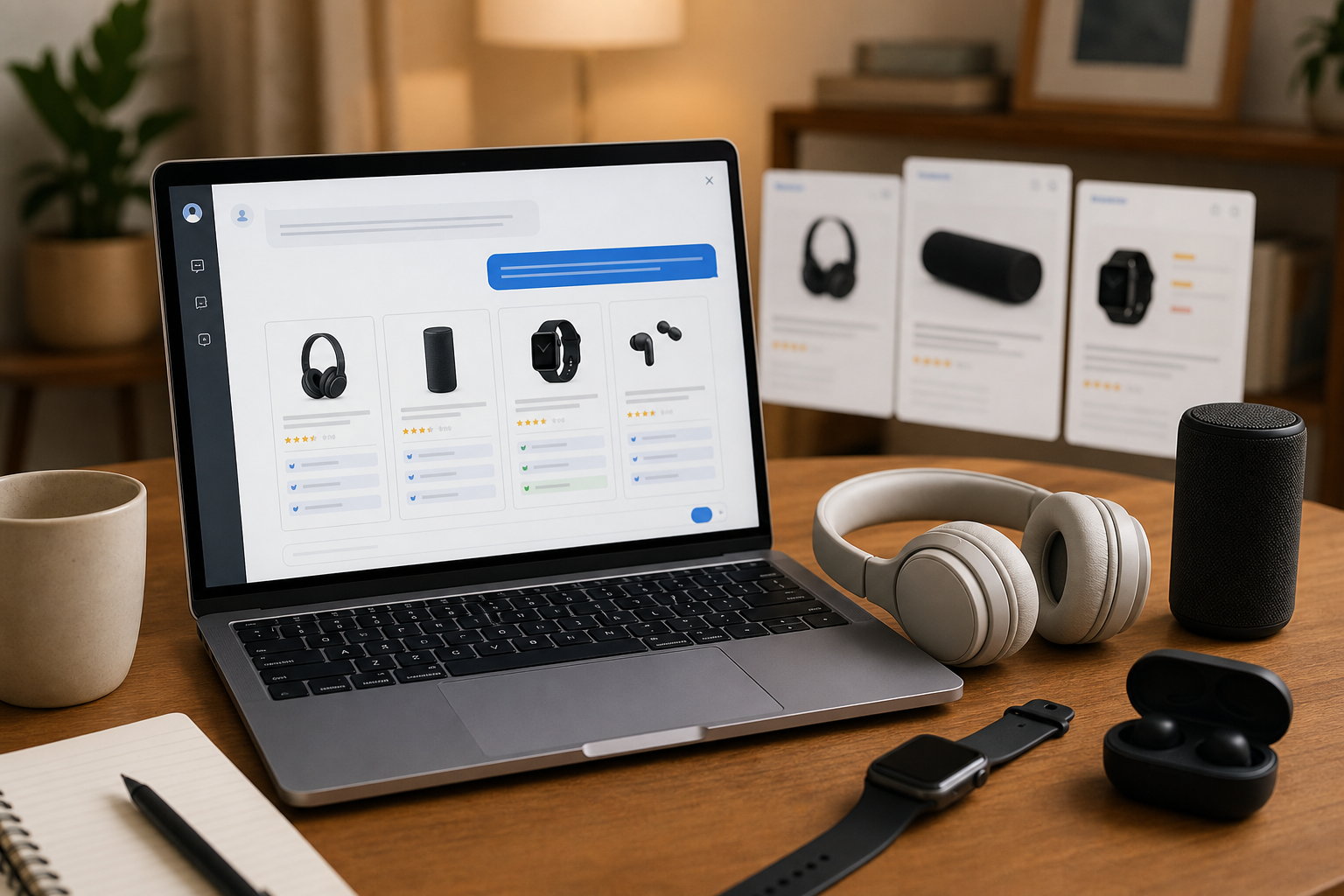
Learn how ChatGPT shopping research compares products, uses retailer data and images, and what to verify before buying in Canada or the United States.
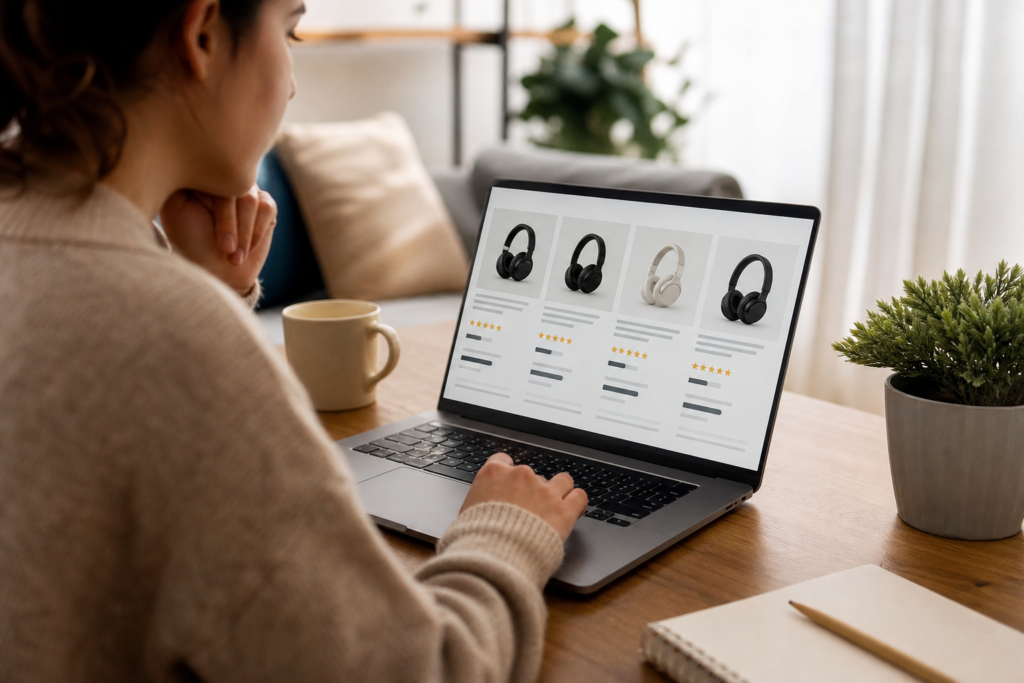
ChatGPT shopping research is an interactive product-discovery feature that helps you compare products and build a personalized buyer’s guide. Instead of asking for one quick recommendation, you can describe your budget, priorities, preferred brands, size requirements, location, and deal-breakers. ChatGPT can then ask follow-up questions, research multiple options, and present the trade-offs in a more organized way.
The key distinction is that shopping research is designed for a complicated purchase decision, not just a basic product lookup. If you only want to know whether a laptop has a certain port or what a vacuum costs, a regular ChatGPT question may be enough. Shopping research is more useful when you’re comparing several products or balancing competing needs such as price, battery life, comfort, durability, and availability.
OpenAI says the feature is available on the web and mobile apps as it rolls out across supported ChatGPT plans. Canada and the United States are both listed among the countries where ChatGPT is supported, but the exact shopping experience can still vary by account, plan, device, and rollout status.
Read how to use shopping research in ChatGPT

You can start by asking a shopping question, selecting products already shown in a conversation, or choosing the Research option when it appears. A useful request might be: “Compare lightweight laptops under $1,200 for photo editing and travel. Prioritize battery life, a bright display, and a US or Canadian warranty.”
ChatGPT may ask follow-up questions about your budget, preferred features, intended use, size, style, or acceptable compromises. Those questions are not just conversational filler. The more specific your constraints are, the easier it is for the system to separate products that technically match your words from products that actually fit your situation.
During the research process, ChatGPT may use merchant product data, publicly available product information, retail sources, reviews, images, and other web content. OpenAI has also expanded product discovery through its Agentic Commerce Protocol, which allows participating merchants and platforms to provide product catalog information and promotions.
Products can appear visually as they are discovered. You may be able to remove an option, ask for similar products, exclude a brand, change the budget, or request a different use case. The final buyer’s guide typically includes a short explanation of what matters, several recommended products, strengths and trade-offs, side-by-side comparisons, and links to retailers.
ChatGPT can save time when you’re trying to narrow a large category. For example, a shopper looking for a compact air purifier might ask for a quiet model suitable for a bedroom, with replacement filters that are easy to find in Canada. The useful answer is not simply the product with the highest advertised airflow. It should also consider noise, room size, filter costs, voltage, warranty coverage, and local availability.
For a stroller, the decision may involve weight, folding size, recline, canopy coverage, wheel design, storage, and whether the model is sold through a retailer with a convenient return policy. ChatGPT can organize those trade-offs more quickly than opening dozens of tabs, but you still need to confirm the details before paying.
Product results are not guaranteed to include every available product. OpenAI says results are selected based on perceived relevance to your request, and product descriptions, labels, and review summaries may be generated or simplified from third-party information. A label such as “budget-friendly” or “most popular” should be treated as a helpful signal, not an independently verified award or guarantee.
The biggest mistake is treating a ChatGPT buyer’s guide as the final checkout page. Prices, inventory, discounts, shipping charges, taxes, and product configurations can change after the research is completed. Some retailers may also block automated access, which can cause ChatGPT to rely on other sources or miss a product page.
Before you buy, open the retailer link and check these details:
This matters even more for products with many configurations. A comparison may combine information from a product family, while the retailer is selling a cheaper version with less storage, fewer accessories, or a different display. Matching the exact listing to the exact specification is your responsibility before checkout.
Shopping research may use information from the conversation and, when enabled, ChatGPT memory to tailor recommendations. That can be convenient if ChatGPT already knows that you prefer compact appliances or need products that fit a small apartment. It also means you should think about what personal information you include.
You do not need to share your full address, household income, medical history, account credentials, or other sensitive details to get a useful comparison. A general location such as “Toronto area” or “US Northeast” is often enough to explain shipping or climate-related needs.
OpenAI says chats are not shared with retailers through shopping research. That does not mean every shopping conversation should contain private information. Review your memory and data controls if you do not want personal preferences carried into future conversations or new chats used to improve models under your account settings.
For privacy-sensitive research, you can ask for a comparison without naming a specific person or disclosing unnecessary details. You can also use the official ChatGPT controls to review memory and data-use preferences.
The feature itself is broadly available in both Canada and the United States, but the shopping information behind a recommendation can differ significantly by country. A product may have separate model numbers, warranties, prices, power requirements, retailer listings, or return policies in each market.
Tell ChatGPT which country you’re shopping in and include a province or state when taxes, shipping, or local availability matter. For example, ask for “prices in Canadian dollars from retailers that ship to Ontario” rather than simply asking for the cheapest option.
Canadian shoppers should check whether the retailer ships to their province, whether the listed price is in Canadian dollars, and whether warranty service is available locally. US shoppers should verify sales tax, delivery restrictions, marketplace seller details, and whether a deal requires a store membership or separate subscription.
Neither country should assume that a product found through a search is automatically authorized, locally supported, or eligible for easy returns. The retailer’s current product page and policy pages remain the final source for those details.
This approach makes ChatGPT a useful research assistant without treating it as an automatic purchasing authority. It can reduce the time spent sorting through options, but the final decision still depends on the retailer’s current information and your own judgment.
A. No. It is a product-research and comparison experience. It may show retailer links and, for some eligible products or merchants, checkout options, but the retailer’s page remains the place to confirm the final purchase terms.
A. No. Product results may not include every retailer or listing, and prices can change quickly. Treat price comparisons as a starting point and check several relevant retailer pages before buying.
A. OpenAI says shopping research chats are not shared with retailers. However, you should still avoid entering unnecessary sensitive information and review your ChatGPT memory and data settings if personalization or data use concerns you.
A. Retail data can change, some retailers may restrict automated access, and product availability differs by country, region, and seller. Tell ChatGPT your country or region, then verify stock and shipping directly on the retailer’s current page.