Welcome to KnowHow Daily!
Practical guides, money-saving tips, tech solutions, government benefits, and useful information for everyday life.
Welcome to KnowHow Daily!
Practical guides, money-saving tips, tech solutions, government benefits, and useful information for everyday life.

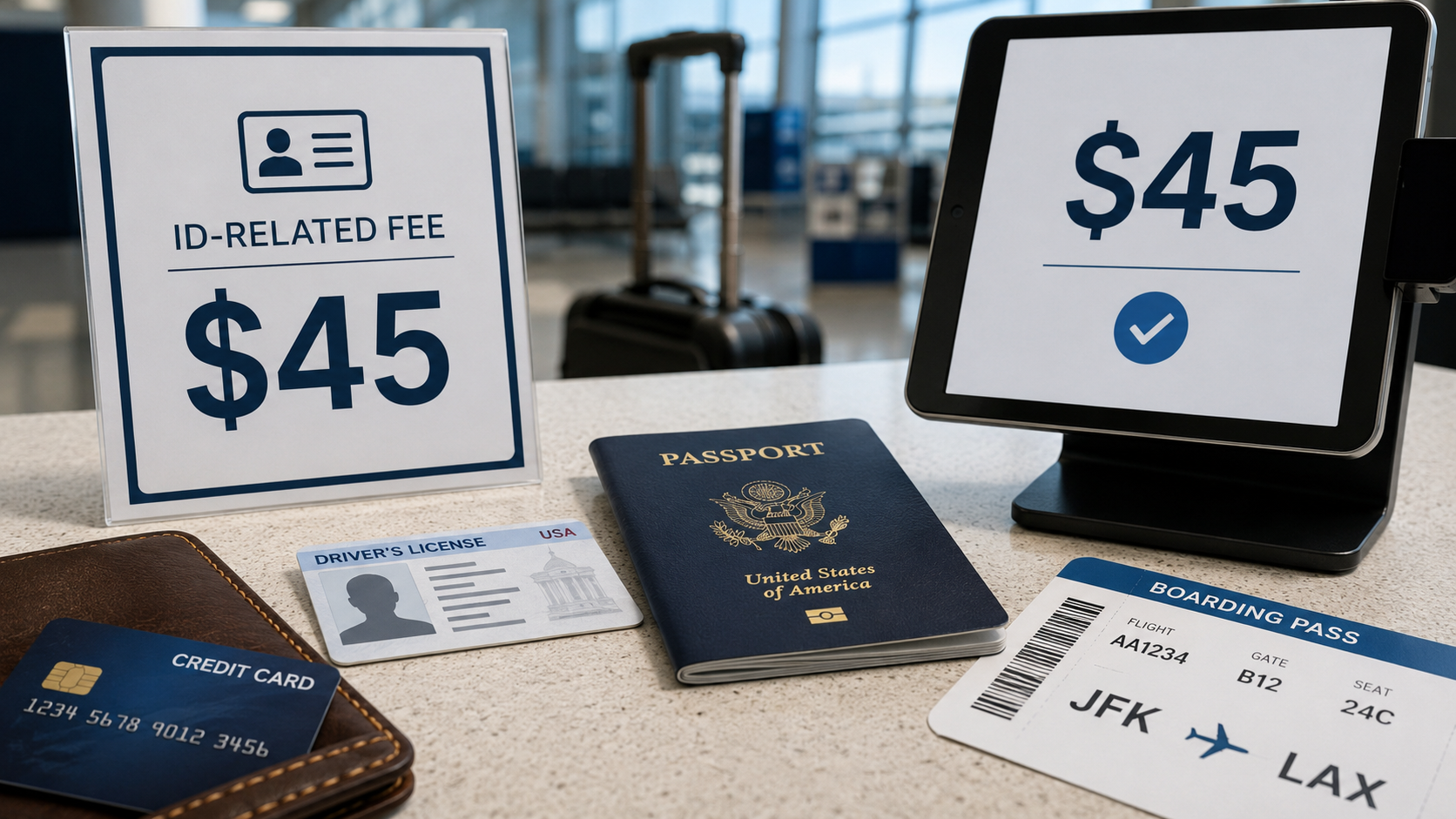
| • U.S. domestic air travelers age 18 and older need a REAL ID-compliant state ID or another TSA-accepted identification document at the security checkpoint. • A U.S. passport or U.S. passport card can be used instead of a REAL ID driver’s license for domestic flights. • Since February 1, 2026, travelers without acceptable ID can pay $45 for TSA ConfirmID to attempt identity verification, but verification is not guaranteed. |
The easiest way to understand the U.S. rule is to separate “REAL ID” from “acceptable ID.” REAL ID enforcement means a standard state driver’s license that is not REAL ID-compliant may no longer be enough by itself at the TSA checkpoint. But travelers do not have to carry a REAL ID driver’s license if they already have another document on TSA’s acceptable-ID list.
For many travelers, the simplest alternative is an unexpired U.S. passport or passport card. TSA also lists other federal and immigration documents. Before a trip, check the current TSA list rather than relying on an old screenshot or social-media post because acceptable-document details can change.
TSA introduced a paid backup process called TSA ConfirmID for people who arrive without an acceptable form of identification. The fee is $45. TSA then attempts to verify the traveler’s identity so the person can proceed through security.
This is not a replacement ID and it is not a guaranteed boarding pass. TSA states that there is no guarantee it will be able to verify your identity. The agency has also described the payment as covering a 10-day travel period, which can matter for a short round trip. Because the process adds another step, travelers using it should expect extra time at the airport.
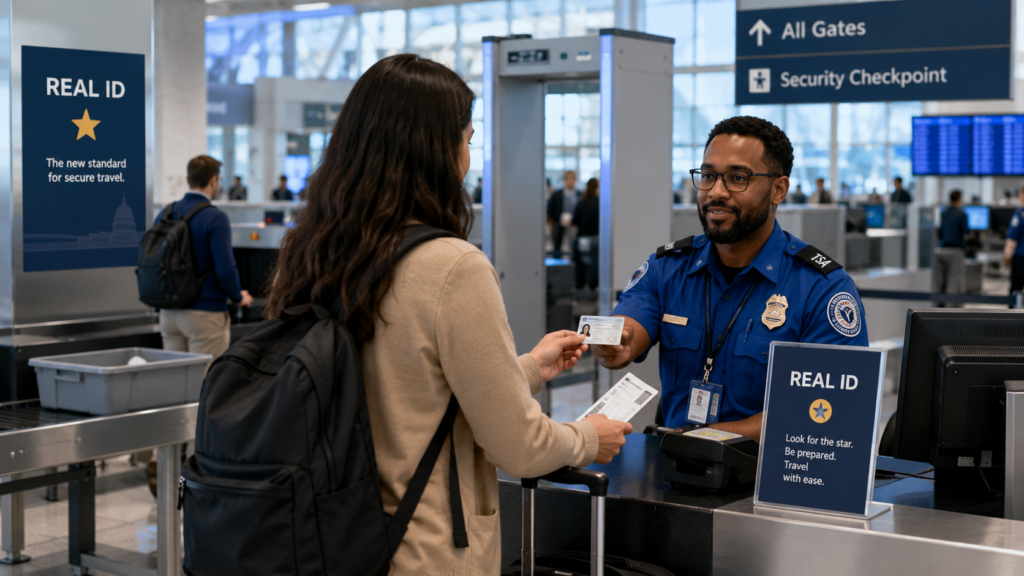
If your driver’s license is not REAL ID-compliant but you have a valid U.S. passport, you generally do not need to pay for TSA ConfirmID just to take a domestic flight. TSA specifically says a passport is an acceptable form of identification and can be used instead of a REAL ID license or state ID.
This is useful for occasional flyers who do not want to rush to a state licensing office before an upcoming trip. The tradeoff is practical: passports are valuable documents, so store and carry them carefully if you use one for domestic travel.
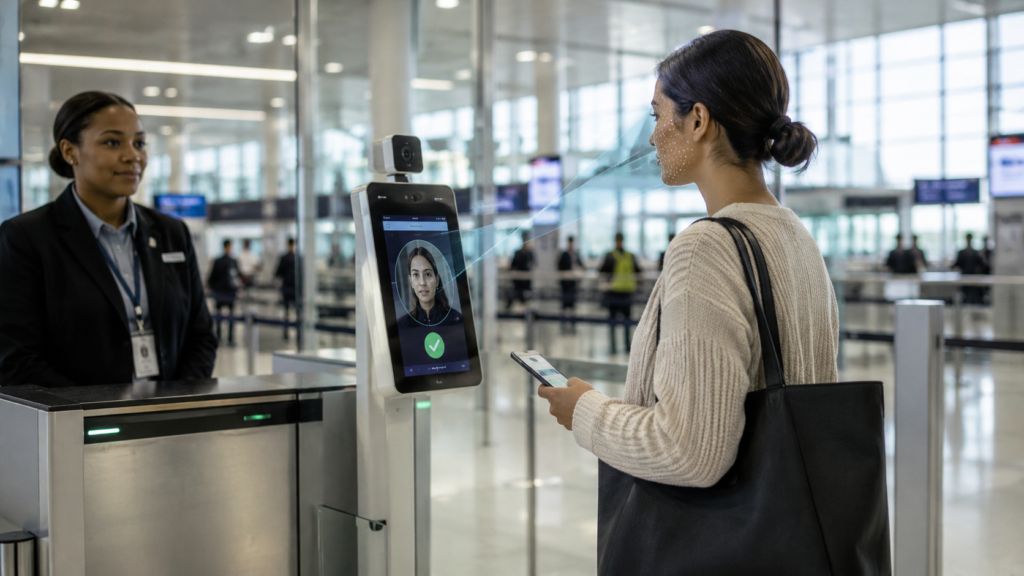
First, look at the physical ID you intend to use. If it is a state license or ID, confirm that it is REAL ID-compliant. If it is not, choose one of TSA’s other accepted documents and put it with your travel items the night before.
If you truly have no acceptable ID, read the TSA ConfirmID instructions before arriving and consider paying through the official process in advance. Do not assume the $45 fee guarantees that you will clear security. Leave extra time for identity verification and any additional screening.
| Official Links • TSA acceptable identification Check the current list of IDs accepted at airport security checkpoints. https://www.tsa.gov/travel/security-screening/identification • TSA ConfirmID See the official $45 identity-verification option and payment information. https://www.tsa.gov/tsaconfirm-id • TSA REAL ID information Confirm what REAL ID means for U.S. domestic air travel. https://www.tsa.gov/realid |
Q. Do I need a REAL ID if I have a U.S. passport?
A. No. TSA says a U.S. passport is an acceptable form of identification for domestic air travel and may be used instead of a REAL ID driver’s license or state ID.
Q. Is TSA ConfirmID a new ID card?
A. No. It is a paid identity-verification process for travelers who do not present an acceptable ID at the checkpoint.
Q. Does paying $45 guarantee that TSA will let me through?
A. No. TSA says it will attempt to verify your identity, but verification is not guaranteed.