Welcome to KnowHow Daily!
Practical guides, money-saving tips, tech solutions, government benefits, and useful information for everyday life.
Welcome to KnowHow Daily!
Practical guides, money-saving tips, tech solutions, government benefits, and useful information for everyday life.

The FDA approved Tylenol with Naproxen on July 24, 2026. Learn how it compares with acetaminophen, naproxen, and ibuprofen—and what warnings matter.

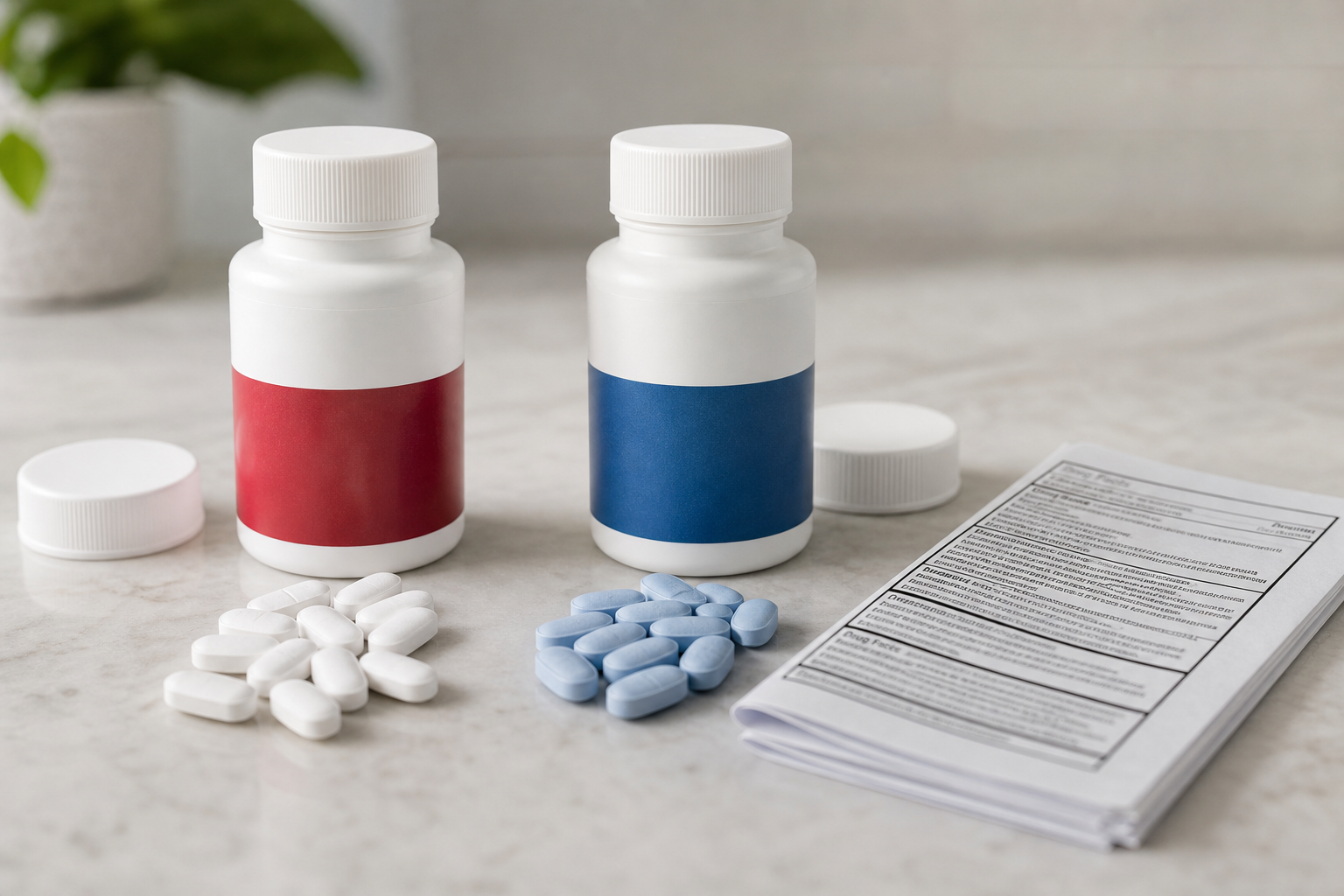
On July 24, 2026, the FDA approved Tylenol with Naproxen, a nonprescription tablet containing acetaminophen 325 mg and naproxen sodium 110 mg. It is the first U.S. fixed-dose OTC combination to pair acetaminophen with naproxen sodium in one tablet, and its label describes up to 12 hours of relief for minor aches and pains.
The approval gives adults and children 12 and older another option for temporary relief of headaches, backache, muscular aches, toothache, menstrual cramps, and minor arthritis pain. It does not mean the product is right for every type of pain or every person. The two ingredients still carry their own safety warnings, so the combination requires more label awareness—not less.
The FDA approval is for the United States. It does not automatically authorize the same product for sale in Canada, where medicines must receive separate Health Canada authorization.

Acetaminophen is a pain reliever and fever reducer. It can be useful when inflammation is not the main issue, and it generally does not carry the same stomach, kidney, blood-pressure, and cardiovascular warnings associated with NSAIDs.
Naproxen sodium is an NSAID, or nonsteroidal anti-inflammatory drug. It can help with pain involving inflammation, but NSAIDs also have important risks, including stomach bleeding, kidney problems, and increased risk of heart attack or stroke, particularly with higher-than-directed doses, longer use, or certain medical conditions.
Combining the ingredients may offer broader pain relief than relying on either one alone for some minor aches. The FDA says its approval was supported by evidence showing that both ingredients contributed to the combination’s pain-relief effect. That does not establish that it will work better for every individual or every pain condition.
The approved labeling says adults and children 12 years and older should take two tablets every 12 hours while symptoms last. Children under 12 should be directed to ask a doctor. Use the product only as the label directs, and do not take more often or for longer than recommended.
Each labeled dose contains 650 mg of acetaminophen and 220 mg of naproxen sodium. That makes it especially important to count acetaminophen and NSAID ingredients from all other medicines taken during the same period.
| Option | Main ingredient | What to consider |
|---|---|---|
| Tylenol with Naproxen | Acetaminophen plus naproxen sodium | Convenient combination, but it carries both ingredient-specific warning sets. |
| Acetaminophen alone | Acetaminophen | May be preferable when an NSAID is not appropriate, but excessive use can seriously harm the liver. |
| Naproxen alone | Naproxen sodium | Provides an anti-inflammatory NSAID option without adding acetaminophen. |
| Ibuprofen | Ibuprofen | Another NSAID; it should not be casually combined with naproxen. |
Do not take Tylenol with Naproxen with another medicine containing acetaminophen. Acetaminophen may appear in products marketed for pain, fever, colds, flu, allergies, sleep, or menstrual symptoms. Taking more than directed, combining multiple acetaminophen products, or using it with substantial regular alcohol consumption can increase the risk of liver damage.
Check the “Active ingredients” section rather than relying only on brand names. Products with names that sound different can still contain acetaminophen. If you think you have taken too much acetaminophen, seek medical advice promptly—even if you feel well, because serious liver injury may not cause immediate symptoms.
Because Tylenol with Naproxen already contains naproxen sodium, do not add ibuprofen, aspirin used as a pain reliever, or another naproxen product unless a doctor or pharmacist specifically tells you to do so. Combining NSAIDs can increase the chance of stomach bleeding, kidney problems, and other complications without necessarily providing better relief.
Ask a health professional before using it if you have a history of stomach ulcers or bleeding, kidney disease, heart disease, heart failure, high blood pressure, asthma linked to pain relievers, or a recent heart attack. Also ask before use if you take blood thinners, steroids, aspirin for heart protection, certain antidepressants, or other regular medicines.
The FDA labeling says people who are pregnant or breastfeeding should ask a health professional before using Tylenol with Naproxen. The naproxen warning is particularly important: the Drug Facts label says not to use naproxen sodium at 20 weeks of pregnancy or later unless a doctor definitely directs it.
Canada’s guidance is different for acetaminophen alone. Health Canada identifies acetaminophen as a recommended treatment for pain and fever during pregnancy when used as directed, while advising people to use the lowest effective dose for the shortest necessary duration and to speak with a health professional. That guidance does not make a product containing naproxen automatically appropriate during pregnancy.
For a short-lived minor ache, the practical choice depends on the type of pain, your health history, and what other medicines you already use.
Whichever option you choose, read the Drug Facts label each time you buy a new product. Formulations and strengths can vary, and a familiar brand name does not guarantee that two products contain the same active ingredients.
Read the FDA-approved Drug Facts labelFor U.S. readers, the key change is the FDA-approved OTC combination itself. The approval date is confirmed, but approval alone does not answer every question about store-by-store availability, pricing, or whether a particular package is currently stocked.
For Canadian readers, do not assume the U.S. approval applies to products sold in Canada. Health Canada’s database includes other acetaminophen combination products, including acetaminophen-and-ibuprofen products, but Canadian authorization and labeling must be checked separately. A pharmacist can help identify an authorized Canadian option with the ingredients and warnings that fit your situation.
Check Health Canada’s drug product databaseIf pain lasts longer than the package directs, keeps returning, follows an injury, or comes with chest pain, trouble breathing, black or bloody stools, vomiting blood, severe abdominal pain, weakness, confusion, or signs of an allergic reaction, stop self-treating and seek medical care. Severe symptoms require urgent or emergency help.
A. It combines the same two types of active ingredients—acetaminophen and naproxen sodium—in one FDA-approved tablet. However, the approved product has a specific strength and label directions. Do not recreate the combination with separate products unless a doctor or pharmacist tells you how to do so.
A. Do not combine it with ibuprofen unless a health professional specifically directs you to. Tylenol with Naproxen already contains naproxen, and ibuprofen is also an NSAID. Using two NSAIDs can raise the risk of stomach, kidney, and cardiovascular complications.
A. No. The FDA approval applies to the United States. Canada requires separate Health Canada authorization, and U.S. approval does not establish Canadian sale, labeling, or availability.
A. Ask a doctor or pharmacist before use. The product contains naproxen, and its label says not to use naproxen sodium at 20 weeks of pregnancy or later unless definitely directed by a doctor. Acetaminophen-only guidance is not the same as guidance for this combination product.
A. Contact a poison center, pharmacist, doctor, or emergency service promptly, especially if you may have exceeded the acetaminophen amount or taken multiple NSAIDs. Do not wait for symptoms, because serious acetaminophen-related liver injury may initially be difficult to notice. Get Poison Control help online