Welcome to KnowHow Daily!
Practical guides, money-saving tips, tech solutions, government benefits, and useful information for everyday life.
Welcome to KnowHow Daily!
Practical guides, money-saving tips, tech solutions, government benefits, and useful information for everyday life.

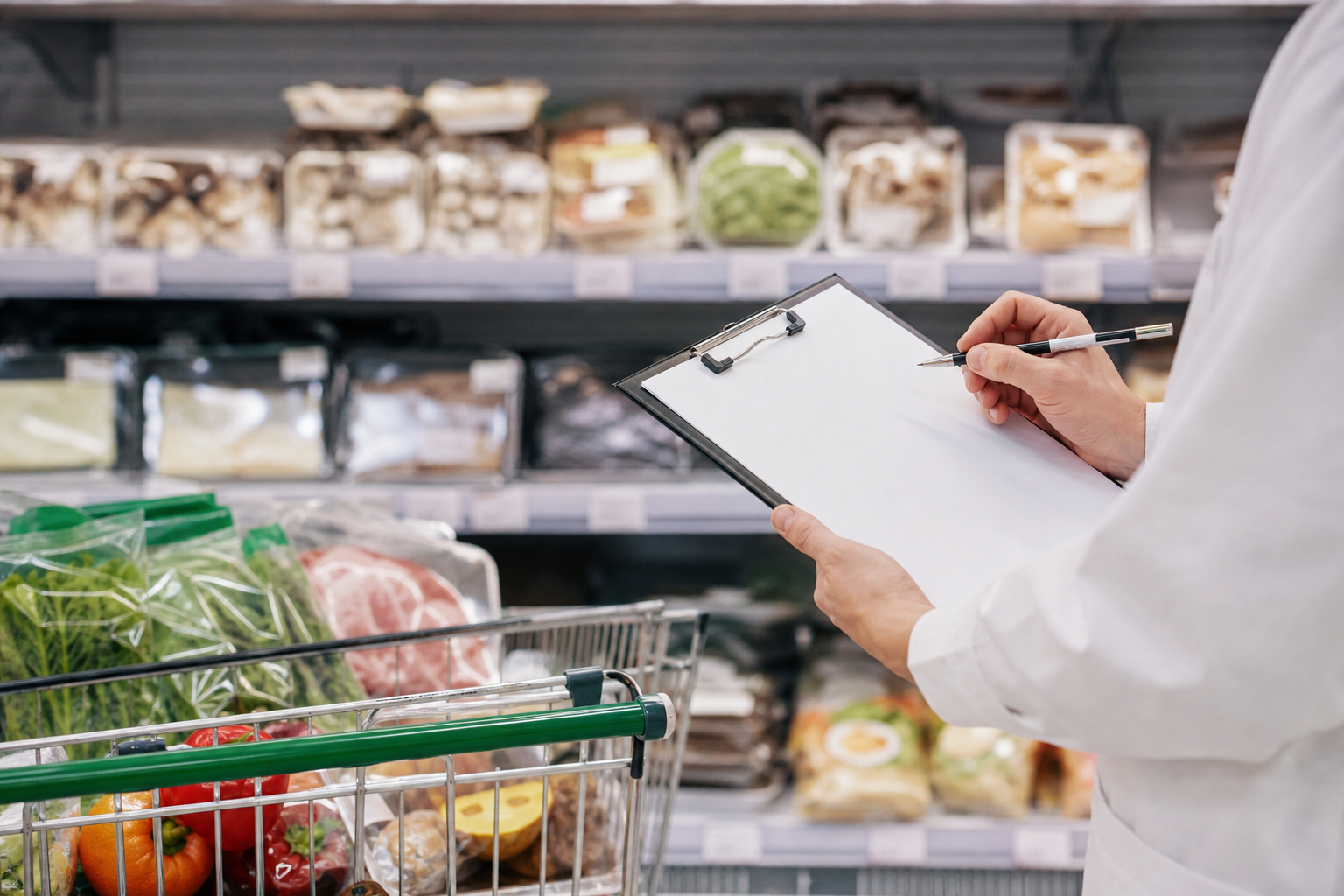
The FDA has opened new E. coli and Listeria investigations. Here are the confirmed case counts, what traceback means, and what consumers should do next.

The U.S. Food and Drug Administration added two new active foodborne illness investigations to its public investigation table on September 23, 2026. One involves E. coli O157:H7, reference number 1421, and the other involves Listeria monocytogenes, reference number 1417.
As of the FDA’s posted update, the E. coli investigation includes 25 illnesses. The Listeria investigation includes 40 illnesses. Both investigations are listed as active and ongoing, with FDA traceback work underway.
The most important detail for shoppers is what the FDA has not identified yet: no specific food, brand, store, restaurant, supplier, or product category is linked to either investigation in the published table. The table also does not show a recall initiated for either investigation.
That means these are active public-health investigations, not product recalls. A new investigation can be serious without giving consumers a specific item to discard at this stage.
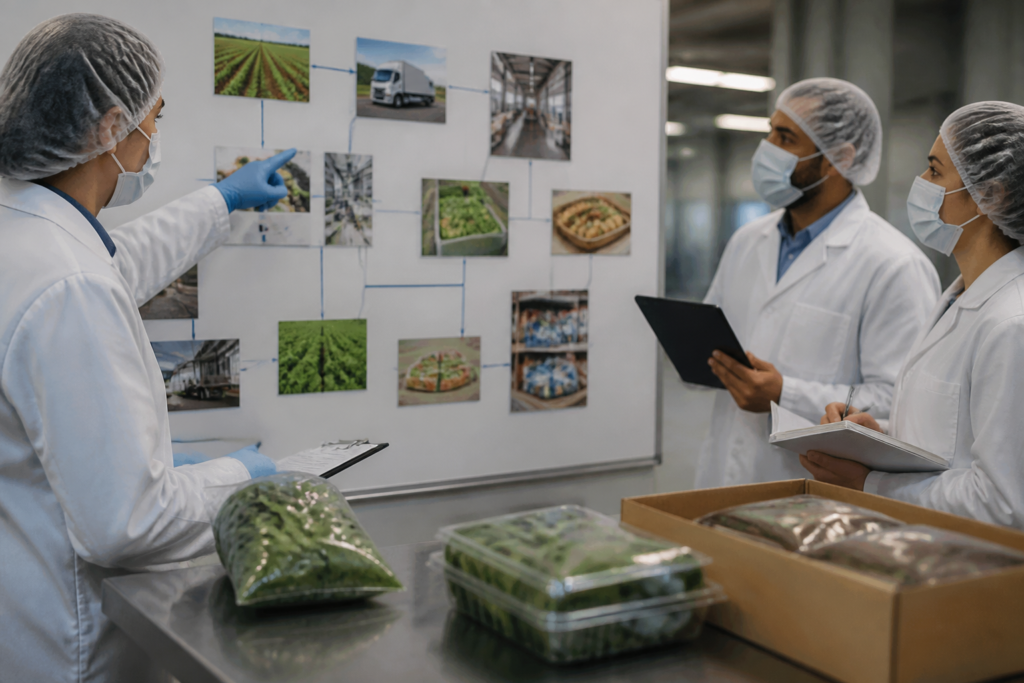
Traceback is the process of working backward through the food supply chain to look for common sources among people who became ill. Investigators may review what patients ate, where they bought or consumed food, restaurant menus, supplier records, distribution routes, production records, laboratory results, and samples from food or food-contact environments.
The goal is to determine whether different illnesses connect to the same food or supply chain. Investigators may also use laboratory methods, including genetic comparisons of bacteria, to assess whether samples from patients or food are related.
Traceback can eventually lead to a public health advisory or recall, but it does not automatically mean that a particular food is contaminated. A food can appear in patient interviews simply because many people eat it. Investigators have to compare epidemiological evidence, laboratory findings, and supply-chain information before naming a product publicly.
The FDA says it generally will not publicly identify a specific product until there is enough evidence to implicate it as a cause of illnesses or adverse events. Naming a food too early can send consumers toward the wrong product, harm businesses that are not connected to the illnesses, and make it harder to distinguish confirmed information from speculation.
For now, the responsible reading of the FDA table is straightforward: illnesses are being investigated, traceback has started, and the source remains unknown.
There is no FDA instruction to stop eating a particular food or throw away a particular product based only on these two investigation entries. Consumers should continue following ordinary food-safety practices, including washing hands, preventing cross-contamination, cooking foods properly, and keeping refrigerated foods cold.
Do not rely on social-media posts, informal outbreak lists, or guesses based on recent grocery purchases. Until investigators identify a product and publish advice, there is no reliable way for an individual shopper to determine whether a food in the refrigerator is connected to either investigation.
If you become sick, write down what you ate and where you ate it before symptoms began. Contact a healthcare provider when symptoms are severe, persistent, or concerning. For E. coli infections, bloody diarrhea, severe stomach cramps, dehydration, or signs of hemolytic uremic syndrome require prompt medical attention. For Listeria, people who are pregnant, age 65 or older, or immunocompromised should take fever and flu-like symptoms especially seriously.
The two new investigations are U.S. FDA entries, so they do not by themselves establish that a product sold in Canada is affected. Canadian shoppers should not assume that a U.S. investigation applies to every similar food or brand available in Canada.
If a connection to a product distributed in Canada is later identified, the Canadian Food Inspection Agency may issue a Canadian recall warning or other food-safety notice. Canadian consumers should compare the exact brand, product name, package size, lot code, and UPC listed in any recall notice rather than relying on a broad food category.
For cross-border shoppers, it is sensible to monitor both countries’ official notices. A product sold in the United States may have different packaging, lot codes, distribution, or availability in Canada.
The next meaningful update could provide a product category, a specific product, a recall, inspection or sampling information, a revised case count, or a public health advisory. The FDA’s investigation table is updated as information becomes available, and case counts can change during an investigation.
A public health advisory is the point at which consumers may receive specific instructions, such as avoiding, discarding, or cleaning up after a named product. Until that happens, the absence of a named food is itself an important status update.
View the FDA foodborne illness investigation tableU.S. shoppers can also review FDA food recalls and safety alerts for product-specific notices. If a notice is posted, follow the exact product description and lot information. Do not assume that every item with the same brand name is affected.
Check FDA food recalls and safety alertsCanadian shoppers can use the Canadian Food Inspection Agency’s food recall information when checking products sold or distributed in Canada. If you find a recalled product, do not eat, serve, sell, or distribute it. Follow the notice’s instructions for disposal or return.
Check Canadian food recalls and alerts| Investigation | Posted | Reported illnesses | Product identified? | Traceback | Recall shown? |
|---|---|---|---|---|---|
| E. coli O157:H7, FDA reference 1421 | September 23, 2026 | 25 | No | Initiated | No |
| Listeria monocytogenes, FDA reference 1417 | September 23, 2026 | 40 | No | Initiated | No |
These figures describe the investigations as listed by the FDA on the current page. They are not a prediction of how many people will ultimately be affected, and they do not identify where the illnesses occurred or what food caused them.
The practical next step is to stay with confirmed information: monitor official updates, keep records if you become ill, and act on a recall only when an agency or manufacturer identifies the product and provides instructions.
A. No. The FDA’s September 23, 2026 investigation table lists the product source as not yet identified for both investigations. No specific brand, food, restaurant, or supplier has been publicly linked in those entries.
A. The FDA table does not show a recall initiated for either the E. coli investigation numbered 1421 or the Listeria investigation numbered 1417. If a recall is announced later, follow the exact product name, package details, lot codes, and dates in the official notice.
A. Not based solely on the current investigation entries. The FDA has not named a product or told consumers to discard a specific food. Avoid guessing at a source, and act on product-specific instructions if an official advisory or recall is later issued.
A. Contact a healthcare provider when symptoms are severe, persistent, or concerning, and tell them what you ate before becoming ill. Seek prompt care for bloody diarrhea, severe dehydration, signs of kidney complications, or fever and flu-like symptoms if you are pregnant, older, or immunocompromised.
A. No. The investigations are listed by the U.S. FDA and do not automatically mean that similar products in Canada are affected. Canadian shoppers should check Canadian Food Inspection Agency notices and compare exact product and lot details if a Canadian recall is announced.








FDA Infant Formula Standards Proposal: What Parents Need to Know About Nutrient Changes and the Comment Deadline