Welcome to KnowHow Daily!
Practical guides, money-saving tips, tech solutions, government benefits, and useful information for everyday life.
Welcome to KnowHow Daily!
Practical guides, money-saving tips, tech solutions, government benefits, and useful information for everyday life.

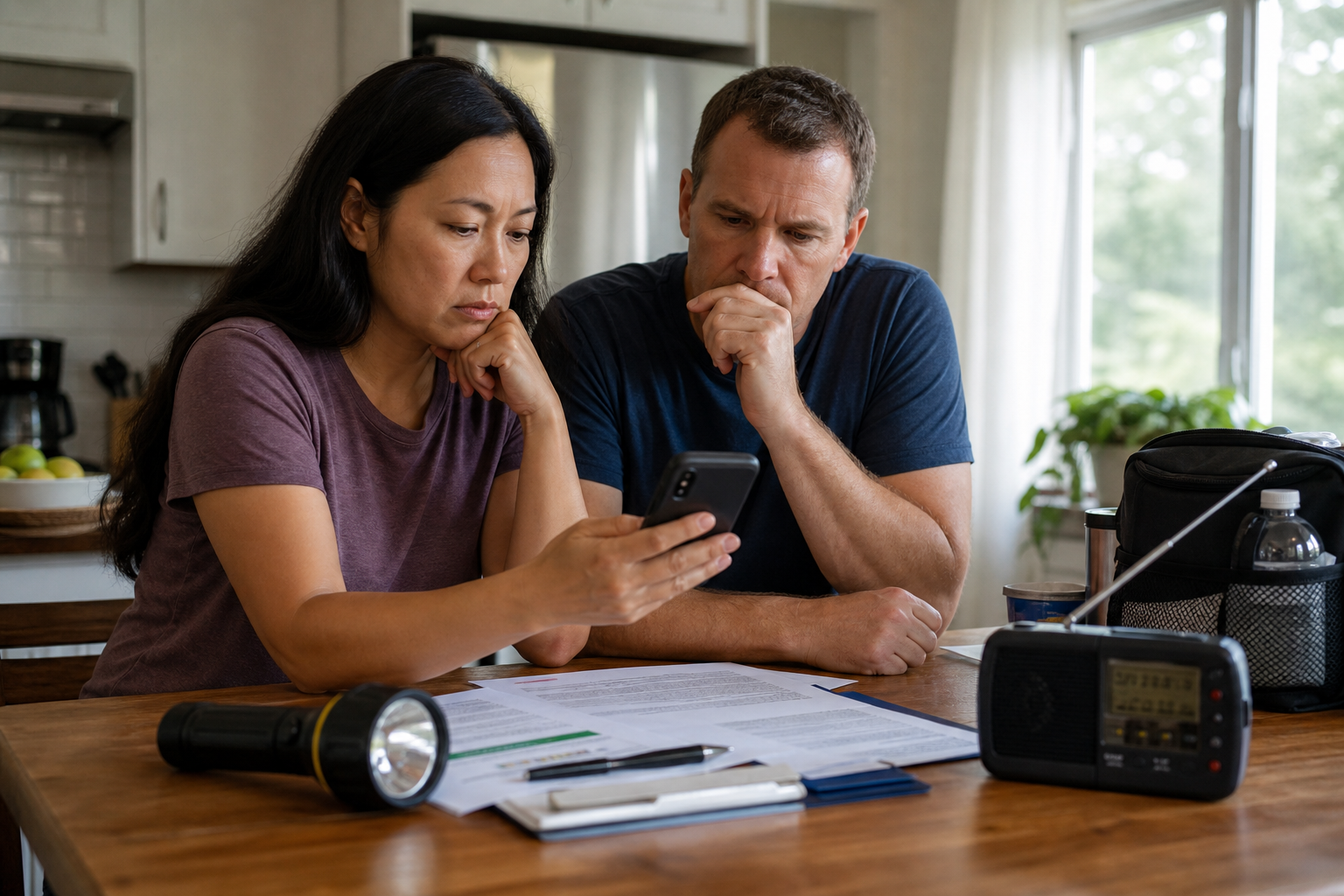
Learn how to verify FEMA-style messages, disaster donation requests, and emergency payment demands before sharing personal information or sending money.
A disaster relief scam is an attempt to use a storm, wildfire, flood, or other emergency to steal money, personal information, or access to a government benefit. The person contacting you may claim to represent FEMA, a charity, an insurer, a contractor, or a local emergency office.
The most useful distinction is simple: a legitimate organization may need information to process a real request, but it should not demand secrecy, rush you into an unusual payment method, or charge you for disaster assistance that is normally free to apply for.
The Federal Trade Commission issued a National Preparedness Month alert on September 9, 2026, warning that emergencies create opportunities for scammers to impersonate government officials, charities, and contractors. Treat an unexpected message as unverified until you check it through a separate, trusted channel.

Before clicking a link, replying, or providing information, pause and work through these steps:
For federal disaster assistance, start with the official DisasterAssistance.gov service rather than a link in a text or social media post.
FEMA may contact people who have already applied for assistance, including to discuss disaster-related damage or request additional information. That does not mean every person claiming to be a FEMA worker is genuine.
FEMA personnel and contractors carry official identification. If someone visits your home, ask to see photo identification and confirm the visit through an official FEMA channel. A housing inspector’s role is to verify damage—not to collect a fee or pressure you into hiring a particular contractor.
FEMA and Small Business Administration representatives do not charge applicants for disaster assistance, inspections, or help completing an application. Be especially cautious if someone promises a grant in exchange for an advance payment, asks for banking information during an unsolicited inspection, or claims they can guarantee approval.
FEMA-style fraud can also involve identity theft. For example, a scammer may use someone’s name, address, or Social Security number to submit an application. If you did not apply but receive an assistance notice or an inspector visit, tell the official representative that you did not submit the application and report the suspected fraud.
Donation scams often copy the name, logo, or language of a real charity. A request may arrive by text, email, crowdfunding page, social media post, or phone call. Even if a friend shared the appeal, verify it yourself before donating.
Search for the charity independently and check whether it has a clear history, a working contact method, and a specific explanation of how donations will be used. The FTC recommends researching unfamiliar organizations and checking charity evaluation services such as CharityWatch or Give.org.
Confirm text-to-donate numbers on the charity’s own website. Do not assume a familiar name is enough; scammers may use a lookalike name or impersonate a well-known relief organization.
Walk away from a donation request that insists on cash, gift cards, cryptocurrency, or a wire transfer. Those payment methods make it harder to recover money. A legitimate charity may offer several payment options and should not object when you take time to verify the appeal.
Keep the receipt, confirmation email, and any correspondence. If you later discover that the appeal was fake, those records can help your bank, payment provider, and law enforcement understand what happened.
Scammers know that people may be frightened, displaced, or worried about family members after a disaster. They use that pressure to make unusual payment requests sound normal.
| Request | Why it is risky | Safer response |
|---|---|---|
| Pay a fee to unlock FEMA or government aid | Legitimate federal assistance does not require an upfront payment for an application or inspection. | Stop communicating and verify through the official assistance service. |
| Send money by gift card, cryptocurrency, or wire transfer | These payments are difficult to reverse and are common scam demands. | Do not pay. Contact the organization independently. |
| Provide banking details to an unsolicited inspector | A person at your home may be impersonating a disaster worker. | Ask for identification and confirm the visit through an official channel. |
| Click a link to “confirm” your emergency payment | The link may lead to a fake login page designed to steal passwords or identity information. | Open the official website yourself and check your account there. |
Act quickly, but do not panic. The next step depends on what you shared.
Start the official identity theft recovery plan
Save this short rule: stop, separate, verify, then act.
You can also prepare before a disaster by storing important documents securely, enabling multifactor authentication, reviewing insurance coverage, and signing up for reliable local emergency alerts. Preparation makes it easier to recognize a fake request when you are under pressure.
A. No. FEMA and SBA representatives do not charge applicants for disaster assistance, inspections, or help completing an application. A demand for an upfront fee or payment to release a grant is a serious scam warning.
A. FEMA may need personal information during a legitimate application process, but an unsolicited inspector should not ask for your banking information, and you should not provide sensitive details until you independently confirm who is contacting you and why.
A. No. Friends can unintentionally share fake appeals. Find the charity independently, confirm the donation number or website, and research how the organization uses donations before paying.
A. Contact your bank or credit union immediately, explain that the information was exposed through a scam, and ask what protective steps are available. Change related passwords, monitor transactions, and report the incident through the appropriate government reporting service.








FDA Infant Formula Standards Proposal: What Parents Need to Know About Nutrient Changes and the Comment Deadline