Welcome to KnowHow Daily!
Practical guides, money-saving tips, tech solutions, government benefits, and useful information for everyday life.
Welcome to KnowHow Daily!
Practical guides, money-saving tips, tech solutions, government benefits, and useful information for everyday life.

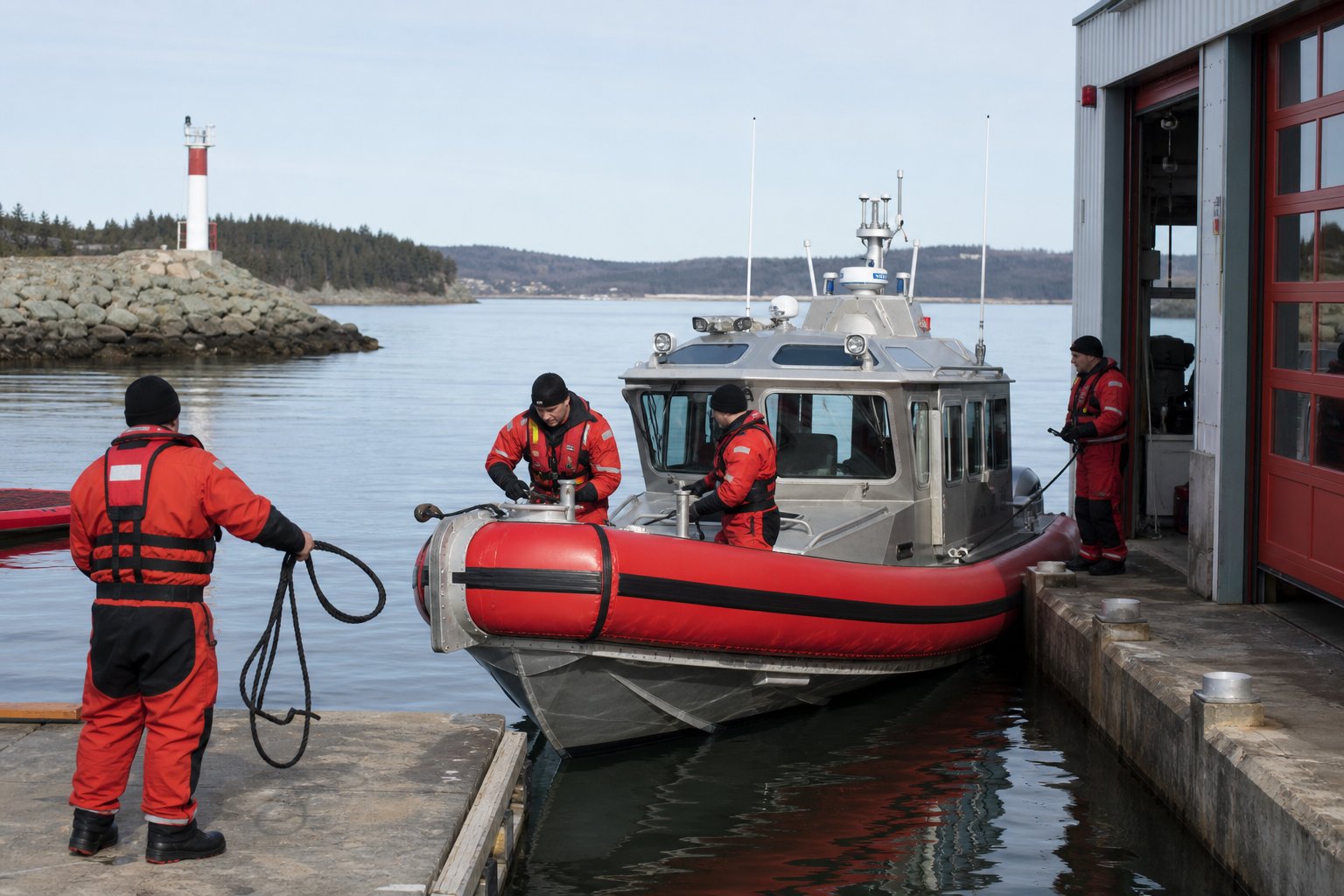
Learn who qualifies for the Canadian Coast Guard Inshore Rescue Boat student program 2027, what documents you need, and how to apply before November 2, 2026.
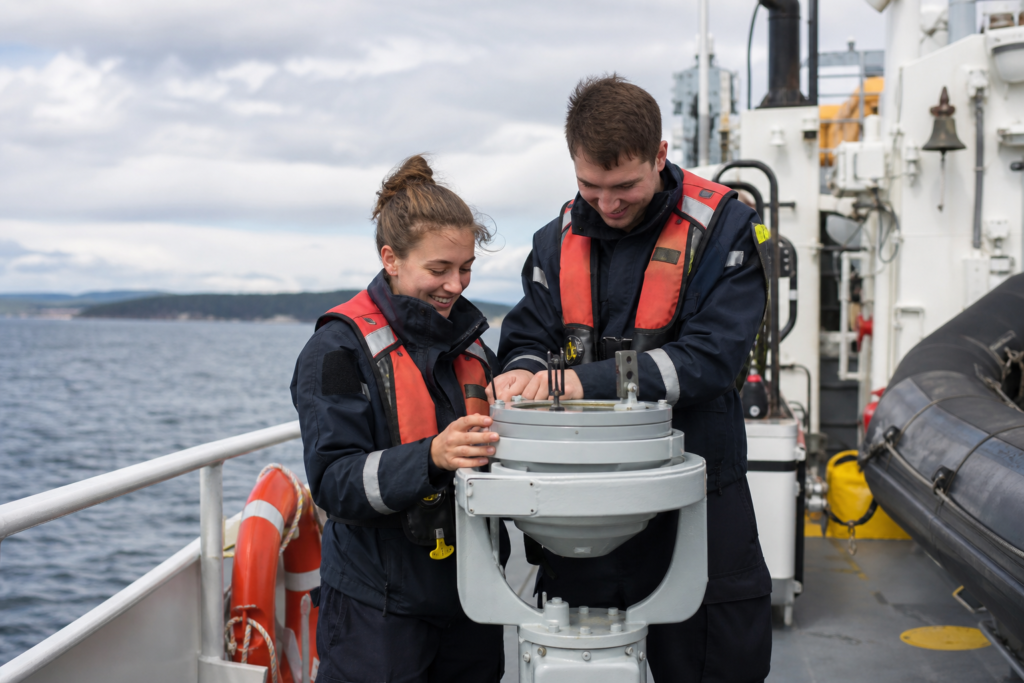
The Canadian Coast Guard’s Inshore Rescue Boat student program is a paid summer opportunity for students who want practical marine experience and search-and-rescue training. Successful applicants learn seamanship, boat handling, coastal navigation, communications, and emergency response before being assigned to an Inshore Rescue Boat station.
The 2027 selection process is currently open. The application deadline is November 2, 2026. The government has not published a single guaranteed wage for the IRB positions in the program information, so applicants should avoid relying on figures from older postings or general student-job advertisements.
Training lasts at least 16 days and begins shortly after the end of the school year. After completing the required training, students normally work a full-time seasonal contract from around May to early September. The work schedule uses a 14-days-on, 14-days-off rotation and a 46.6-hour averaging system.
Crews may respond to disabled, grounded, capsized, or sinking vessels, persons overboard, and medical emergencies. They also help educate boaters about navigation rules, life jackets, required safety equipment, hypothermia, and boating restrictions.
The basic eligibility rules are more specific than the usual requirements for a general summer job. You must be a full-time student at an accredited institution, such as a CEGEP, college, or university, and you must be returning to full-time post-secondary studies in your next academic term.
You must also meet the minimum employment age in the province or territory where the position is located. Language requirements depend on the region: French fluency is required for work in Quebec, while English fluency is required in all other regions.
Applicants must hold valid versions of the following:
These are not just nice-to-have qualifications. The official eligibility page lists them as requirements for applying to the IRB service, so it’s worth checking expiry dates and confirming that your certificates are accepted before submitting an application.
Applicants should be comfortable working outdoors, on the water, and in changing weather. The job can involve nights, weekends, holidays, overtime, and short-notice schedule changes. Candidates must also be able to stay calm and make sound decisions during stressful situations.
During the hiring process, candidates may need to complete a national IRB marine knowledge exam and interview, obtain government reliability status, and pass a Health Canada medical clearance. The medical clearance includes hearing, physical, and colour-vision examinations. Security and medical checks take place after the interview stage, not before the initial application.
Selected candidates complete at least 16 days of paid training before the operational season begins. Training content can vary by location, but the required certifications may include:
The program page also identifies training in seamanship, boat handling, local coastal navigation, search techniques, and communications. This is a working rescue program, not simply a boating course, so applicants should expect a serious commitment to safety, teamwork, and physical readiness.
The application is completed online through the Government of Canada jobs system. The Canadian Coast Guard’s application page identifies the 2027 process as open and gives November 2, 2026 as the deadline.
Do not wait until the final day if one of your certificates needs renewal or if you need help understanding the student-status requirement. The application page does not promise that late applications will be accepted.
Naval Reserve candidates follow a separate route through their division rather than using the standard civilian student application process. The Reserve coordinator selects candidates for participation in IRB training.
In addition to the general requirements, Naval Reserve applicants need Level 1 security clearance, an Operational Functional Point, a medical fitness evaluation, and a current FORCE test. Reserve members should speak with their division point of contact before applying.
A short preparation checklist can help prevent avoidable delays:
| Item | What to confirm |
|---|---|
| Student status | You are currently full-time and will return to full-time post-secondary studies. |
| Driver’s licence | Your Canadian licence is valid and available for verification. |
| First aid | Your Standard First Aid and CPR-C/AED certification is current or an accepted equivalent is available. |
| Boating qualification | Your Pleasure Craft Operator Card or accepted equivalent is valid. |
| Radio qualification | Your ROC-M includes the required VHF DSC endorsement. |
| Availability | You can complete the training and work full-time on a rotating schedule. |
| Location | You are prepared to work at a station assigned within your selected region. |
The Coast Guard may provide some personal protective equipment and a uniform, but applicants should not assume that every travel or accommodation cost will be covered. Accommodation information is provided by regional Coast Guard staff during the interview process.
Your application may be placed into a student inventory used by hiring managers. If your qualifications match an opening, you may be contacted for testing, an interview, or additional screening. The federal student recruitment process notes that not every eligible applicant will necessarily be contacted because of application volumes and selection methods.
Before a job offer, the employer verifies student status and completes the required security process. Candidates who move forward must still pass the interview, medical clearance, and marine knowledge assessment, and must successfully complete the paid training course.
Station assignments are made by the regional IRB coordinator. The program includes stations across Atlantic, Central, and Western regions, but the exact location available to an applicant depends on operational needs and the employer’s assignment process.
The safest next step is to review the official eligibility page, verify every certification, and submit the 2027 application through the government jobs system before November 2, 2026.
A. The program is a Government of Canada student employment opportunity. Preference is given to Canadian citizens and permanent residents, and applicants must meet the Canadian student-work and regional employment requirements. U.S. students should not assume they qualify unless they have the required Canadian status and authorization.
A. The published requirements do not state that professional rescue-boat experience is mandatory. However, applicants must already hold the required licence and certifications, pass the selection process, and successfully complete Coast Guard training before working in an operational crew.
A. Yes. The Canadian Coast Guard states that students are paid during the training period. The official program page does not publish one universal IRB wage rate, so applicants should rely on the specific employment information provided during recruitment rather than older online figures.
A. The standard requirement is that applicants return to full-time post-secondary studies in the next academic term. A student who will not return to full-time studies may not meet the normal IRB eligibility rule, even if they are still enrolled when applying.
A. Use the contact information on the official Canadian Coast Guard Inshore Rescue Boat student program page or the contact details provided in the Government of Canada application process. Do not send personal documents through unofficial recruitment pages or social media messages.