Welcome to KnowHow Daily!
Practical guides, money-saving tips, tech solutions, government benefits, and useful information for everyday life.
Welcome to KnowHow Daily!
Practical guides, money-saving tips, tech solutions, government benefits, and useful information for everyday life.

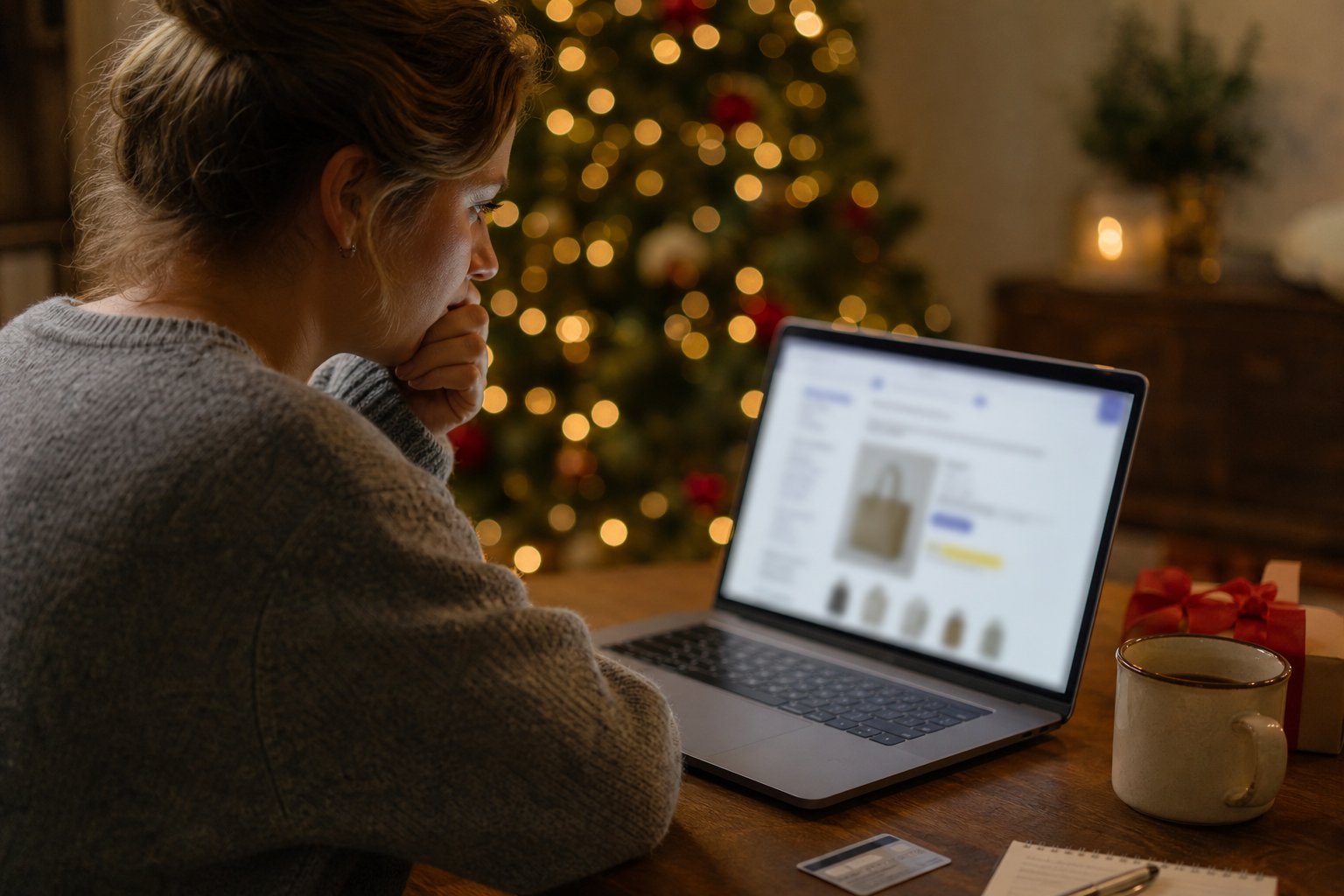
The FTC warns about fake stores and imposter ads in search results. Learn how to verify sellers, pay safely, and report holiday shopping scams in the U.S. and Canada.
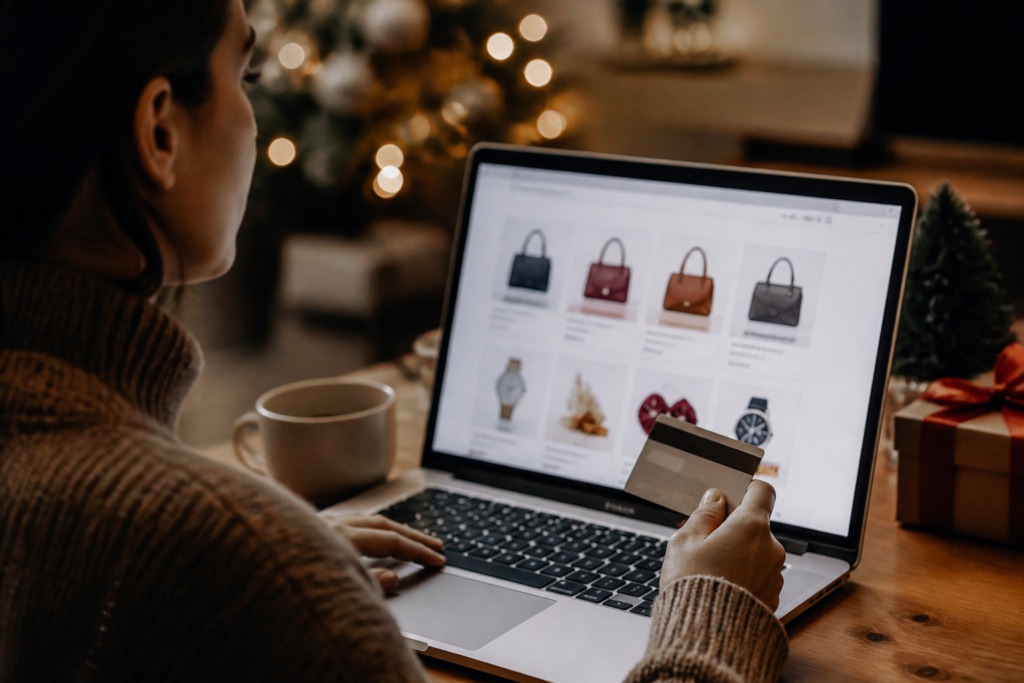
The Federal Trade Commission warned on November 19, 2026, that scammers are using search results and online ads to impersonate businesses, promote hard-to-find products, and send shoppers to fake websites. The safest approach is simple: don’t assume the first result is the real retailer. When possible, go directly to the company’s official website instead.
This matters most during the holiday season, when shoppers are searching for sold-out toys, electronics, collectibles, popular appliances, and other products under time pressure. A convincing ad can lead to a counterfeit item, a shipment that never arrives, or a checkout page designed to collect your payment and personal information.
Scammers may pay for search advertising so their links appear at or near the top of results. The ad can use a familiar company name, product photos, branding, or a discount that looks believable. In some cases, the fake store copies the design of a legitimate retailer closely enough to seem authentic at a quick glance.
Search placement is not proof that a seller is trustworthy. The top result may be a paid advertisement, and even an ordinary search listing should be checked before you enter payment details. A secure-looking checkout page is not proof of legitimacy either. Scammers can use encrypted websites, including sites beginning with “https.”
If you already know the store, type its web address into your browser or use a bookmark you created previously. Don’t rely on a link in an unfamiliar ad, text message, email, or social media post. Watch for small changes in the address, such as extra words, unusual spellings, swapped letters, or an unfamiliar domain ending.
For a new retailer, take a moment to confirm that the company’s contact information, customer-service details, shipping terms, and return policy are consistent across the site. A copied logo or professional-looking layout doesn’t establish that the business is genuine.
Search for the company name and website address along with words such as “complaint,” “review,” or “scam.” Look at more than one source and be cautious with pages that contain only glowing comments or vague testimonials.
Star ratings alone aren’t enough. Reviews can be fake, misleading, outdated, or connected to a different business with a similar name. The goal is to find evidence about the actual seller, not just confirmation that the product exists.
Before placing an order, look for shipping charges, taxes, handling fees, delivery estimates, restocking fees, and the deadline for returns. Pay attention to whether the item is new, refurbished, used, counterfeit-prone, or sold by a third-party marketplace seller.
An unusually low price is not automatically proof of fraud, but it deserves extra scrutiny. Compare the offer with prices from the manufacturer and established retailers. Be especially careful when a high-demand product is supposedly in stock only on an unfamiliar site.
When possible, pay by credit card. If the item never arrives, arrives damaged, or is materially different from the listing, your card issuer may allow you to dispute the charge. Keep the order confirmation, product description, promised delivery date, and all communication with the seller.
Do not buy from a seller that insists on gift cards, cryptocurrency, wire transfers, cash-equivalent payment methods, or payment outside a marketplace’s normal checkout system. These methods can make it much harder to recover your money.
Messages such as “last chance,” “only one left,” or “payment required in the next few minutes” are designed to prevent careful checking. A legitimate retailer may run a limited sale, but urgency should not replace basic verification. If you’re unsure, close the page and start again from the retailer’s known website.
Act quickly, but don’t keep communicating with the scammer longer than necessary. Save screenshots of the product page, checkout page, seller’s web address, order confirmation, receipts, tracking information, and messages. These records can help your bank, card issuer, marketplace, or law-enforcement agency understand what happened.
Contact the company that handled the payment. For a credit or debit card, ask about disputing the transaction. If you used a payment app, contact the app and the linked bank or card provider. If you sent a wire transfer, gift card payment, or cryptocurrency, contact the provider immediately and explain that the transaction was connected to fraud. Recovery is not guaranteed, but delays can reduce your options.
Report the scam to the Federal Trade Commission, even if you didn’t lose money. Reports help identify patterns involving fake businesses, misleading ads, and impersonation schemes.
Report the incident to the Canadian Anti-Fraud Centre and contact your local police if you were a victim. The Anti-Fraud Centre accepts reports from victims and witnesses, including people who recognized a scam before sending money.
The FTC’s November 19, 2026 alert confirms that imposter shopping ads and fake stores can appear through search results, including paid placements. Its practical advice is to scroll past the top results when appropriate, research the seller, and type a known company address directly into the browser.
The alert does not mean that every search ad or unfamiliar retailer is fraudulent. It does mean that search ranking, a familiar logo, a low price, or an “https” connection should not be treated as independent proof that a seller is legitimate. Verification still matters, particularly for scarce products and time-sensitive holiday purchases.
A. No. The first result may be a paid advertisement, and scammers can use ads to impersonate real businesses. Check the web address and, when possible, open the retailer’s known official website directly.
A. No. HTTPS helps encrypt the connection, but scammers can use encrypted websites too. Check the seller, address, contact information, policies, reputation, and payment terms separately.
A. A credit card generally provides stronger dispute options than gift cards, wire transfers, cryptocurrency, or other cash-like payments. Never continue if a seller insists on an unusual payment method or asks you to pay outside a marketplace’s checkout system.
A. Contact the card issuer immediately, explain that the information may have been exposed through a fraudulent merchant, and ask what steps are available to monitor or replace the card and dispute unauthorized charges. Save evidence and report the incident to the appropriate U.S. or Canadian authority.