Welcome to KnowHow Daily!
Practical guides, money-saving tips, tech solutions, government benefits, and useful information for everyday life.
Welcome to KnowHow Daily!
Practical guides, money-saving tips, tech solutions, government benefits, and useful information for everyday life.

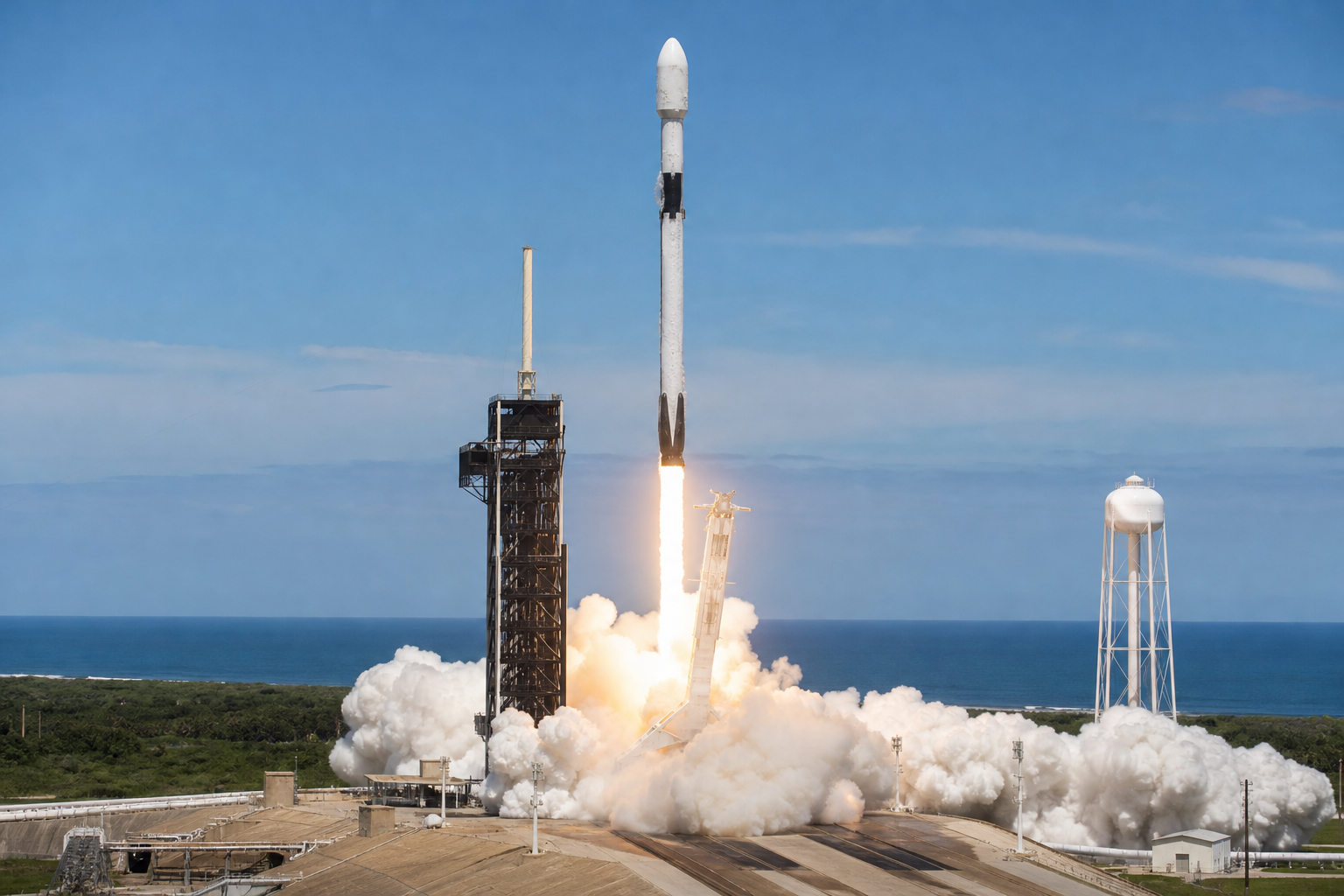
NASA CRS-25 is targeted for November 29, 2026. Here is what the Cygnus XL cargo mission will deliver to the space station and how to follow updates.
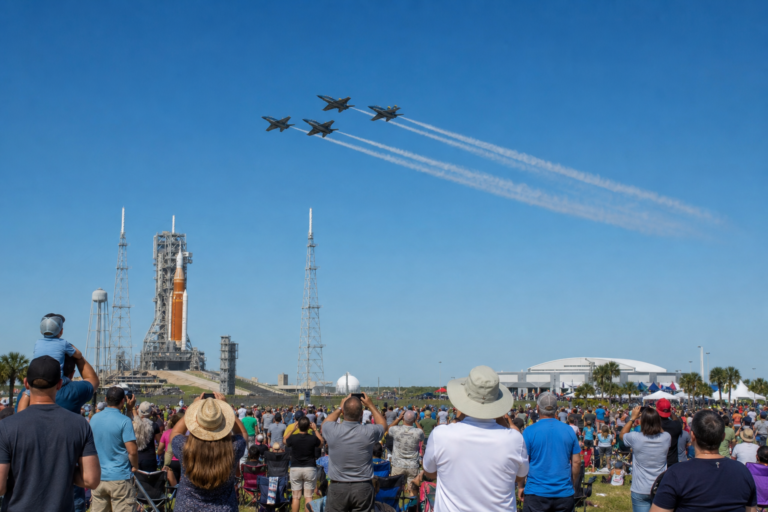
NASA’s Northrop Grumman CRS-25 cargo mission is currently scheduled to launch no earlier than Sunday, November 29, 2026, at 10:49 a.m. Eastern time. The launch is planned from Space Launch Complex 40 at Cape Canaveral Space Force Station in Florida.
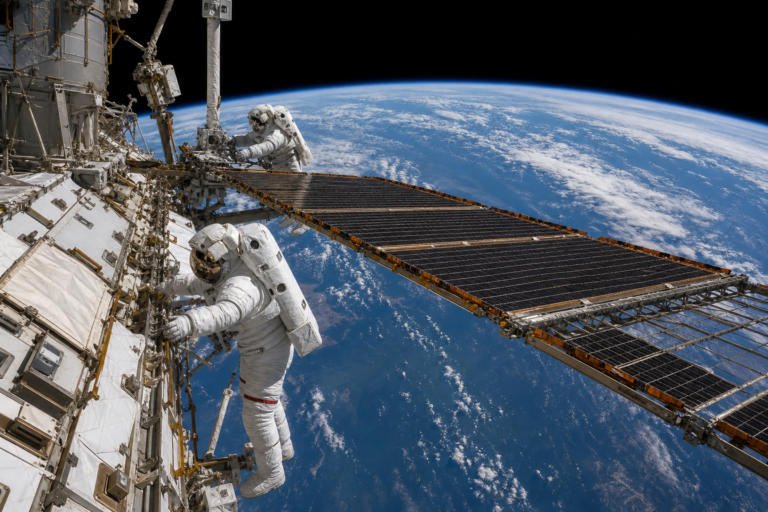
The mission will send a Northrop Grumman Cygnus XL cargo spacecraft into orbit on a SpaceX Falcon 9 rocket. Its job is straightforward but essential: deliver food, equipment, and research materials to astronauts working aboard the International Space Station.
“No earlier than” is the key phrase here. It means November 29 is the earliest current target, not a guarantee that liftoff will happen that day. Weather, technical checks, range availability, and other operations can all change a launch schedule.
At 10:49 a.m. EST, the planned liftoff time is 9:49 a.m. Central, 8:49 a.m. Mountain, and 7:49 a.m. Pacific. Canadian viewers in the Atlantic time zone would see the launch at 11:49 a.m., while Newfoundland time would be 12:19 p.m.
View the official NASA CRS-25 mission page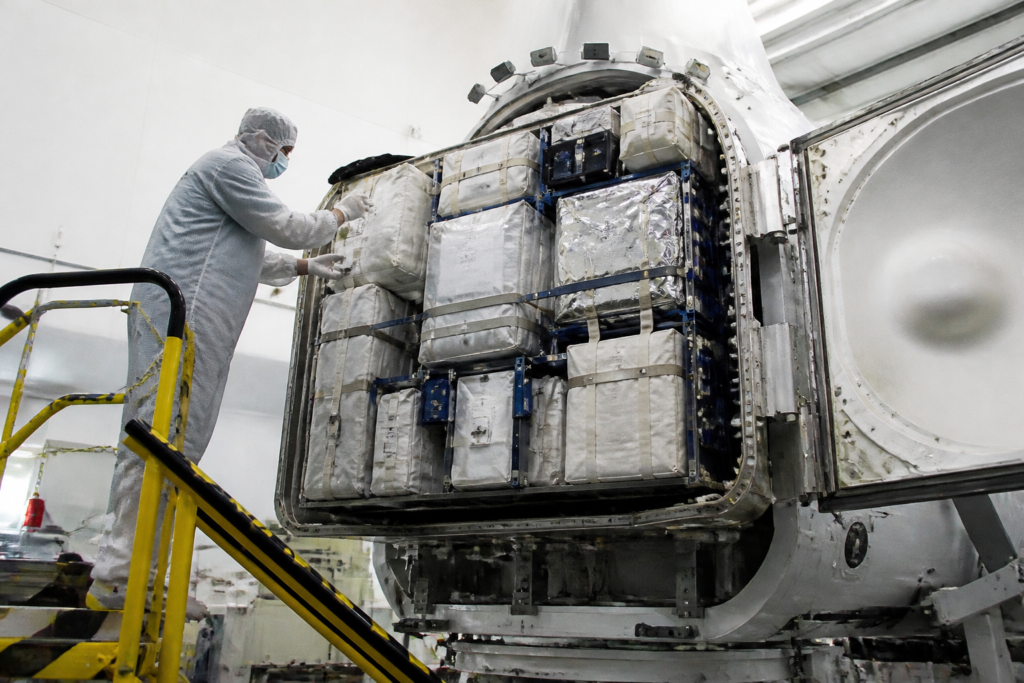
CRS-25 is part of NASA’s Commercial Resupply Services program, which uses private spacecraft to keep the space station supplied. The cargo includes the everyday materials astronauts need, along with experiments that take advantage of the station’s microgravity environment.
Cygnus XL will carry food, crew provisions, replacement equipment, and other hardware for International Space Station operations. These shipments help maintain the outpost and reduce the need for astronauts to spend valuable time managing shortages or waiting for essential parts.
NASA says the mission will include hardware for producing very small, DNA-inspired particles in space. Researchers hope this work could eventually contribute to improved drug-delivery methods for conditions including cancer and osteoarthritis.
The spacecraft will also carry a study focused on whether cancer is likely to spread to other parts of the body. Because space-based research can isolate certain biological processes from the effects of gravity, these investigations may offer useful data for researchers developing future treatments.
Other CRS-25 investigations will use human muscle cells and medications to study treatments for muscle loss linked to spaceflight and aging on Earth. The mission will also deliver a compact radiation sensor designed to improve understanding of the radiation environment faced by astronauts.
These experiments are not expected to produce instant medical breakthroughs. Their value is in generating controlled data that researchers can compare with Earth-based results and use to plan later studies.
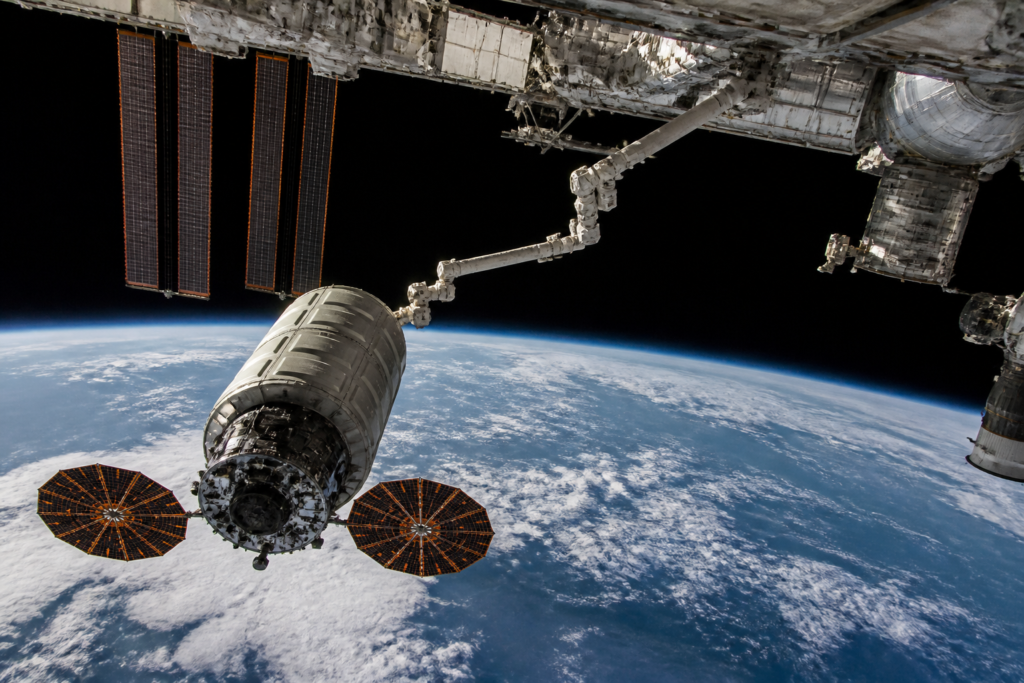
After launch, Cygnus XL will travel separately to the space station rather than docking under its own power in the same way as a crew capsule. Once it reaches the station, astronauts will use the Canadarm2 robotic arm to capture the spacecraft.
NASA plans for the cargo vehicle to be attached to the Earth-facing port of the station’s Unity module. The crew can then unload supplies and move experiment equipment into the station’s laboratories.
According to NASA’s current mission information, Cygnus is expected to remain attached to the International Space Station until May 2027. The exact departure date can change as station operations and traffic schedules develop.
NASA has not yet published a complete CRS-25 broadcast timetable, so viewers should avoid relying on older countdown posts or unofficial launch videos. The most dependable approach is to check NASA’s official mission listing as launch day approaches and watch for updated coverage details.
NASA+ is the agency’s free, ad-free streaming service and is used for live launch coverage. NASA also makes coverage available through its website and NASA App when a mission broadcast is scheduled.
Watch official NASA launch coverage on NASA+NASA’s broader launch schedule is also useful because it shows whether the CRS-25 target remains listed as planned or has moved to a later date.
Check the official NASA launch scheduleNASA+ is available to viewers in Canada, and the launch time should automatically adjust to the viewer’s local time when using NASA’s mission pages. Canadian viewers should still confirm the displayed time shortly before launch because a delay can change the schedule.
U.S. viewers can use NASA+ and NASA’s online live coverage. The launch is expected to take place from Florida’s Space Coast, but public viewing access, traffic conditions, and visitor-center operations are separate from the online broadcast and have not been established here as part of the CRS-25 announcement.
Rocket launches are scheduled around several moving pieces. The Falcon 9 and Cygnus spacecraft must complete final inspections, the launch range must be available, and weather conditions must remain within mission limits. The International Space Station also operates on a tightly coordinated schedule, so a delay can affect the spacecraft’s arrival and capture plans.
For that reason, the practical status is simple: November 29, 2026, is the current earliest target, with liftoff planned for 10:49 a.m. EST. NASA’s mission page and launch schedule should be treated as the final references for any change announced before launch.
As of November 10, 2026, NASA lists CRS-25 as a future commercial resupply mission targeting November 29. The mission’s purpose, launch provider, spacecraft, launch site, and major research themes are confirmed. A final launch-day broadcast schedule and guaranteed liftoff are not yet confirmed.
A. No. November 29, 2026, is NASA’s current no-earlier-than target. The launch could move because of weather, technical work, range availability, or changes to the International Space Station’s schedule.
A. Northrop Grumman’s Cygnus XL cargo spacecraft is planned to launch on a SpaceX Falcon 9 rocket from Space Launch Complex 40 at Cape Canaveral Space Force Station in Florida.
A. No. CRS-25 is an uncrewed cargo mission. Astronauts already aboard the International Space Station will receive and unload the spacecraft after it arrives.
A. NASA currently expects the spacecraft to remain attached until May 2027. The specific departure date has not been finalized and may change with station operations.