Welcome to KnowHow Daily!
Practical guides, money-saving tips, tech solutions, government benefits, and useful information for everyday life.
Welcome to KnowHow Daily!
Practical guides, money-saving tips, tech solutions, government benefits, and useful information for everyday life.

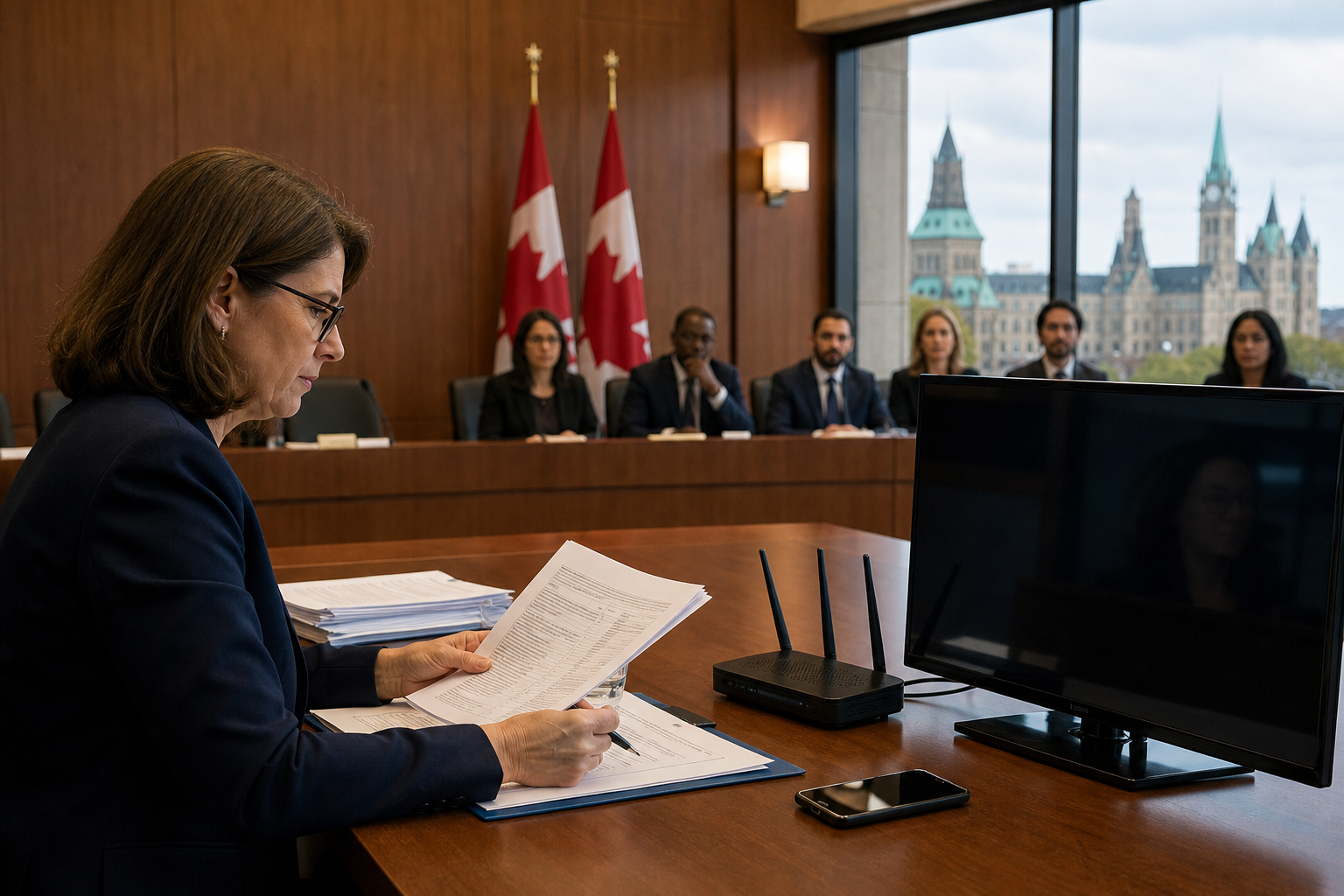
The CRTC’s Canadian consumer protection consultation is moving to a public hearing on November 30, 2026. Here’s what customers should know.
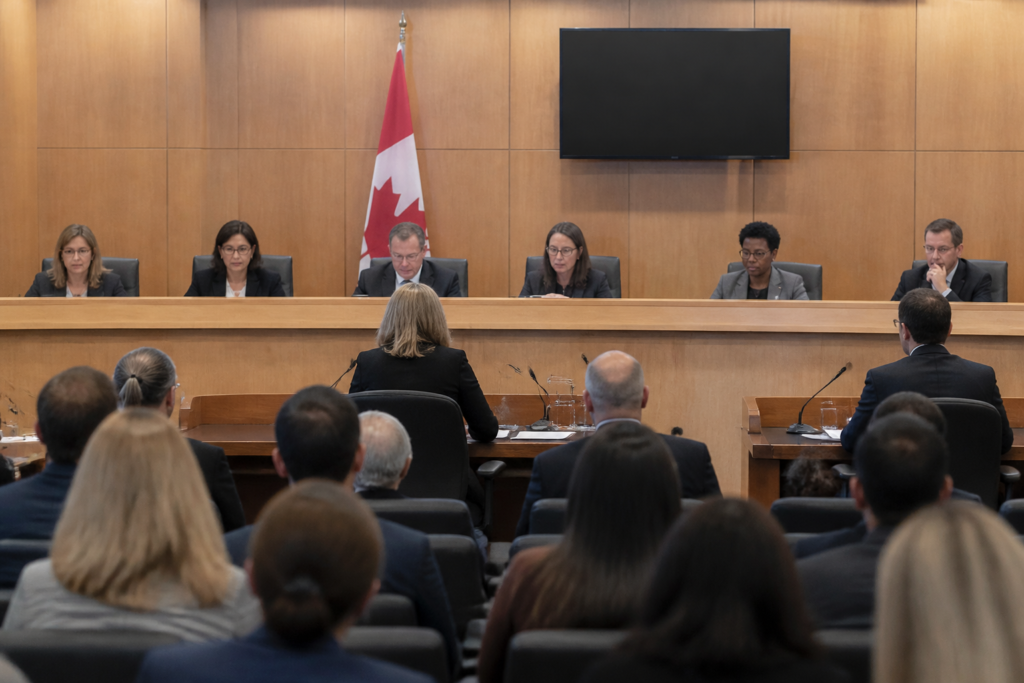
Canada’s communications regulator is moving ahead with a public hearing on whether the country’s separate consumer-protection rules should be combined into one clearer code. The hearing is scheduled to begin on November 30, 2026, in Gatineau, Quebec.
The Canadian Radio-television and Telecommunications Commission, or CRTC, says the goal is to make protections easier to understand across Internet, cellphone, home phone, and television services. The consultation is not a new bill or an immediate change to your wireless or Internet plan. It is a regulatory proceeding that could eventually lead to revised rules for service providers and customers.
For consumers, the practical question is simple: will one set of clearer rules make it easier to understand billing, contract changes, cancellations, complaints, and other service issues? That is what the CRTC is examining.
Current status as of November 17, 2026: the written consultation is closed, and the next scheduled step is the public hearing beginning November 30.
The CRTC currently has four major consumer-protection codes covering different communications services:
| Existing code | Main services covered |
|---|---|
| Wireless Code | Cellphone services and wireless contracts |
| Internet Code | Retail Internet services |
| Deposit and Disconnection Code | Deposits, disconnections, and reconnections |
| Television Service Provider Code | Television distribution services |
These codes were developed at different times and for different services. That structure can become difficult to navigate when a household buys several services from the same provider, especially when a bundle includes wireless, Internet, television, and home phone service.
The CRTC is considering whether those protections can be brought together into a single consumer protection code. Its stated objectives include clearer and more consistent rights, fewer billing surprises, less regulatory complexity for service providers, and faster resolution of customer complaints.
The consultation was launched on June 12, 2026. The original announcement listed August 11 as the comment deadline, while the CRTC’s updated consultation page records the written consultation as running until August 14, 2026. The consultation page now lists the status as closed.
A single code could make it easier to find the rule that applies when a customer has a problem involving more than one service. For example, a customer dealing with a bundled bill might not need to determine whether the issue falls under a wireless rule, an Internet rule, or a television-service rule before understanding the available protections.
Possible consumer benefits include:
Those are potential outcomes, not rules that have already taken effect. The CRTC has not announced a final unified code or a confirmed implementation date. Until the proceeding produces a decision and any new rules come into force, customers should continue relying on the consumer protections currently applicable to their service.
A CRTC public hearing is part of the regulator’s decision-making process. It gives parties an opportunity to present views on the record, respond to issues raised by others, and answer questions from the Commission.
It does not mean that every consumer can automatically speak at the hearing, and it does not mean that a final decision will be issued on November 30. The CRTC explains that people who want to appear generally need to have filed a written intervention and request an appearance, with reasons explaining why written comments alone are not enough.
Because the written consultation has closed, the main public record now consists of the submissions and other material filed in the proceeding. The CRTC says those comments will inform its eventual decision. Consumers who did not file before the deadline should not assume that a late submission will be accepted unless the Commission provides a specific opportunity to do so.
The most useful way to follow the consultation is through the CRTC’s dedicated proceeding page and the hearing documents for Broadcasting and Telecom Notice of Consultation CRTC 2026-134. Those pages are where the regulator posts the status, public submissions, procedural updates, hearing information, and later decisions.
View the official CRTC consumer protection consultation page View the official CRTC hearing documentsThe CRTC’s 2026 public-hearing calendar lists the November 30 event as taking place in Gatineau, Quebec. The calendar also links to the hearing documents associated with the proceeding.
Check the CRTC’s 2026 public-hearing calendarReaders should be careful not to treat the hearing date as the effective date of new consumer rights. A final code would need to be established through the CRTC’s decision-making process, followed by any transition or implementation instructions for service providers.
There is no new application, registration, or payment required for ordinary customers because of this consultation. Your current plan, bill, contract, and complaint options remain governed by the rules that apply today.
If you are dealing with a service problem, keep copies of your contract, bills, chat records, emails, and cancellation or repair requests. Write down dates and the provider’s response. Those records are useful whether you are negotiating directly with the provider or later pursuing a formal complaint.
File a telecom or television service complaintIt is also worth checking the terms that apply to your specific service instead of waiting for the proposed unified code. The CRTC’s existing Wireless Code, Internet Code, Television Service Provider Code, and related deposit and disconnection rules remain the relevant reference points unless and until the Commission changes them.
Review the CRTC’s current consumer protection codesThe next confirmed milestone is the public hearing beginning November 30, 2026. The CRTC has not announced a final decision date or an effective date for a future unified code.
After the hearing, the Commission will review the public record and determine whether changes are needed. It may adopt a unified code, revise parts of the existing framework, request additional information, or take another procedural step before reaching a final outcome.
For now, the practical status is clear: the consultation is closed, the hearing is scheduled, and no replacement consumer-protection code has been announced as being in force.
A. No. The hearing is part of the CRTC’s review process. The existing consumer-protection codes remain applicable unless the CRTC later issues a decision that changes the rules and provides an effective date.
A. The consultation is currently closed. The CRTC’s updated consultation page says the written consultation ran until August 14, 2026. Consumers should not assume that late comments will be accepted unless the CRTC announces a new filing opportunity.
A. The proceeding concerns protections for Internet, cellphone, home phone, and television services. The CRTC is considering how the existing Wireless, Internet, Deposit and Disconnection, and Television Service Provider codes could be combined or harmonized.
A. Not necessarily. November 30 is the scheduled start of the public hearing, not a confirmed decision date. The Commission has not announced when it will issue a final decision or when any future code would take effect.
A. The CRTC’s consultation page includes an interventions section for comments received online, by mail, and by fax. The hearing documents and public record provide the formal proceeding material.