Welcome to KnowHow Daily!
Practical guides, money-saving tips, tech solutions, government benefits, and useful information for everyday life.
Welcome to KnowHow Daily!
Practical guides, money-saving tips, tech solutions, government benefits, and useful information for everyday life.

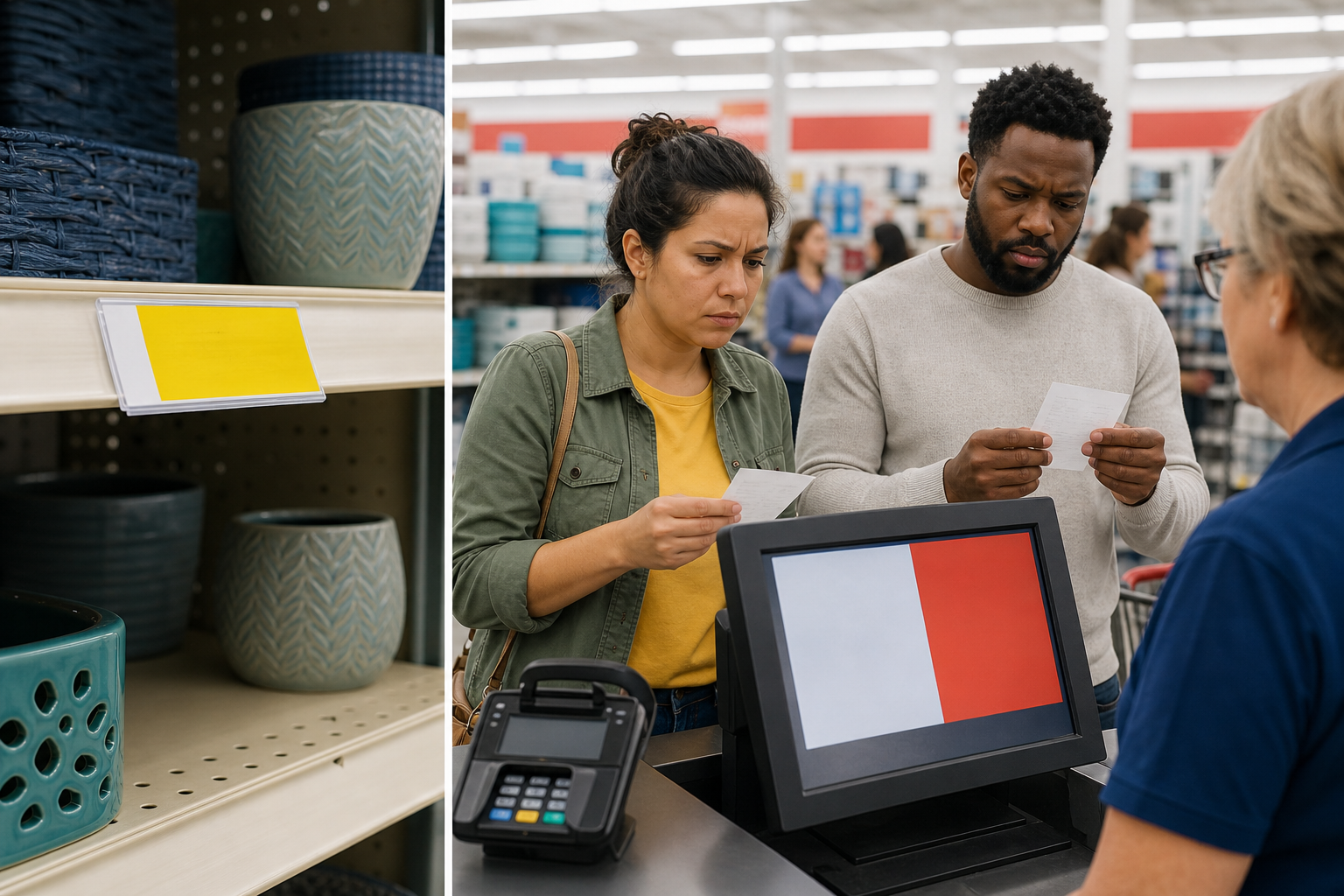
The FTC says Family Dollar agreed to a proposed $63 million settlement over shelf-price errors. Here is what shoppers should know about eligibility, claims, records, and scams.

Family Dollar has agreed to a proposed $63 million settlement with the Federal Trade Commission and 17 state plaintiffs over alleged price discrepancies. The complaint says shoppers were sometimes charged more at the register than the price shown on a shelf, tag, advertisement, website, mobile app, or Smart Coupon.
The announcement was made on November 12, 2026. As of November 16, 2026, the FTC case page listed the matter as pending. That means the proposed agreement had not yet become a court-approved final order, and the details of the consumer claims process were not yet fully available.
The allegations are not the same as a completed refund program. A settlement agreement has been filed, but shoppers should wait for an official notice before submitting personal information or responding to an unsolicited message.
View the official FTC Family Dollar case page
The proposed order defines an eligible consumer as someone who made one or more Family Dollar purchases between January 1, 2023, and October 1, 2026. That broad definition does not guarantee that every shopper will receive the same amount, or that every claim will be approved automatically.
The settlement documents say the claims process will allow consumers to attest that they fall within the eligible period and provide identifying information needed to distribute a payment. The final claim form, proof requirements, payment method, and deadline will need to be confirmed through the court-approved process.
For now, it is safest to think of the purchase period as a potential eligibility window rather than a promise of payment. The proposed order also says consumers will have up to 180 days after the claim form is first made available to submit a claim. That countdown has not started simply because the settlement was announced.
You do not need to recreate every Family Dollar purchase immediately, but records could make it easier to identify affected transactions or complete a claim form later. Save whatever you still have, including:
Do not send original documents to anyone who contacts you unexpectedly. Keep copies, and remove unnecessary financial or personal information from anything you share unless the official claims administrator specifically requests it through a verified process.
The agreement has three main consumer-facing parts:
| Proposed part | What it would do |
|---|---|
| $40 million consumer redress fund | Provide monetary relief to eligible Family Dollar customers through a claims process. |
| $20 million discount program | Provide discounts for Family Dollar customers under a program that must be submitted for review and approval. |
| More than $3 million for states | Payments to the state plaintiffs under the stipulated order. |
The order also would prohibit Family Dollar from misrepresenting prices and require a pricing accuracy program. That program would include regular price monitoring, employee training, procedures for correcting errors, independent assessment, and annual certification.
The proposed agreement says Family Dollar must provide notices about the redress fund at its stores and on digital platforms. It also requires a third-party claims administrator and a public settlement website once the program is established and approved.
Not yet, based on the FTC case status available on November 16, 2026. The FTC filed a complaint and a stipulated order in the U.S. District Court for the Eastern District of Virginia. The court still needs to approve and enter the order before the settlement requirements become enforceable as a final court order.
Because the claims process depends on that next step, the official claim website, administrator, form, and submission deadline should be treated as unconfirmed until they appear in an official notice. The settlement documents provide a framework for those steps, but they do not establish that shoppers can already file through a particular website.
Consumer refund announcements often attract impersonators. A message may use the FTC name, Family Dollar branding, or a convincing-looking logo while directing you to a fake claim form.
Use these safeguards:
The FTC says it will not demand money, threaten consumers, or promise a prize. A legitimate claims administrator may eventually request information needed to issue payment, but the process should be explained in an official notice and should not require an upfront payment.
Report a Family Dollar settlement scamThere is no need to rush into a claim before the official process opens. The practical next step is to gather available records and monitor the FTC case page, Family Dollar’s official digital notices, and in-store postings.
If you shop at Family Dollar in the United States, compare your receipts with shelf tags, advertised prices, and coupon discounts whenever possible. If the register price is higher, ask the store to correct the discrepancy before completing the transaction and keep a record of what happened.
This matter concerns Family Dollar operations and U.S. federal and state enforcement. The proposed settlement does not announce a Canadian refund program, and the available FTC materials do not identify Canadian shoppers as part of this case.
Until the court enters the order and the official claims process opens, the most reliable action is to preserve your records and avoid anyone asking for payment or sensitive information in exchange for a refund.
A. The proposed order says the claims form will allow eligible consumers to attest that they made qualifying purchases and provide identifying information for payment. It does not say that every shopper must have a paper receipt, but the final claim instructions may explain what records are accepted or useful.
A. A specific calendar deadline had not been announced as of November 16, 2026. The proposed order says consumers will have up to 180 days after the claim form is first made available, so the deadline depends on when the official claims process opens.
A. Not necessarily. The proposed order creates a $40 million redress fund, but the eventual payment calculation and distribution method must be explained through the approved claims process.
A. The announced case is a U.S. action brought by the FTC and 17 U.S. state plaintiffs. The available settlement materials do not announce a Canadian refund program.
A. Verify the information through the FTC’s official Family Dollar case page or an official Family Dollar notice. Do not pay a fee, share account passwords, or provide sensitive information through an unsolicited link.