Welcome to KnowHow Daily!
Practical guides, money-saving tips, tech solutions, government benefits, and useful information for everyday life.
Welcome to KnowHow Daily!
Practical guides, money-saving tips, tech solutions, government benefits, and useful information for everyday life.

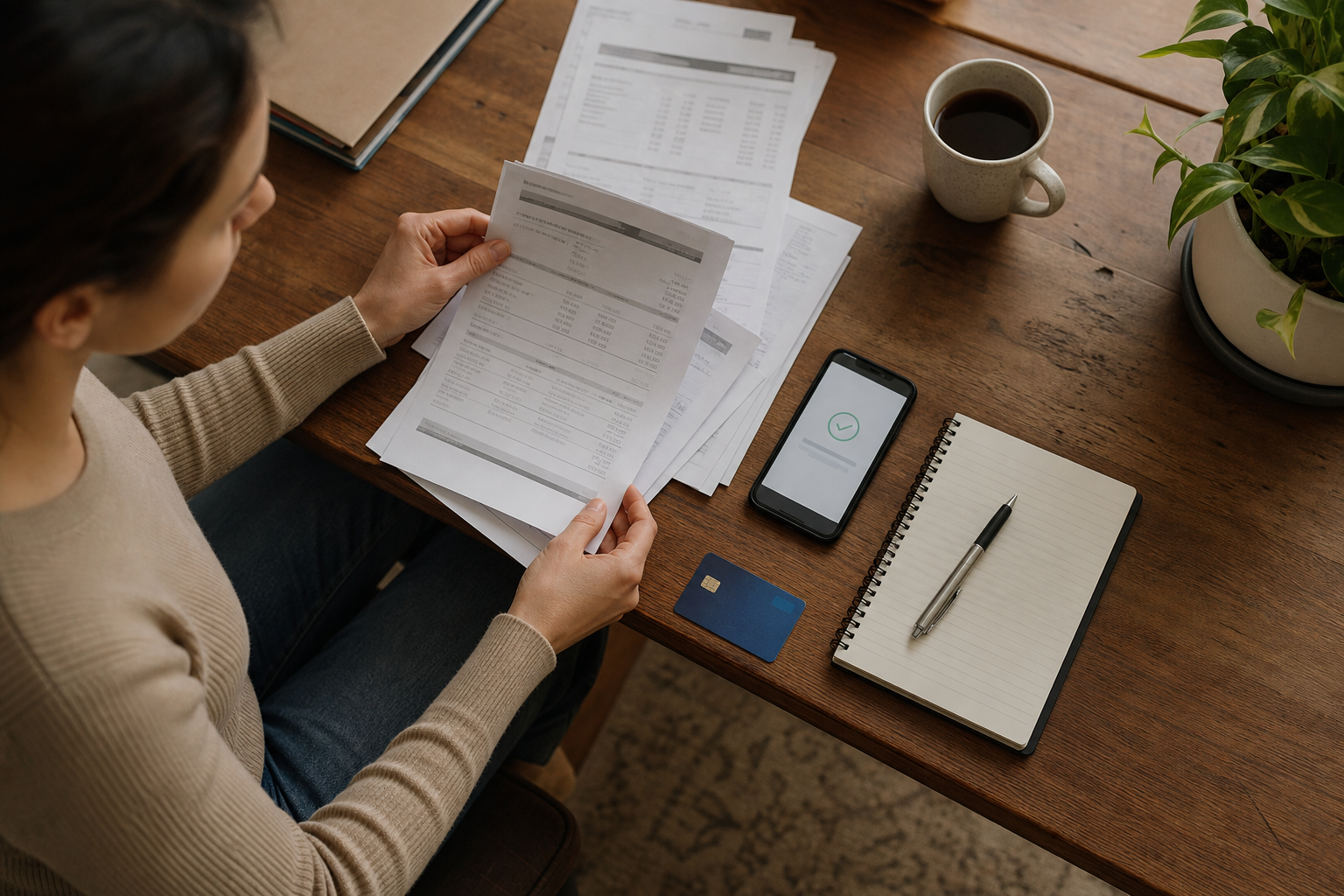
Learn how to stop automatic ACH payments after canceling a service or closing a bank account, including merchant notices, bank stop-payment orders, disputes, and Canada-specific PAD rules.
If a company is about to withdraw money from your bank account, contact both the company and your bank or credit union. Ask the company to cancel the recurring payment and send written confirmation. Then tell your financial institution that you have revoked the company’s authorization to debit your account.
If the payment is close to its scheduled date, also ask the bank for a stop-payment order. These are related but different steps: revoking authorization tells the company it no longer has permission to debit you, while a stop-payment order tells your bank not to process a specified payment or series of payments.
This guidance is primarily for U.S. checking, savings, and prepaid accounts covered by Regulation E. A debit made through a debit card, credit card, or a bank’s online bill-pay system may follow a different process.
Review the official CFPB preauthorized transfer rules
Start with the merchant, lender, utility, subscription provider, or other biller that receives the money. Use the company’s cancellation process, but do not rely on an online cancellation screen alone if a payment is imminent.
Save the confirmation email, cancellation number, screenshots, and the date you made the request. If you speak with customer service, write down the representative’s name, the time of the call, and what the company promised to stop.
Use clear wording such as:
“I revoke my authorization for your company to make electronic withdrawals from my bank account. Please stop all future ACH debits and confirm the cancellation in writing.”
Canceling the payment method does not necessarily cancel the underlying contract or balance. For example, stopping an automatic loan payment does not erase the loan, and canceling a subscription payment does not automatically resolve an amount the company says was already owed.
Contact the bank or credit union that holds the account being debited. Say that you have revoked the company’s authorization and ask what documentation it needs to block future transactions from that payee.
Some financial institutions accept the request by phone, while others may require a secure message, branch visit, online form, or written statement. Ask whether the bank can place a block on the specific company, whether it needs the company’s ACH originator name or identification number, and whether a fee applies.
Under the federal Regulation E rules, once the financial institution has been notified that authorization is no longer valid, it generally cannot simply wait for the company to cancel the debits. The bank may ask you to provide proof that you also notified the company. If it requires written confirmation after an oral request, provide it within the deadline the bank gives you.
Read the official CFPB guide to stopping electronic debits
A stop-payment order is useful when the next withdrawal is scheduled soon or when you want an additional layer of protection while the merchant’s cancellation is being processed.
Federal rules allow banks to charge a stop-payment fee, although the amount and procedure depend on the institution. A stop-payment order also does not necessarily prevent a company from pursuing a legitimate unpaid balance through other lawful billing or collection methods.
Closing an account can help, but it is not a complete cancellation strategy. A bank may return a transaction sent to a closed account, but some institutions may reopen a closed account when they receive a debit or deposit. That can create overdrafts, fees, or a new dispute about whether the account was properly closed.
Before closing an account, ask the bank for the effective closure date and written confirmation. Confirm that pending ACH transactions, checks, recurring transfers, and automatic bill payments have cleared or been canceled. Move legitimate deposits and payments to the replacement account, but do not assume that changing accounts automatically updates every biller.
If an old account was closed and a debit still appears, contact the bank immediately. Ask whether the account was reopened, whether the transaction was returned, and whether any fee can be reversed. Also contact the company and repeat that the authorization was revoked.
The Consumer Financial Protection Bureau warns consumers to account for pending automatic payments before closing an account. It has also stated that unilaterally reopening a previously closed deposit account to process a debit or deposit can raise consumer-protection concerns.
Check your account closely after sending the cancellation and bank notices. If a debit appears after you revoked authorization, notify the bank promptly and describe it as an unauthorized electronic fund transfer or a debit taken after authorization was revoked.
Give the bank copies of your cancellation request, the merchant’s confirmation, the revocation notice, and the account statement showing the transaction. Ask about the bank’s error-resolution process and the deadline for reporting the debit.
For a recurring subscription charged through a debit or credit card rather than directly through ACH, use the card issuer’s dispute process instead. The FTC recommends keeping cancellation records and disputing charges that continue after cancellation.
If the company or financial institution does not resolve a U.S. problem, you can submit a complaint to the CFPB when the issue involves a bank account, payday loan, personal loan, student loan, vehicle loan, or another covered financial product.
Submit a complaint through the CFPB complaint portalIn Canada, the comparable arrangement is usually called a pre-authorized debit, or PAD. The cancellation procedure should be described in the PAD agreement. Canada’s Financial Consumer Agency advises consumers to cancel the PAD in writing, keep a copy, and check the account afterward.
For a Canadian personal PAD, you generally have 90 calendar days from the withdrawal date to report an unauthorized or improper debit to your financial institution and request reimbursement. Payments Canada also says that canceling a PAD does not cancel the underlying contract or amount owed.
A Canadian stop-payment request may be available for a single payment or recurring payments, but the exact process and fees are set by the financial institution. If a PAD continues after cancellation, contact the biller first and then ask the bank about reimbursement and its complaint process.
Review Canada’s official pre-authorized debit guidanceThe safest approach is not simply to close the account or hope that a canceled subscription stops billing. Treat the merchant cancellation, bank notification, stop-payment request, and account monitoring as separate steps.
Use the CFPB’s official guide for moving your checking accountA. Not always. The company should stop future withdrawals after a valid cancellation, but you should also notify your bank that you revoked authorization, especially when a payment is scheduled soon. Keep the cancellation confirmation and monitor your account.
A. In the United States, you can ask your bank for a stop-payment order even if you have not yet revoked authorization with the company. However, contacting the company is still important because a stop-payment order does not cancel the contract or eliminate a legitimate balance.
A. It may cause a debit to be returned, but it is not guaranteed to end the problem. A bank may reopen a closed account after receiving a transaction, and the merchant may continue trying to bill you. Cancel the payment with the merchant, notify the bank, and obtain written confirmation of closure.
A. For many Canadian personal PAD problems, you generally have 90 calendar days from the withdrawal date to contact your financial institution and request reimbursement. The exact rights can depend on the type of PAD and the circumstances, so act as soon as you notice the debit.
A. Provide the company name, expected payment date, amount, account number, and any ACH originator information shown in your account. Also provide proof that you canceled the service or revoked authorization if the bank requests it.