Welcome to KnowHow Daily!
Practical guides, money-saving tips, tech solutions, government benefits, and useful information for everyday life.
Welcome to KnowHow Daily!
Practical guides, money-saving tips, tech solutions, government benefits, and useful information for everyday life.

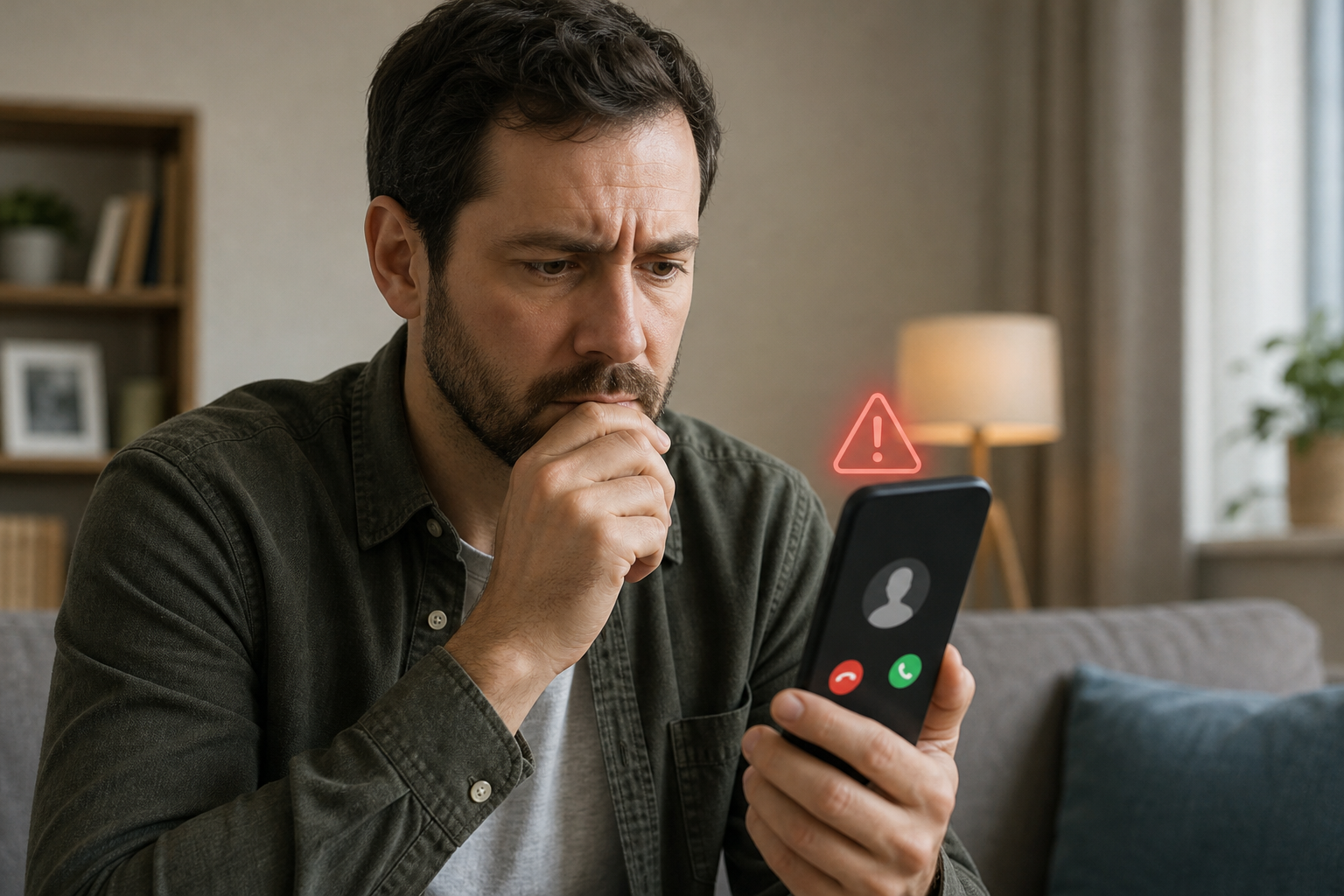
The FTC warns about callers threatening to deactivate phone numbers. Learn how the scam works, what to say, how to report it, and what to do if you shared information.

The Federal Trade Commission warned on October 22, 2026, about a scam in which callers pretend to be FTC officials and claim that a phone number registered in your name is connected to criminal activity. They may threaten to deactivate the number, transfer you to a fake police officer, demand personal information, and eventually ask for money to avoid arrest or a supposed security deposit.
None of those threats are legitimate. The FTC says its employees will not threaten to disconnect your phone, ask you to send money, tell you to keep the conversation secret, or connect you with someone who demands payment.
If you receive this kind of call, the safest response is simple: hang up. Do not argue, press buttons, call back, or use a phone number the caller gives you.
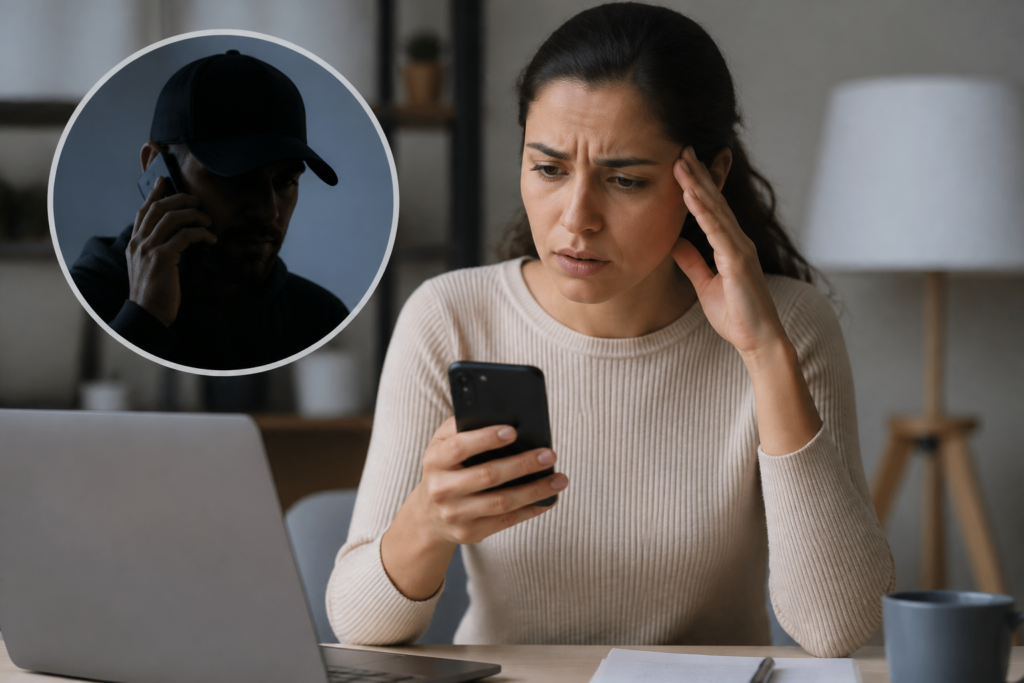
The caller may begin with details meant to sound official. They could claim to know your name and phone number, read out a fake badge number, or say your number was used in scams overseas. The goal is to make the situation feel urgent before you have time to check the story.
Next, the caller may transfer you to someone posing as a police officer or another government official. In some cases, the scammers may even tell you what to search online and provide a phone number that appears to belong to a real police department. That does not verify the call. The number, search result, or person answering may be controlled by the same fraud operation.
After building a false sense of authority, the scammers may ask for a driver’s licence, passport details, Social Security number, date of birth, banking information, account passwords, or one-time verification codes. They may also insist that you keep the conversation private.
That combination of threats, secrecy, and pressure is a major warning sign. Government agencies do not use a surprise phone call to force you to pay money or surrender sensitive information.
Reporting will not restore a phone call or immediately stop every scammer, but it gives investigators information about patterns, phone numbers, and impersonation tactics. The FTC is the main reporting destination for this specific scam.
When you report the incident, include the caller’s claimed agency, the number shown on your phone, any number they told you to call, the date and time, what information they requested, and whether you sent money or documents.
You can also report the call to the Federal Communications Commission. The FCC says complaints about unwanted calls and caller-ID spoofing help inform enforcement and policy work, although the agency generally does not resolve individual unwanted-call complaints.
File an FCC complaint about the callFor an FCC complaint, select the phone category and the option for unwanted calls or texts. Include the displayed caller ID number, the number that received the call, the time and time zone, the name used by the caller, and any screenshots or recordings you lawfully retained.
Do not assume the damage is unavoidable. Move quickly and focus first on the information you disclosed.
IdentityTheft.gov can create an FTC Identity Theft Report and a recovery plan when someone misuses your personal information. It also explains how to contact businesses, place a fraud alert, review credit reports, and dispute fraudulent accounts.
Start identity-theft recovery stepsIf the caller installed software, asked for remote access, or had you change security settings, disconnect the device from the internet and contact the device maker, carrier, or a trusted technician through a verified support channel. Do not use a support number supplied by the caller.
The October 22 alert describes a U.S. FTC impersonation pattern, but similar government-imposter calls can target Canadians. A caller claiming to represent a Canadian agency should not be trusted simply because the caller ID displays a government name or a local number.
Canadian residents should hang up, avoid sharing information, and report suspected fraud to the Canadian Anti-Fraud Centre or local police. The CRTC also advises Canadians to report suspicious calls that impersonate government representatives and provides separate complaint options for unwanted telemarketing calls.
Report suspected fraud in CanadaFor a suspected fraud, use the Canadian Anti-Fraud Centre route rather than treating the call as an ordinary telemarketing complaint. If you are unsure whether your phone service or account has been affected, contact your carrier through its official app, website, or billing statement.
The FTC has confirmed the scam pattern, but it has not announced that a phone number can be disconnected through this type of enforcement call. If your service actually stops working, contact your carrier through a verified channel and ask whether there is an account, technical, billing, or SIM-related issue. Do not assume the caller was telling the truth.
The practical rule is straightforward: a surprise caller who claims to be from the FTC, threatens to deactivate your number, demands secrecy, or asks for money is not following a legitimate government process. Hang up, preserve the evidence, and report the attempt.
A. Not through a surprise phone call like the one described in this scam. The FTC says its employees will not threaten to disconnect your phone number or demand money to prevent it.
A. Caller ID is not proof of identity because scammers can spoof numbers and names. End the call and find contact information independently through a known official website, a statement, or an official app.
A. No. The number may be part of the scam, even if someone answers and confirms the caller’s story. Save the information and report it through the FTC or the appropriate Canadian reporting channel.
A. Stop communicating with the caller and watch for follow-up calls, texts, emails, or account-reset requests. Your name and phone number alone do not prove that an account was compromised, but they can be used to make later impersonation attempts sound more convincing.
A. The FTC alert is a U.S. consumer warning. Canadians should report suspected fraud to the Canadian Anti-Fraud Centre or local police and use CRTC complaint channels for applicable unwanted telemarketing calls.










FDA Infant Formula Standards Proposal: What Parents Need to Know About Nutrient Changes and the Comment Deadline