Welcome to KnowHow Daily!
Practical guides, money-saving tips, tech solutions, government benefits, and useful information for everyday life.
Welcome to KnowHow Daily!
Practical guides, money-saving tips, tech solutions, government benefits, and useful information for everyday life.

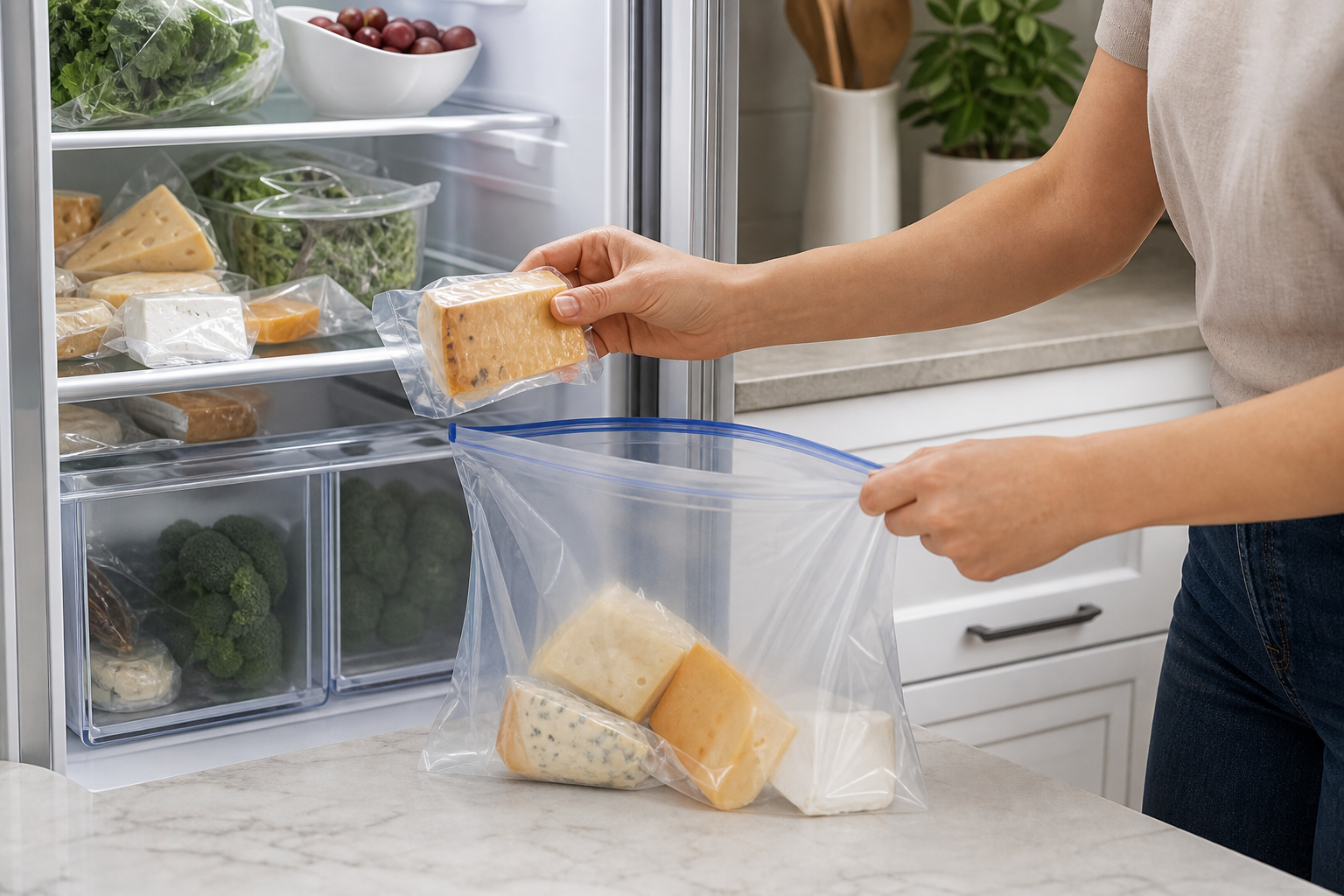
The FDA and CDC are investigating an E. coli outbreak linked to Graziers raw milk cheese. Learn which varieties are recalled, how to dispose of them, clean surfaces, and recognize symptoms.

The FDA and CDC are investigating a multistate outbreak of E. coli O26:H11 infections linked to Sierra Nevada Cheese Company’s Graziers grass-fed raw milk cheeses. The company began recalling all Graziers raw milk cheeses on September 24, 2026, after the FDA contacted the firm about the outbreak.
As of the FDA’s September 25 update, 13 people were sick, eight had been hospitalized, and three had developed hemolytic uremic syndrome, or HUS, a serious complication that can affect the kidneys. No deaths had been reported. Cases had been identified in California, Colorado, Georgia, Kentucky, Michigan, Nevada, Oregon, Tennessee, and Utah. The product was distributed nationwide in the United States and sold both in stores and online.
The investigation is still active. Federal and state officials are working to determine the source of contamination and whether any additional products could be affected.
View the FDA Graziers raw milk cheese outbreak investigation
The recall includes these Sierra Nevada Graziers grass-fed raw milk cheese varieties:
| Variety | Retail packaging | Food-service packaging |
|---|---|---|
| Medium cheddar | 8-ounce or 16-ounce packages | 5-pound loaves |
| Sharp cheddar | 8-ounce or 16-ounce packages | 5-pound loaves |
| Jalapeño jack | 8-ounce or 16-ounce packages | 5-pound loaves |
| Monterey jack | 8-ounce or 16-ounce packages | 5-pound loaves |
The FDA says all Graziers raw milk cheeses are covered by the recall, so consumers should not rely only on a lot code, expiration date, or package size to decide whether a product is safe.
If you purchased one of these cheeses, do not taste it, serve it, or use it in cooking. Consumers may return recalled cheese to the place of purchase for a refund. Restaurants, retailers, wholesalers, and other food-service businesses should remove the products from sale and service immediately.
Check the official FDA recall and product instructionsDo not give the recalled cheese to pets or attempt to make it safe by melting, baking, or cooking it. Heating may reduce some foodborne risks, but the official instruction for this recalled product is to discard it or return it.
Cheese can leave bacteria on cutting boards, knives, plates, counters, refrigerator shelves, food containers, and other surfaces. After removing the product, wash items that may have touched it with hot, soapy water. Items that are dishwasher-safe can go through the dishwasher.
For hard kitchen surfaces, clean first and then sanitize using a product labeled for use on food-contact surfaces. Follow the product label for dilution, contact time, and rinsing instructions. Launder cloth towels used during cleanup, and wash your hands again when you finish.
Businesses and food-service operators should also clean and sanitize equipment, prep areas, storage containers, and surfaces that may have contacted the recalled cheese. Repackaged cheese should not be sold or served.
Symptoms can begin a few days after eating contaminated food and, according to the FDA, may appear as late as nine days afterward. Common symptoms include severe stomach cramps, diarrhea, fever, nausea, and vomiting. Shiga toxin-producing E. coli infections can cause bloody diarrhea and may lead to HUS.
Contact a healthcare provider promptly if you ate recalled Graziers cheese and develop symptoms. The CDC says to seek care right away for:
Children age 5 and younger are at higher risk of severe foodborne illness, and the CDC says more than half of the sick people in this outbreak are children in that age group. Older adults, pregnant people, and anyone with a weakened immune system should also contact a healthcare professional if they develop concerning symptoms.
Do not wait for symptoms to become severe if you are worried about possible exposure. A clinician can decide whether testing, monitoring, or additional treatment is appropriate. If someone has severe dehydration, becomes confused, or appears seriously ill, seek emergency medical care.
Federal investigators have linked the outbreak to Sierra Nevada Graziers grass-fed raw milk cheese based on the available epidemiologic evidence. The FDA reports that all nine interviewed ill people who had food-history information reported consuming this brand of cheese.
That does not mean every package or every piece of cheese caused illness, and the agencies have not announced the specific point where contamination occurred. The FDA is continuing its investigation and may update the product list, case count, or consumer instructions as more information becomes available.
The current federal notice identifies nationwide distribution in the United States. It does not establish that the products were sold in Canada or announce a separate Canadian recall. Canadian shoppers should not assume that a similar-looking raw milk cheese is part of this recall without checking the product name and official notices for their province or territory.
The outbreak investigation is ongoing, and the FDA says the advisory will be updated if investigators identify additional affected products or new safety information. For now, the practical action is straightforward: do not eat, sell, or serve any recalled Graziers raw milk cheese; remove it from your refrigerator or freezer; clean surfaces and containers it touched; and seek medical advice if symptoms appear after possible exposure.
A. No. The FDA and CDC say not to eat, serve, or sell the recalled Graziers raw milk cheeses. Do not try to make the product safe by melting or cooking it; discard it or return it to the place of purchase.
A. Monitor yourself for symptoms for up to nine days after eating it, including severe cramps, diarrhea, fever, nausea, or vomiting. Contact a healthcare provider if symptoms develop, especially bloody diarrhea, dehydration, persistent diarrhea, or vomiting that prevents you from drinking fluids.
A. Not automatically. Remove the recalled cheese and clean and sanitize shelves, containers, utensils, cutting boards, and other surfaces it touched. If another food was directly contaminated or cannot be safely separated from the recalled product, discard it.
A. The current FDA and CDC notices describe nationwide distribution in the United States. They do not announce a separate Canadian recall or confirm Canadian distribution. Canadian consumers should check official Canadian and provincial food-recall notices if they purchased the product.








FDA Infant Formula Standards Proposal: What Parents Need to Know About Nutrient Changes and the Comment Deadline