Welcome to KnowHow Daily!
Practical guides, money-saving tips, tech solutions, government benefits, and useful information for everyday life.
Welcome to KnowHow Daily!
Practical guides, money-saving tips, tech solutions, government benefits, and useful information for everyday life.

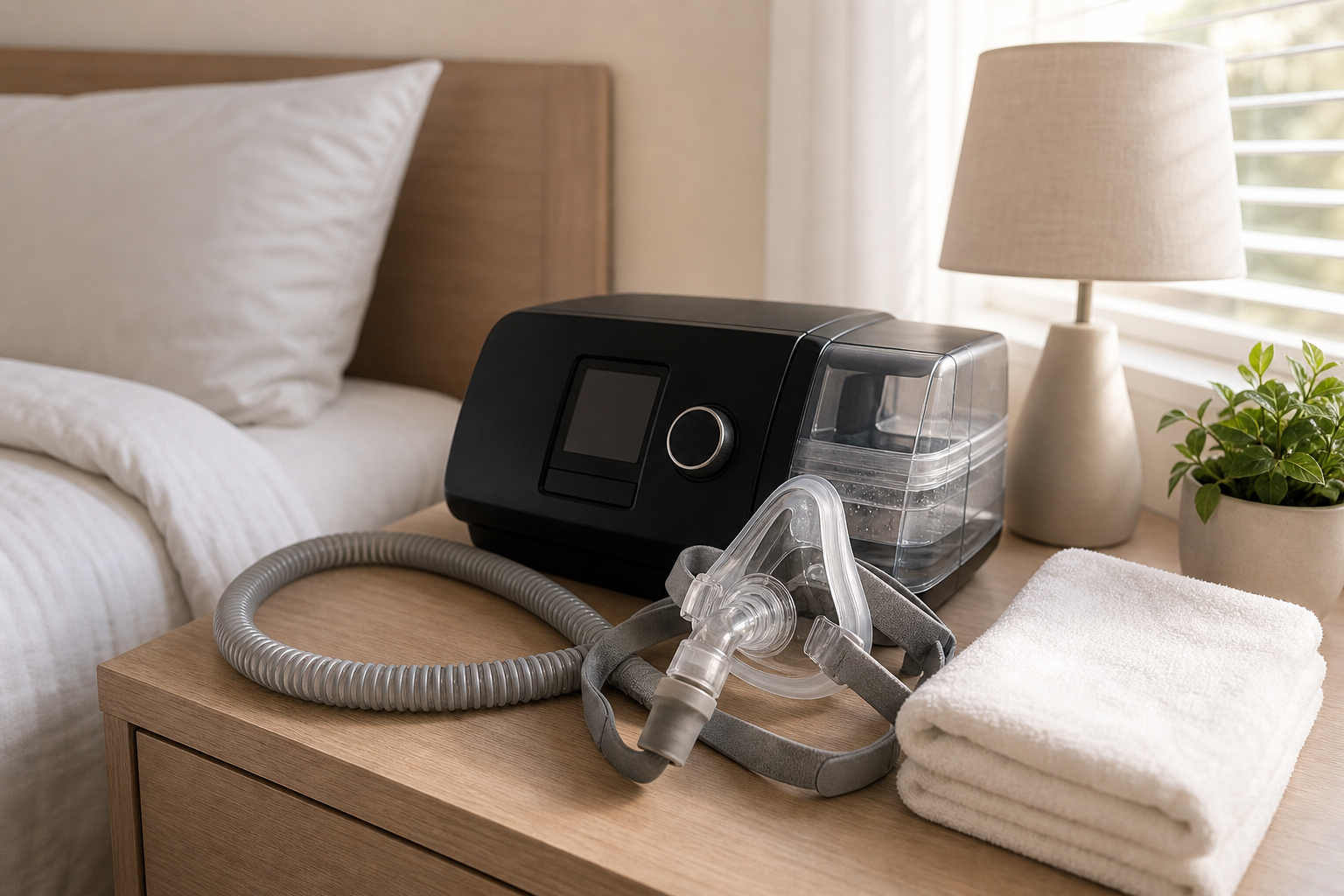
Follow a practical CPAP cleaning and replacement schedule for masks, tubing, filters, humidifier chambers, and the machine itself, including signs to call your provider.
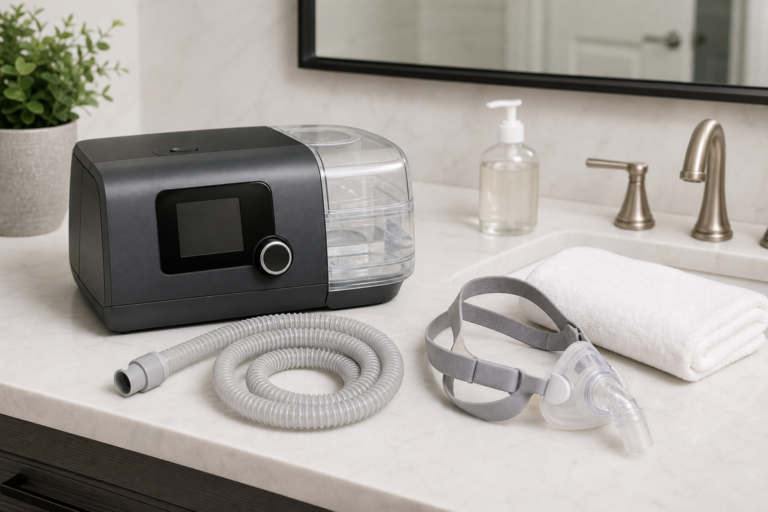
A clean CPAP setup is easier to tolerate, helps the mask seal properly, and reduces the chance that skin oil, dust, moisture, and residue will interfere with therapy. The simplest routine is to clean the parts that touch your face most often after each use, wash the larger components weekly, and inspect everything before putting it back together.
There is one important distinction: cleaning and replacement are not the same thing. Washing a cushion does not restore silicone that has become stretched or cracked, and rinsing tubing will not repair a small tear. Use the schedule below as a starting point, then give priority to your machine and mask user guides, your sleep clinician’s instructions, and your equipment supplier’s replacement policy.
Wash the part that touches your skin after each use. Use warm water and a small amount of mild, fragrance-free soap or mild detergent unless your mask manual gives different instructions. Rinse thoroughly and let it air-dry away from direct sunlight and heat.
Cleaning the cushion helps remove facial oils that can weaken the seal. If the mask begins leaking even after you adjust it while lying down with the machine running, the cushion may be worn rather than dirty.
Empty leftover water each morning, rinse the chamber, and let it dry. Refill it with the type of water specified in your device manual. Some machines require distilled water, while certain cleanable chambers allow potable drinking-quality water.
Do not leave old water sitting in the chamber for days. Moisture and warmth can encourage residue and microbial growth, and minerals can gradually cloud or damage the chamber.
Before using the equipment, look for cracks, pinholes, discoloration, unusual odors, loose connections, and blocked mask vents. Check that the tubing is firmly attached and that the mask is not visibly damaged.
Once a week, unplug the machine and wash the parts that can be removed according to the product instructions. For many systems, that means the air tubing, water chamber, mask frame, and headgear. Use warm water and mild soap, rinse away all residue, and allow the parts to air-dry completely away from direct sunlight.
Wipe the outside of the machine with a clean, slightly damp cloth. Do not immerse the machine, pour water into the motor housing, or use a dishwasher or washing machine unless the manufacturer specifically says a particular component is dishwasher-safe.
Headgear usually does not need to be washed after every use, but weekly cleaning can remove sweat and skin oils. Avoid bleach, alcohol, scented oils, essential oils, strongly perfumed cleaners, and abrasive products. Residue can irritate the skin or airways and may damage mask materials.
The table below combines common U.S. manufacturer and Medicare replacement intervals. These are planning guidelines, not a promise that insurance will pay for a replacement on that exact date. Private insurance, Medicare Advantage plans, provincial or private Canadian coverage, and individual equipment suppliers may use different rules.
| Part | Common planning interval | Replace sooner when… |
|---|---|---|
| Disposable air filter | About monthly, or according to the machine manual | It is gray, dusty, damp, torn, or visibly blocked |
| Mask cushion or nasal pillows | About monthly | The seal worsens, silicone is cloudy or soft, or leaks continue after adjustment |
| Full-face mask cushion | Often monthly, depending on condition | It is stretched, cracked, uncomfortable, or difficult to clean |
| Mask frame | About every three months | It is cracked, loose, discolored, or no longer holds the cushion correctly |
| Air tubing | About every three months | It has holes, tears, stiffness, discoloration, or persistent condensation-related damage |
| Headgear or chin strap | About every six months | The straps are stretched and no longer keep the mask positioned |
| Humidifier water chamber | About every six months | It is cloudy, cracked, pitted, leaking, or has mineral buildup that will not come off |
| CPAP, APAP, or bilevel machine | Often around five years, but device life varies | It makes unusual noises, shuts off, displays errors, or no longer delivers reliable therapy |
These intervals are not a reason to discard a safe, functional part early, but they are useful reminders to inspect equipment before a small problem becomes a therapy interruption. Conversely, waiting for the calendar date is not necessary if a component is damaged or no longer working properly.
Leaks are one of the most common clues. A leak may come from an incorrectly positioned mask, a worn cushion, stretched headgear, a loose connection, or damaged tubing. Try reseating the mask while lying down with the machine on. If the leak continues, inspect the cushion, elbow, tubing, and frame rather than simply tightening the straps.
Replace the part if you see cracks, tears, holes, permanent cloudiness, unusual stickiness, warping, or deterioration. A water chamber that leaks should be replaced promptly because moisture can reach places it should not. A filter that looks dirty or damp should not be washed and reused unless it is specifically labeled as a reusable filter.
Your machine itself does not usually need a routine annual service in the same way a car does. It does need regular cleaning, inspection, and professional attention when it malfunctions. Ask your equipment provider or sleep clinician about service if the device repeatedly shuts off, shows error messages, makes a new grinding or whistling sound, smells unusual, or appears to deliver inconsistent pressure.
Plain soap and water are usually the safest default, but the exact instructions depend on the mask and machine. Avoid bleach, alcohol, harsh disinfectants, scented cleaners, essential oils, and abrasive brushes unless the manufacturer specifically approves them.
Be cautious with ozone and ultraviolet cleaning devices. The FDA says ozone and UV products are not FDA-authorized to clean, disinfect, or sanitize CPAP machines and accessories. The FDA has also warned about possible ozone exposure and advises users to follow the CPAP manufacturer’s cleaning instructions. Some manufacturers warn that repeated ozone exposure can damage equipment or affect warranty coverage.
Do not change pressure settings or attempt to repair the motor yourself. Pressure changes should be handled by the prescribing clinician or qualified equipment provider.
Cleaning and replacing supplies can solve some comfort problems, but not every CPAP problem is a maintenance issue. Contact your provider if the mask continues to leak, you cannot tolerate the pressure, you develop persistent nasal or skin irritation, or you remain unusually sleepy despite using the device.
Stop using the machine and contact your healthcare provider promptly if you experience stomach pain or bloating while using PAP therapy. Seek urgent medical care for severe breathing difficulty, chest pain, fainting, or symptoms that feel like an emergency.
A practical decision rule is simple: clean reusable parts regularly, inspect them every time you use them, replace damaged or worn components without waiting, and confirm the covered replacement schedule with your equipment supplier before ordering supplies.
A. Yes. Wash new mask components, tubing, headgear, and water chambers according to the manufacturer’s instructions before first use. Rinse thoroughly and let them air-dry so manufacturing residue, packaging dust, or odors are less likely to irritate your skin or airways.
A. CPAP wipes may be useful for some mask cushions when the product instructions allow them, but they do not replace regular washing of the mask and other components. Use unscented wipes made for CPAP equipment and avoid household disinfecting wipes unless the manufacturer specifically approves them.
A. There is no universal annual service interval for every CPAP, APAP, or bilevel machine. Follow the device manual, keep the exterior and removable parts clean, and contact your equipment provider if the machine develops unusual noise, error messages, shutdowns, odors, or inconsistent therapy.
A. No. An insurance schedule usually describes when a replacement may be covered, not when a safe part must be discarded. Replace equipment sooner if it is damaged or worn, and confirm coverage with your insurer or equipment supplier before requesting new supplies.