Welcome to KnowHow Daily!
Practical guides, money-saving tips, tech solutions, government benefits, and useful information for everyday life.
Welcome to KnowHow Daily!
Practical guides, money-saving tips, tech solutions, government benefits, and useful information for everyday life.

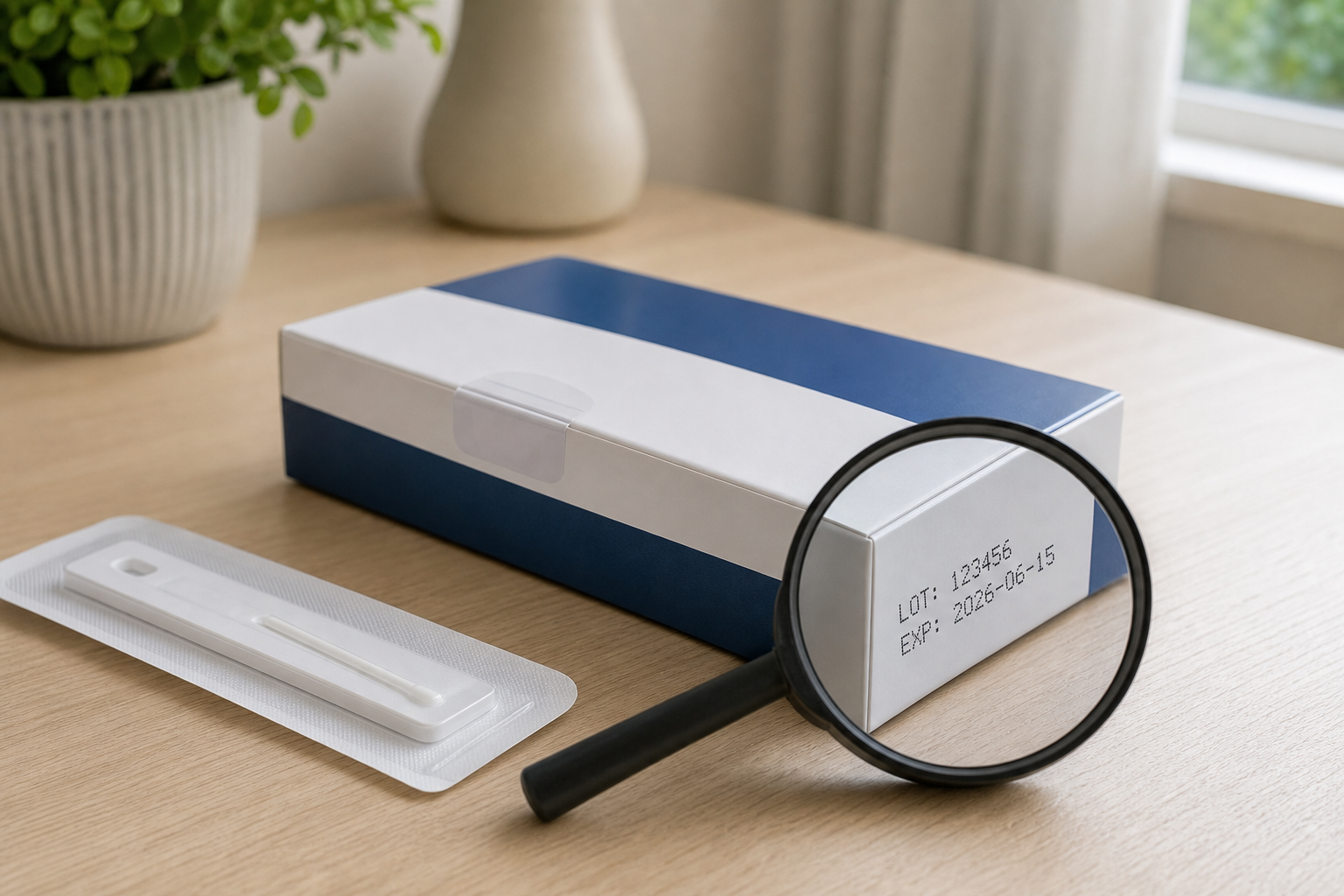
Learn how to check an at-home COVID-19 test’s printed expiration date, lot number, FDA shelf-life extension, storage conditions, and repeat-testing guidance.
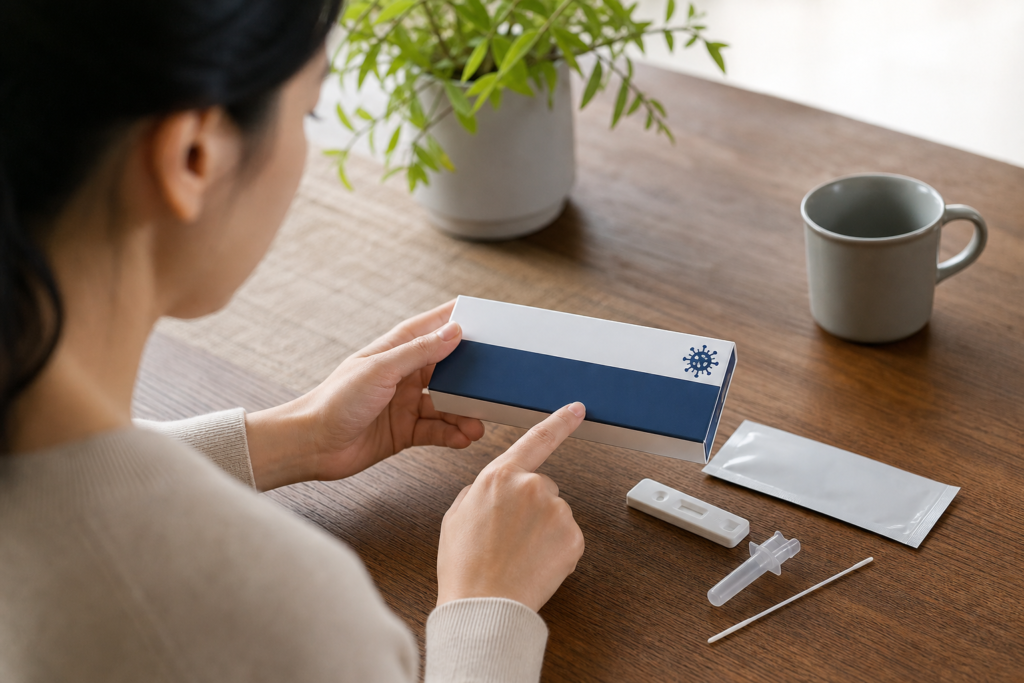
If you have a rapid COVID-19 test in a drawer, don’t rely only on the date printed on the box. Some FDA-authorized at-home tests received shelf-life extensions after additional stability data became available. That means a kit marked “expired” may still have a later authorized expiration date—but only if its exact test and lot number match the FDA’s records.
The key distinction is simple: a shelf-life extension is not a blanket extension for every box of the same brand. It can apply only to certain lots, and the updated date may vary by lot. Before using an older test, check the manufacturer, test name, lot number, and current expiration date.
Use the FDA’s At-Home OTC COVID-19 Diagnostic Tests table to search for the test and review its expiration information.
Check the FDA’s At-Home OTC COVID-19 Diagnostic Tests table
Look at the front, side, or back of the box. Write down the test’s full name and manufacturer, not just the retailer’s name. A store-brand test may be manufactured by another company, and several tests have alternate brand names.
If the box is missing, check the individual test packaging and the instructions. Keep the components together when possible. Do not mix the swab, liquid tube, test strip, or other parts from different kits unless the instructions specifically say they are interchangeable.
The lot number may be printed on the outer box, an individual foil pouch, or another package label. It may appear beside terms such as “LOT,” “Lot No.,” or “Batch.” Copy it carefully, including letters, numbers, and hyphens.
The lot number matters because two boxes with the same test name can have different expiration dates. If you cannot identify the lot, you may not be able to confirm an extension reliably.
On the FDA’s at-home test page, use the page’s search function to look for the manufacturer or test name. Review the matching entry and look for an “Extended Expiration Date” document or lot-specific information.
Compare the lot number on your kit with the lot numbers listed by the FDA. Then compare the original printed date with the extended date shown for that lot. Use the later date only when the test name, manufacturer, and lot information all match.
The FDA table also includes the authorized use, test type, age information, instructions, and stated shelf life for many products. Those details can help you avoid using a test outside its authorized directions.
A shelf-life extension means regulators reviewed additional stability information showing that a product may remain suitable for use beyond the date originally printed on its packaging under the required storage conditions. It does not mean the test is usable indefinitely.
Extensions are often based on stability data collected after a test was first authorized. The FDA may update the authorized expiration date as more data becomes available. Because the change can be product- and lot-specific, an extension for one test does not automatically apply to another brand or a different lot.
Do not use an older test simply because someone says the brand received an extension. Confirm the specific lot through the FDA’s table in the United States or through the manufacturer and Health Canada guidance in Canada.
Set the kit aside if any of the following apply:
Storage matters because rapid tests contain chemical components that can be affected by heat, cold, moisture, or prolonged sunlight. Follow the storage range printed in the test’s instructions. Do not assume that a test stored in a very hot or freezing location is reliable just because its date has not passed.
In the United States: the FDA maintains a searchable table of authorized at-home over-the-counter COVID-19 tests, including expiration information and lot-specific extensions. Use that table when your test was authorized for the U.S. market.
In Canada: Health Canada says rapid tests have an authorized shelf life and that some products have received shelf-life extensions. The recommended approach is to check the manufacturer’s information for your specific test and follow the Canadian product labeling. A U.S. FDA extension should not automatically be treated as a Canadian authorization for the same product.
If you are in Canada and cannot confirm the current date through the package instructions or manufacturer, contact the manufacturer before relying on the test. Health Canada’s information on COVID-19 test supply explains why expiry dates may change after products have been distributed.
Check Health Canada’s COVID-19 Test Supply informationEven a properly stored, unexpired rapid antigen test can miss an infection, particularly early in illness. A negative result is not proof that you do not have COVID-19.
For people with symptoms, the FDA and CDC recommend repeating an antigen test 48 hours after the first negative result. For people without symptoms, repeat testing is generally recommended twice more, with each test 48 hours apart, for a total of three tests. Follow the specific instructions for your test as well.
If you have symptoms and a negative result, consider staying away from people who may become seriously ill, and contact a healthcare professional if symptoms worsen or you need advice about another illness. People at higher risk for severe COVID-19 may need prompt medical advice because treatment works best when started early.
If you cannot verify the test’s expiration date or condition, use a newer authorized test instead. When the result could affect treatment, work, school, travel, or contact with a high-risk person, do not treat an uncertain or questionable kit as your only source of information.
A. Only if an official source confirms a later expiration date for that exact test and lot number. In the United States, check the FDA’s authorized at-home test table. If no matching extension is listed, do not use the test after its confirmed expiration date.
A. No. An extension may apply only to specific lots, and different lots can have different dates. Match the manufacturer, test name, and lot number before using the extended date.
A. Do not assume it is reliable. Check the storage requirements in the test instructions. If the kit was exposed to conditions outside that range, use a replacement test when possible, especially if the result will affect treatment or contact with someone at high risk.
A. For people with symptoms, current U.S. guidance recommends two antigen tests 48 hours apart. For people without symptoms, three tests 48 hours apart are generally recommended. Follow the package instructions and contact a healthcare professional if symptoms worsen or you remain concerned.