Welcome to KnowHow Daily!
Practical guides, money-saving tips, tech solutions, government benefits, and useful information for everyday life.
Welcome to KnowHow Daily!
Practical guides, money-saving tips, tech solutions, government benefits, and useful information for everyday life.

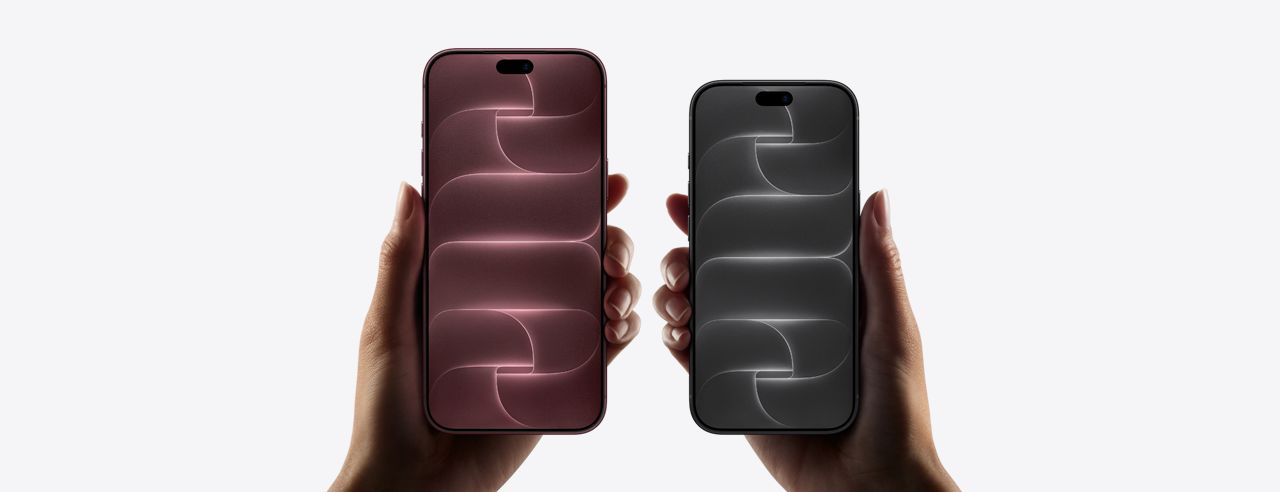
Compare iPhone 18 Pro and iPhone 18 Pro Max availability, prices, cameras, battery life, storage, eSIM rules, and upgrade value in the U.S. and Canada.
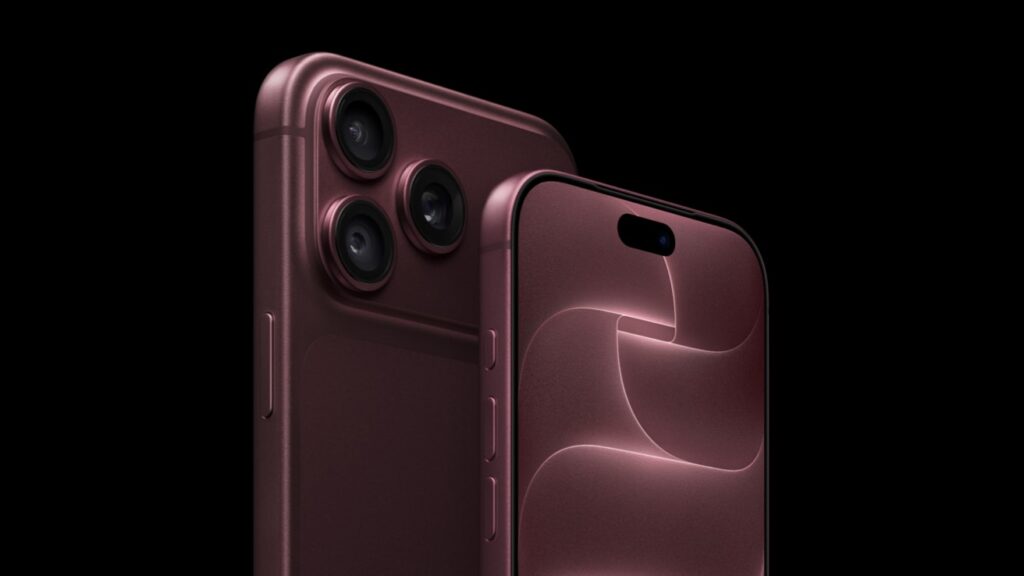
For most people, the iPhone 18 Pro is the better value. It gives you the same A20 Pro chip, the same Pro camera system, the same variable-aperture main camera, and the same core software features as the Pro Max in a smaller body. It also starts at a lower price.
The iPhone 18 Pro Max makes more sense if you regularly spend long days away from a charger, watch a lot of video, play demanding games, edit media, or simply prefer a large phone. Its 6.9-inch display and larger battery are the main reasons to pay more—not a faster processor or a fundamentally different camera system.
Apple announced the lineup on September 9, 2026, and availability began Friday, September 18, in the United States, Canada, and other launch markets. Both models are available in black, silver, glacier, and burgundy.
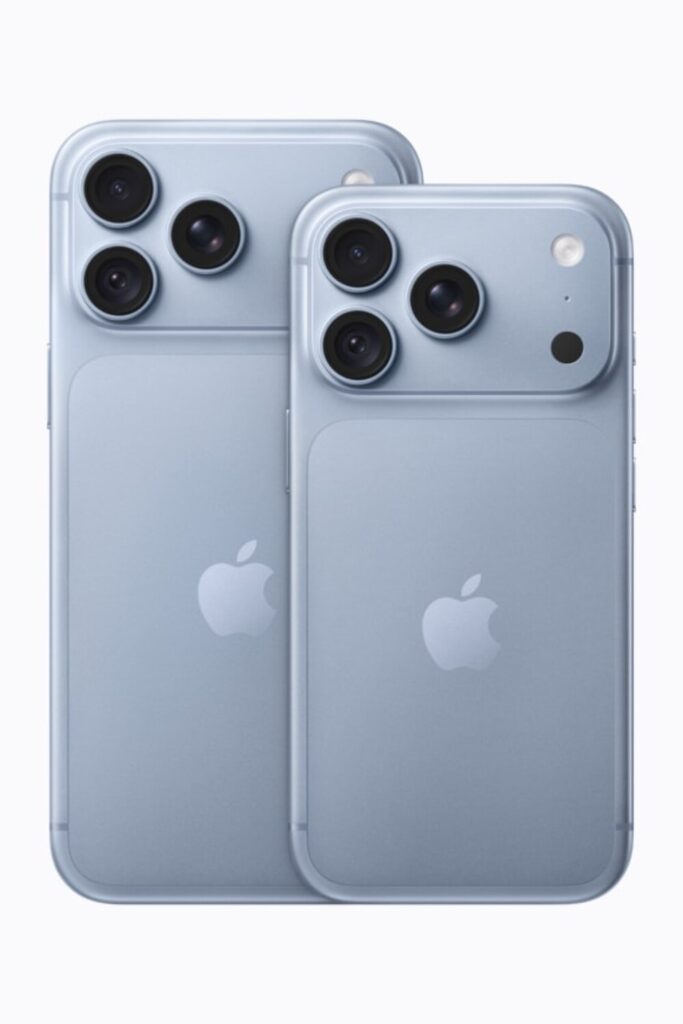
This is a like-for-like comparison between the 2026 iPhone 18 Pro and iPhone 18 Pro Max. Both models use the A20 Pro chip, a 48MP Pro Fusion camera system, ProMotion displays, Apple Intelligence, Siri AI, Camera Control, and the same four finishes.
The important differences are physical size, battery capacity, display size, weight, and starting price. Storage is available in 256GB, 512GB, 1TB, and 2TB configurations, so the price gap can become much larger when you choose a higher-capacity model.
| Feature | iPhone 18 Pro | iPhone 18 Pro Max |
|---|---|---|
| Display | 6.3-inch Super Retina XDR with ProMotion | 6.9-inch Super Retina XDR with ProMotion |
| Chip | A20 Pro | A20 Pro |
| Main camera | 48MP Fusion Main with variable aperture | 48MP Fusion Main with variable aperture |
| Other cameras | 48MP Fusion Ultra Wide and 48MP Fusion Telephoto | 48MP Fusion Ultra Wide and 48MP Fusion Telephoto |
| Front camera | 18MP Center Stage | 18MP Center Stage |
| Storage | 256GB, 512GB, 1TB, or 2TB | 256GB, 512GB, 1TB, or 2TB |
| Battery advantage | Smaller and easier to carry | Apple rates it for up to 45 hours of video playback |
| U.S. starting price | $1,199 | $1,299 |
| Canada availability | Available through Apple Canada; the lineup starts at C$1,749 | |
Apple’s battery figures are laboratory estimates, not a promise of the same result in everyday use. Streaming over cellular, gaming, camera use, navigation, screen brightness, and weak network coverage can all reduce runtime.
The most meaningful camera change is the new 48MP Fusion Main camera with variable aperture. Instead of using one fixed aperture, the camera can adjust between four aperture settings to balance light intake and depth of field.
For everyday photos, that should help in two practical ways: better control in low light and more flexibility when you want a sharper background or a more pronounced subject separation. Apple also says the new system improves detail in group photos and low-light video.
Both Pro models receive the same camera hardware and the same Pro controls. That means the Pro Max is not automatically the better camera phone. Choose it for the larger viewing area while composing and editing, not because it has a different main camera.
Both phones use Apple’s A20 Pro chip with a next-generation vapor chamber. Apple says the design is intended to sustain performance during demanding workloads such as gaming, on-device AI, video processing, and other intensive tasks.
For ordinary use—messages, photos, web browsing, social apps, and streaming—the two models should feel essentially the same. The Pro Max does not provide a faster version of the chip, so buying it for speed alone would not make much sense.
Both models also support Apple Intelligence and Siri AI through iOS 27. Siri AI is rolling out in beta and availability can vary by language, region, and feature. If AI is your main reason to upgrade, check that the specific functions you want are available in your language and country before buying.
The Pro Max is the battery choice. Apple rates it for up to 45 hours of video playback and up to 30 hours of use per charge under its testing model. It also supports a quick top-up of up to seven hours of video playback after five minutes of wired charging when used with compatible charging equipment.
The trade-off is size. A 6.9-inch phone is excellent for video, reading, maps, gaming, and photo editing, but it can be awkward one-handed and less comfortable in a pocket. The 6.3-inch iPhone 18 Pro is easier to carry and handle, especially if you are moving between apps or taking photos with one hand.
Both models support faster wired charging, reaching up to 50 percent in around 15 minutes with a compatible power adapter. The charger is an additional purchase if you do not already have suitable USB-C charging equipment.
In the United States, the iPhone 18 Pro starts at $1,199 and the iPhone 18 Pro Max starts at $1,299 before tax. That $100 difference applies to the entry-level comparison, but storage can change the decision quickly. Both models go as high as 2TB, and the larger capacities cost substantially more than the base configuration.
Check Apple Trade In value in the United States
In Canada, Apple lists the iPhone 18 Pro lineup from C$1,749. Canadian pricing, sales tax, carrier financing, trade-in credits, and inventory can differ from the United States, so compare the exact model and storage size in the Canadian store before placing an order.
Check Apple Trade In value in Canada
Remember to include AppleCare, a case, a charging adapter if needed, and any carrier financing costs. A carrier promotion may reduce the monthly payment, but it can also require a specific plan, trade-in condition, or multi-year commitment.
Apple sells the U.S. iPhone 18 Pro models with eSIM-only activation and no physical SIM tray. An iPhone purchased directly from Apple is generally unlocked, although carrier-financed devices can remain locked until the financing agreement is paid in full.
Apple’s U.S. store currently offers carrier-connected options for AT&T, T-Mobile, and Verizon, along with a “Connect to a carrier later” option. Carrier promotions can be valuable, but read the eligibility requirements carefully before assuming the advertised credit will apply.
Check iPhone eSIM carrier support
Shop iPhone 18 Pro and iPhone 18 Pro Max in the United States
Canadian buyers should select the Canadian Apple Store or a Canadian carrier so the price, financing, warranty terms, taxes, and available cellular features match their market. If you are importing a U.S. model, confirm eSIM support with your Canadian carrier before buying.
Apple Canada offers trade-in credit toward eligible iPhone purchases. The final amount depends on the phone model and condition, so treat the estimate as a quote to verify rather than guaranteed cash value.
Shop iPhone 18 Pro and iPhone 18 Pro Max in Canada
The upgrade is easier to justify. You gain the variable-aperture camera, a newer chip, improved sustained performance, newer AI features, faster charging, and the option of much larger storage. If your current battery health is declining or you frequently run out of space, the practical improvement will be more noticeable.
The case is more specific. The camera changes and battery improvements may be worthwhile for photographers, travelers, creators, and heavy users, but everyday messaging and browsing will not suddenly feel transformed. Consider upgrading if you can get a strong trade-in value or if your current phone no longer lasts through your normal day.
This is the hardest upgrade decision. The A20 Pro and new camera system are meaningful on paper, but the basic experience remains familiar. Upgrade when you specifically want variable aperture, longer battery life, more storage, or the newest Siri AI capabilities. Otherwise, keeping the iPhone 17 Pro for another year may be the smarter financial choice.
Back up your iPhone with iCloud
For most buyers, the iPhone 18 Pro is the sensible choice. The Pro Max earns its premium when its larger display and longer battery life solve a real daily problem—not simply because it is the biggest model.
A. Apple began availability on September 18, 2026, following pre-orders that started September 12. Availability and delivery timing can still vary by country, storage size, color, and seller.
A. Yes. Both models use the same 48MP Pro Fusion camera system, including the 48MP Fusion Main camera with variable aperture, 48MP Fusion Ultra Wide, and 48MP Fusion Telephoto. The Pro Max does not have a separate camera advantage.
A. It is worth considering if you value the 6.9-inch display and longer battery life. If you prefer a lighter, easier-to-handle phone, the standard iPhone 18 Pro offers the same chip and camera system for less.
A. U.S. models use eSIM-only activation, so your Canadian carrier must support eSIM. Confirm compatibility before importing one, and remember that warranty, financing, taxes, and return terms may differ from buying in Canada.
A. Choose 256GB for typical streaming, photos, and cloud use. Choose 512GB or more if you record large amounts of high-resolution video, keep media offline, or plan to keep the phone for several years.