Welcome to KnowHow Daily!
Practical guides, money-saving tips, tech solutions, government benefits, and useful information for everyday life.
Welcome to KnowHow Daily!
Practical guides, money-saving tips, tech solutions, government benefits, and useful information for everyday life.

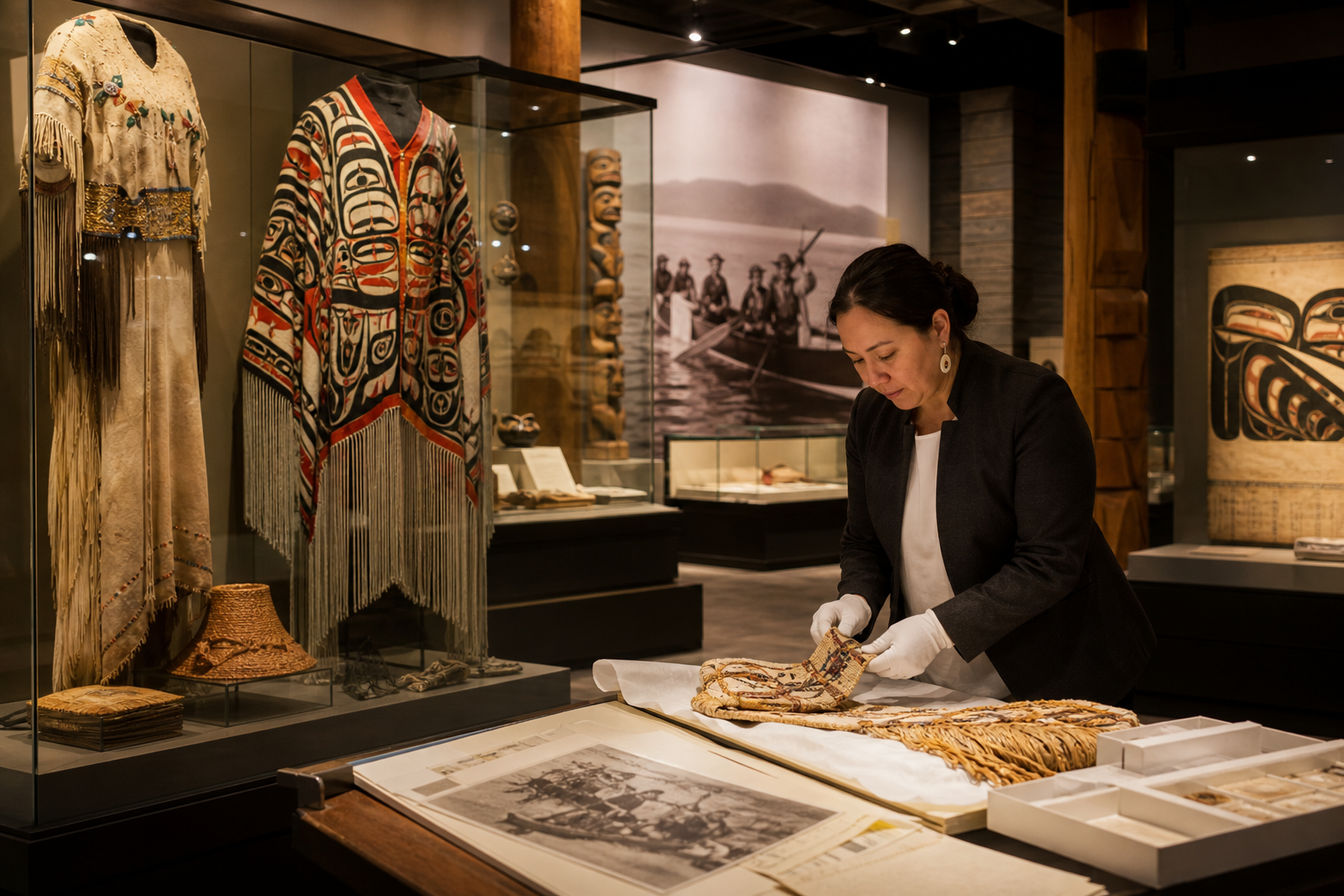
Learn who qualifies for Canada’s Indigenous Heritage funding intake, what projects may be eligible, what to prepare, and how to apply before November 2, 2026.
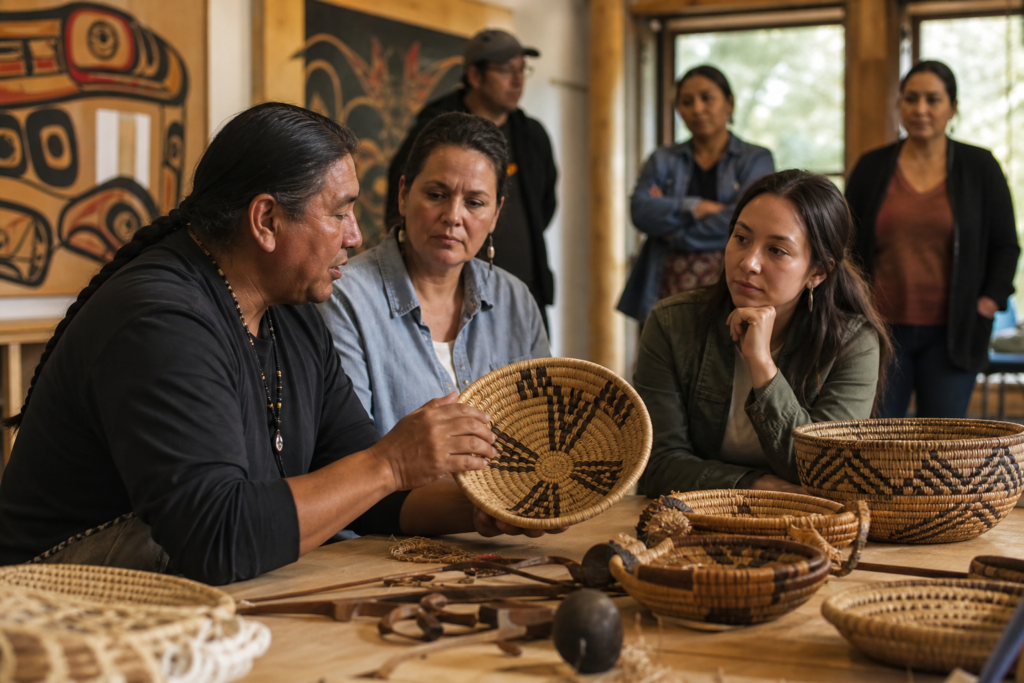
Canada’s Indigenous Heritage component is part of the federal Museums Assistance Program, or MAP. It supports eligible projects that preserve, manage, present, interpret, or improve access to Indigenous cultural heritage in Canada.
The current intake opened on September 8, 2026, at 8 a.m. Eastern Time. The deadline is November 2, 2026, at 4 p.m. Eastern Time. Although the intake occurs in 2026, the application guidelines describe it as the intake for 2027–2028 funding. That distinction matters when organizations prepare budgets, project timelines, and internal approvals.
This is project funding, not general operating support. A proposal needs a clear start and end date, defined activities, measurable results, and a reasonable plan for completing the work.
The program is Canadian. A United States organization cannot apply simply because its project relates to Indigenous heritage in North America; the applicant must meet the Canadian eligibility rules and be located within Canada.
The program identifies three broad applicant categories:
| Applicant type | Main requirements |
|---|---|
| Indigenous governing body or Indigenous organization | Must be located in Canada and have a mandate to preserve and support First Nations, Inuit, and/or Métis heritage. |
| Incorporated non-profit Canadian museum | Must employ at least one paid professional staff member, excluding students, and have policies for key museum functions. |
| Incorporated non-profit Canadian service organization | Membership must relate to the museum sector, and the organization must employ at least one paid professional staff member, excluding students. |
Museums governed by a provincial, territorial, or municipal government, or by an academic or cultural institution, may still qualify. They must have distinct objectives, programs, and budgets and must meet the applicable eligibility conditions.
Federal departments, Crown corporations, and federal agencies are not eligible for funding through this component.
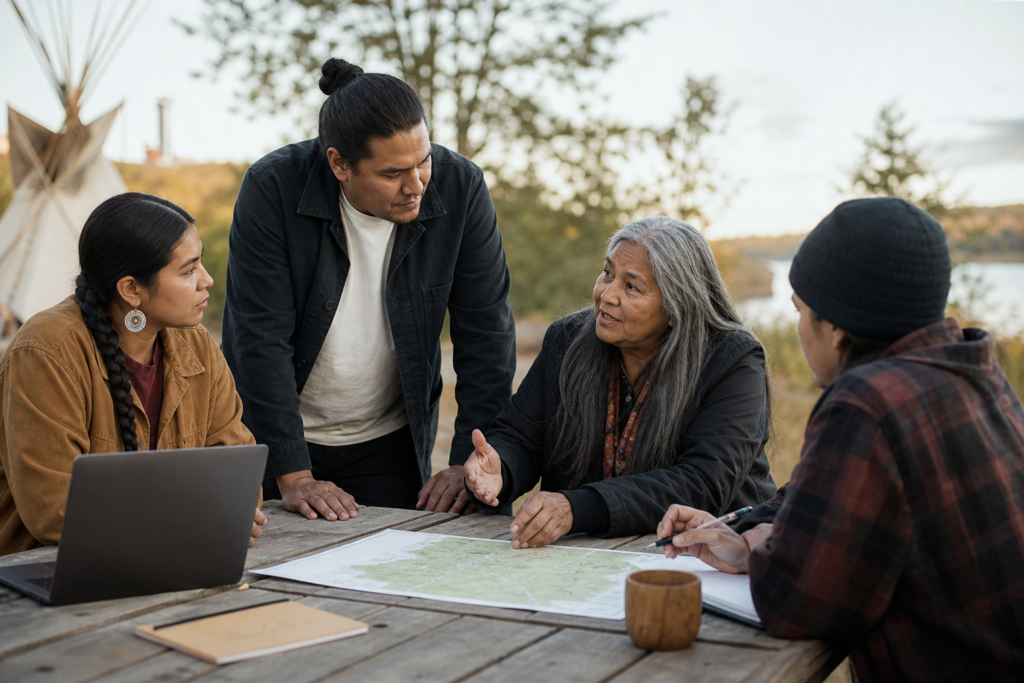
Funding priority is given to projects submitted by Indigenous organizations and carried out for the benefit of Indigenous communities. A non-Indigenous heritage organization is not automatically excluded, but its application must demonstrate a close collaboration or partnership with an Indigenous organization to be considered.
That partnership should be more than a general letter of support. A stronger application will explain who is involved, how decisions are made, what community needs the project addresses, and how Indigenous knowledge, authority, and participation are reflected throughout the work.
The Indigenous Heritage component can support a range of heritage activities, provided they are structured as eligible projects rather than ongoing operations. Examples listed in the program guidance include:
The program does not promise approval for any particular activity. Eligibility depends on the applicant, the project design, the expenses, the evaluation criteria, and the funds available.
The general Museums Assistance Program guide says the Indigenous Heritage and Access to Heritage components can fund up to 70% of eligible expenses, to a maximum of $600,000 over three years per project. Those figures are maximum program parameters, not a guaranteed award.
Actual funding can be lower. The department says program resources are limited, applications are competitive, and applying does not guarantee funding. Applicants should build a realistic budget that identifies other confirmed or potential sources of support instead of assuming MAP will cover the full cost.
Before opening the online form, prepare the basic information the department uses to assess the organization and the project:
Download Indigenous Heritage formsMuseum and heritage organizations should also be ready to describe their staffing, governance, heritage activities, and ability to complete the project. If another organization is involved, explain the partnership in practical terms rather than listing it only as a name.
Canadian Heritage asks applicants to follow three main steps: read the component guidelines, contact the nearest regional office to discuss the project, and complete the application through the Canadian Heritage Funding Portal.
Find Canadian Heritage regional office contact details Read the Indigenous Heritage application guidelines Open the Canadian Heritage Funding PortalThe online portal is the primary submission route. If an applicant cannot access the system or apply online, Canadian Heritage lists support options through the program page, including a toll-free telephone number and email support.
Register for the Canadian Heritage Funding PortalCanadian Heritage first determines whether the applicant, project, and proposed expenses are eligible. Eligible applications are then assessed against program priorities and evaluation factors such as relevance, community engagement, feasibility, project management, budget quality, and the organization’s capacity to deliver the work.
For the November 2026 intake, applications are reviewed by an external committee made up of First Nations, Inuit, and Métis advisors with expertise in Indigenous heritage projects. The committee provides advice to the department, but funding decisions remain with Canadian Heritage.
The department says it aims to acknowledge receipt within two weeks. That acknowledgement does not mean the project has been approved. Decisions and funding amounts are final, and applicants should not begin spending on the assumption that funding will be awarded unless the department provides the appropriate authorization.
The safest next step is to compare your organization and project against the current Indigenous Heritage guidelines, then contact the appropriate Canadian Heritage regional office before completing the final application package.
A. The intake opens and closes in 2026, but the current application guidelines label it as the intake for 2027–2028 funding. Applicants should use the dates and instructions on the current Indigenous Heritage component page when preparing their submission.
A. A qualifying incorporated non-profit Canadian museum may apply, but applications from other heritage organizations will only be considered when they demonstrate a close collaboration or partnership with an Indigenous organization. Priority is given to projects submitted by Indigenous organizations and benefiting Indigenous communities.
A. No. The Museums Assistance Program supports eligible projects with defined activities, timelines, and measurable results. It is not general operating funding.
A. Contact Canadian Heritage through the support details on the Indigenous Heritage program page as soon as possible. Do not wait until the deadline day to report an access or submission problem.