Welcome to KnowHow Daily!
Practical guides, money-saving tips, tech solutions, government benefits, and useful information for everyday life.
Welcome to KnowHow Daily!
Practical guides, money-saving tips, tech solutions, government benefits, and useful information for everyday life.

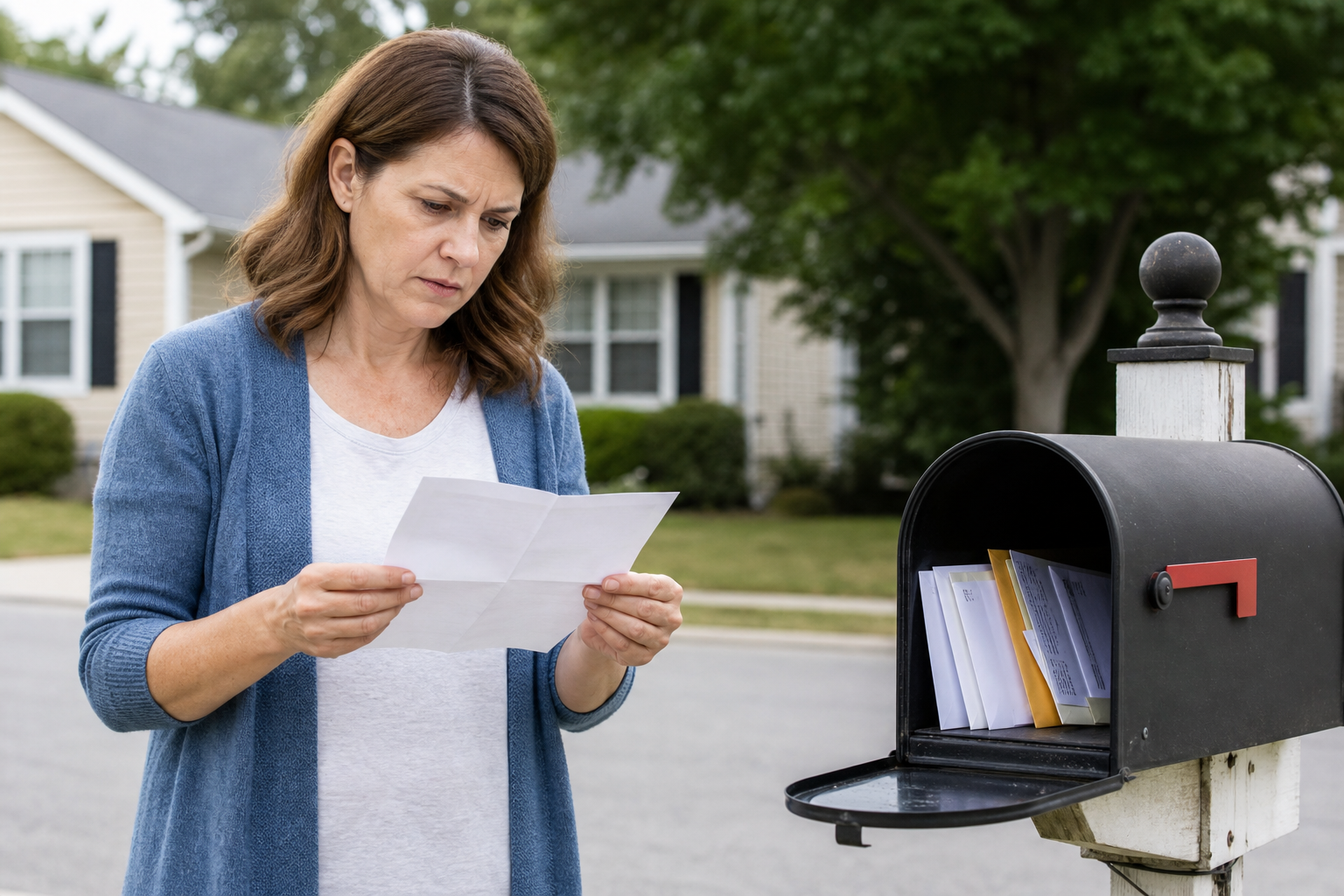
Received an unexpected USPS Change of Address Validation Letter? Learn how to dispute unauthorized mail forwarding, protect your identity, and report suspected mail theft.
If you received an official USPS Change of Address Validation Letter even though you are still living at the same address, someone may have submitted a mail-forwarding request using your name and address. It could be an honest filing mistake, but it can also be an early sign of identity theft or an attempt to redirect financial documents, checks, replacement cards, or other sensitive mail.
The most important distinction is between an official USPS letter and a phishing message. A genuine Change of Address Validation Letter is mailed to the address being left and includes a 13-digit change-of-address key. An unsolicited text or email asking you to click a link, pay a fee, or confirm personal information should be treated as suspicious.
This guide covers USPS procedures in the United States. Canada Post uses a separate system, so Canadian residents should not use the USPS dispute process unless the letter concerns a U.S. mailing address.
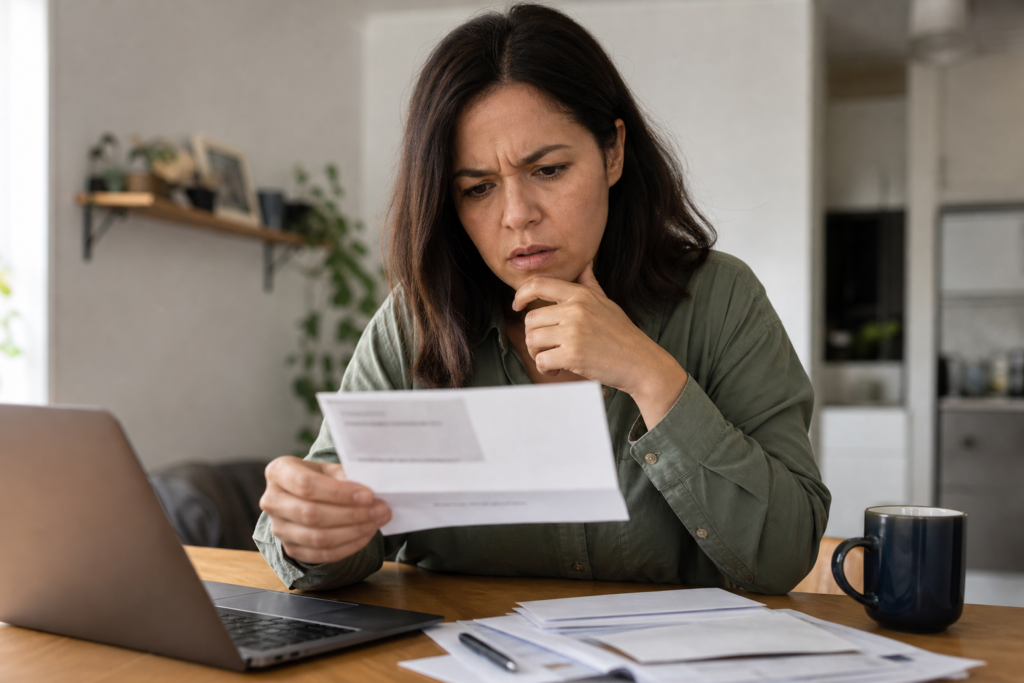
Look at the envelope and letter carefully. The official USPS notice should identify a change-of-address order and include the old address, move details, and a 13-digit key. Do not use a link supplied in an unexpected email or text message. Instead, type the official USPS address into your browser or use the action link below.
USPS says the key and the ZIP Code printed on the official letter are used to locate the order for a dispute. Keep the letter and take a photo or scan for your records, but avoid posting it publicly because it contains information connected to your address.

If you are not moving, USPS directs customers who received an official Change of Address Validation Letter to file a dispute so the order can be flagged for investigation.
Filing the dispute alerts USPS Support, which can investigate and determine the proper action. The dispute is not the same as simply updating your address with a bank, employer, or government agency, so complete both steps if you later discover that important mail has been redirected.
If you cannot complete the online dispute, take the letter and current photo identification to a Post Office and ask for help with an unauthorized change-of-address order.
Find an official USPS Post Office location
An unexpected validation letter does not prove that mail was stolen. However, missing checks, credit cards, insurance notices, tax documents, medical statements, or replacement identification make the situation more urgent.
Contact each sender directly using a phone number from its official website, account statement, or the back of an existing card. Ask whether mail was returned, whether the mailing address was changed, and whether any account activity or replacement-card request is pending. If an account was changed without permission, ask the company to place a security hold, close or replace the account, and document the date and time of your call.
Report suspected mail theft, a fraudulent change of address, or identity theft involving the U.S. Mail to the United States Postal Inspection Service. The online report specifically includes fraudulent change-of-address complaints. You can also call 1-877-876-2455.
Report a fraudulent change of address or mail theft
A fraudulent forwarding request may be limited to mail, but it is worth checking whether the person also tried to use your personal information elsewhere. Review bank and credit-card activity, online account recovery details, utility accounts, insurance accounts, and recent credit inquiries.
If you suspect that personal information was used, the Federal Trade Commission’s IdentityTheft.gov service can create an identity-theft report and personalized recovery plan. This is especially useful if you find unfamiliar accounts, applications, charges, or address changes beyond USPS.
Report identity theft and get a recovery plan
Consider placing a free credit freeze with Equifax, Experian, and TransUnion if sensitive information may have been exposed. A freeze can make it harder for someone to open new credit accounts in your name, but you must contact all three bureaus. You can also place a one-year initial fraud alert by contacting just one bureau; that bureau must notify the other two.
Place or manage a TransUnion credit freeze
Place or manage an Experian credit freeze
Check all three credit reports for unfamiliar accounts, hard inquiries, addresses, or collection activity. AnnualCreditReport.com is the federally authorized source for free credit reports.
USPS has different rules for people filing on behalf of someone else. An authorized agent generally needs a valid photo ID and documentation such as a power of attorney, guardianship record, marriage or divorce document, or executor paperwork.
Businesses may need a business license or a letter on company letterhead signed by an authorized leader. A person cannot use a business filing to redirect an individual’s mail from a workplace or organization.
For a deceased person, USPS requires legal documentation showing that the person filing is an executor, administrator, or other authorized representative. That process is handled through a Post Office rather than treated as a normal online individual change of address.
For most people, the safest order is:
Keep a simple log of dates, confirmation numbers, people contacted, and documents submitted. That record can save time if USPS, a bank, a credit bureau, or law enforcement asks you to explain what happened.
A. If you have the confirmation code, USPS says you may be able to cancel the order through Manage My Move. If you do not have the code, visit a Post Office with current identification and explain that the order was unauthorized. You should also file the dispute connected to the validation letter.
A. No. It confirms that a change-of-address order was submitted, but it does not by itself prove identity theft or mail theft. It becomes more concerning when you also notice missing mail, unfamiliar account activity, new credit inquiries, or changes to financial or government accounts.
A. Do not click the link or provide personal information. Verify the situation by entering the official USPS website address yourself and checking with USPS through its official support channels. You can forward suspicious USPS-related emails to spam@uspis.gov; suspected mail-related crime can be reported to the Postal Inspection Service.
A. A credit freeze is reasonable if you believe personal information was exposed or you find unfamiliar credit activity. It is free, lasts until you lift it, and must be placed separately with Equifax, Experian, and TransUnion. If the issue appears limited to a mistaken USPS filing and no personal information or account misuse is evident, continue monitoring before deciding.