Welcome to KnowHow Daily!
Practical guides, money-saving tips, tech solutions, government benefits, and useful information for everyday life.
Welcome to KnowHow Daily!
Practical guides, money-saving tips, tech solutions, government benefits, and useful information for everyday life.

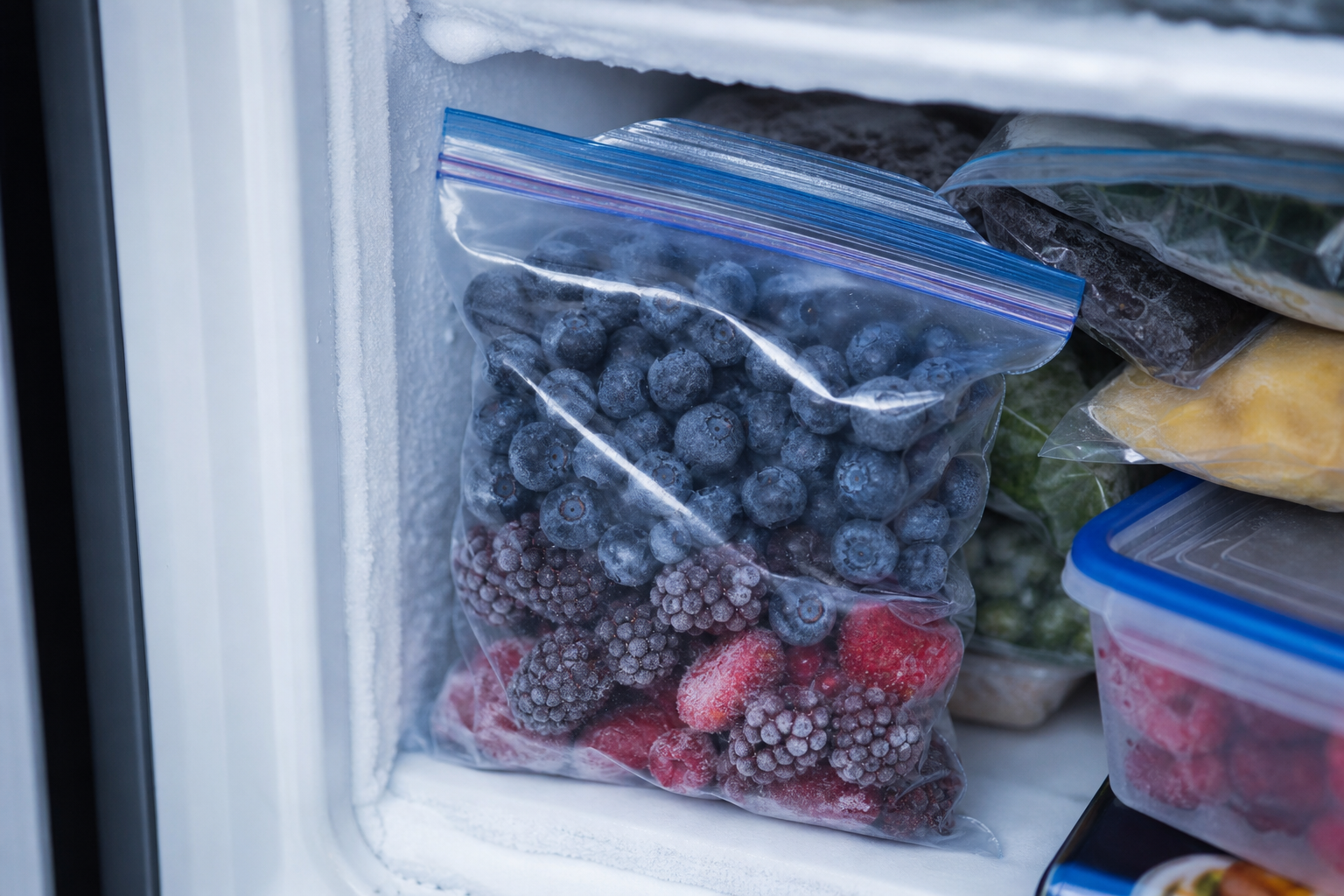
The frozen blueberry E. coli outbreak has reached 17 cases. See recalled GreenWise and Great Value products, affected states, symptoms and what to do.
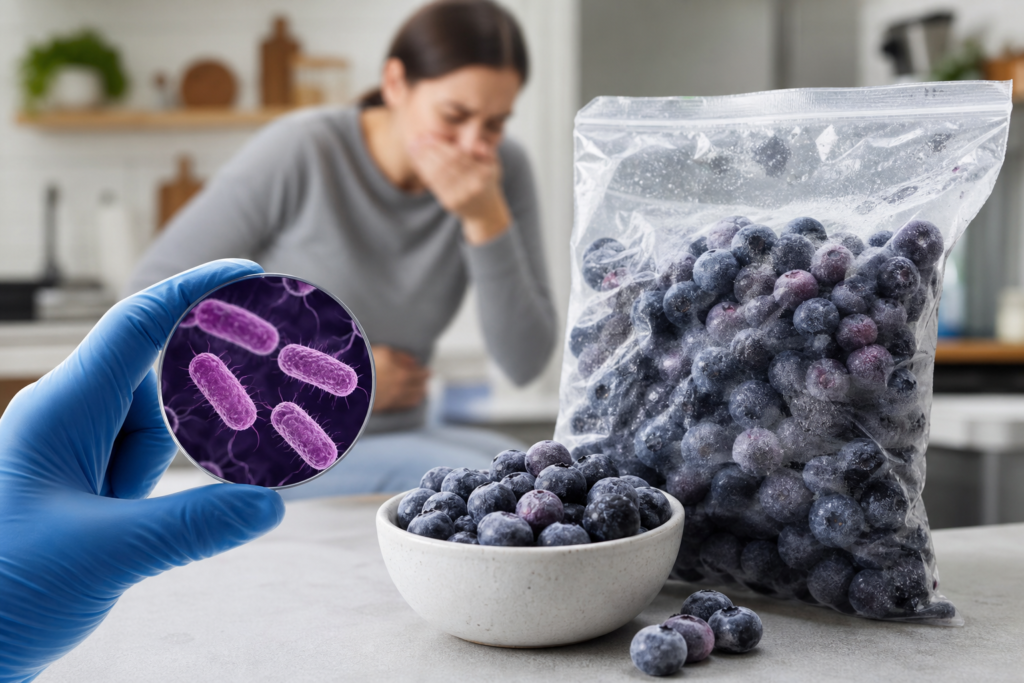
The U.S. Food and Drug Administration and the Centers for Disease Control and Prevention are investigating an ongoing outbreak of Escherichia coli O145:H28 infections linked to frozen organic blueberries supplied by Frutas y Hortalizas del Sur S.A. of San Carlos, Chile.
As of the latest federal update on September 3, 2026, 17 people in Florida and Georgia have been infected. Six people have been hospitalized, and no deaths have been reported. Illnesses began between May 11 and August 2, 2026. Officials say the actual number of infections could be higher because some people recover without seeking medical care or are never tested.
Investigators found that 11 of 13 interviewed patients, or 85%, had eaten frozen blueberries. FDA traceback work identified the Chilean supplier, and the recall has expanded beyond the original GreenWise blueberry product.
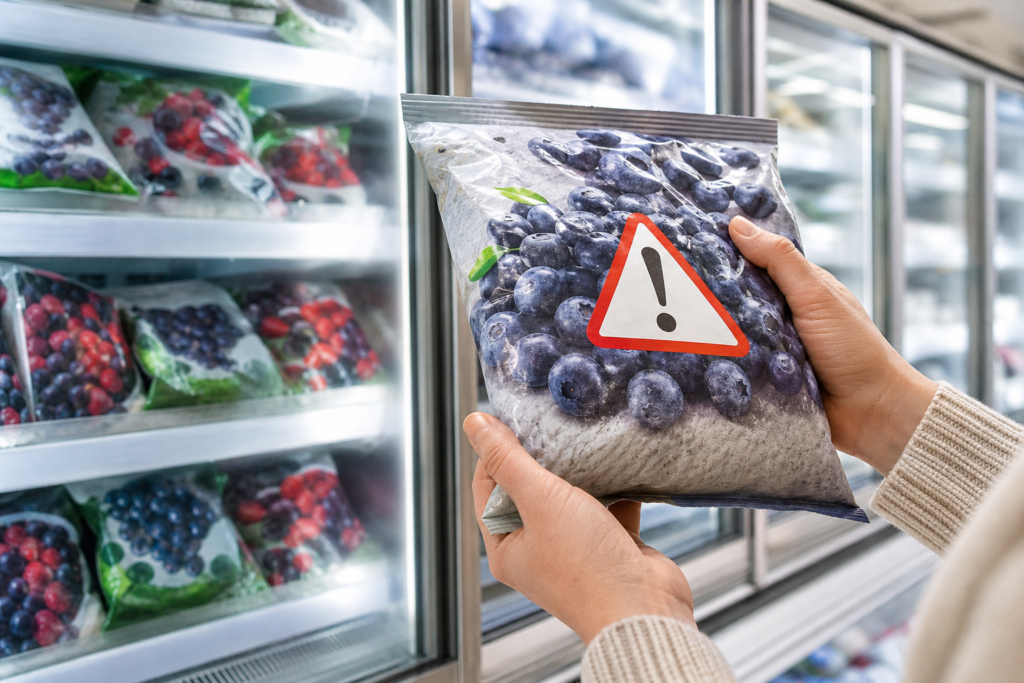
Consumers should check their freezers carefully. The current recall covers specific GreenWise products sold through Publix and one Great Value product sold through Walmart.
Publix recalled all lots of the following GreenWise Organic frozen products because they may contain E. coli O145:H28:
These products were shipped to Publix stores in Alabama, Florida, Georgia, Kentucky, North Carolina, South Carolina, Tennessee and Virginia. The original supplier recall involved a 10-ounce package with lot code 60401, also printed as 6 040 01, and a best-by date of February 9, 2028. However, Publix’s later action covers all lots of the listed GreenWise products.
On September 2, 2026, the supplier expanded the recall to include:
The recalled Great Value blend contains strawberries, blackberries and blueberries. It was shipped to Walmart stores in Alabama, Arkansas, Florida, Illinois, Indiana, Kentucky, Louisiana, Minnesota, Mississippi, Missouri, North Carolina, Ohio, Oklahoma, South Carolina, Texas and Wisconsin.
The current federal notices identify the affected products and distribution in the United States. They do not list Canadian stores or Canadian distribution for these recalled items. Canadian shoppers who bought the products in the U.S., used a cross-border delivery service or are unsure about a package should compare the brand, product size and lot information with the official recall notice before eating it.
Restaurants, schools, food-service operators and retailers should also check inventory and stop serving or selling any recalled product. Repackaged berries may not show the original retail label, so businesses should review supplier and receiving records.
Symptoms can begin a few days after exposure or as long as nine days later. Common symptoms include severe stomach cramps, diarrhea, nausea, vomiting and fever. Diarrhea may become bloody.
Most people recover, but Shiga toxin-producing E. coli can sometimes cause hemolytic uremic syndrome, or HUS. HUS can damage the kidneys and is especially concerning in young children, older adults and people with weakened immune systems.
Contact a doctor or other health-care provider if you or your child develops bloody diarrhea, diarrhea or vomiting lasting more than two days, a fever above 102°F, or signs of dehydration such as very dark urine, little or no urination, dizziness, intense thirst or a dry mouth.
Seek urgent medical care for possible HUS warning signs, including little or no urination, unusual tiredness or irritability, unexplained bruising, tiny red spots, blood in the urine or reduced alertness. Children with diarrhea or vomiting can become dehydrated quickly.
If you ate a recalled product and feel sick, tell the health-care provider that you may have been exposed to E. coli and mention the product, lot code and date it was eaten if you know them.
Do not self-treat suspected Shiga toxin-producing E. coli with antibiotics or anti-diarrheal medicine such as loperamide unless a health-care provider specifically tells you to do so. Antibiotics can increase the risk of HUS in some STEC infections, while anti-diarrheal medicine can make the illness last longer or raise the risk of complications.
Drink fluids to help prevent dehydration, but seek medical advice rather than relying on home treatment if symptoms are severe, persistent or worsening. A clinician may decide whether stool testing or other care is needed.
The outbreak investigation and product distribution information currently published by U.S. authorities point to stores in the United States, including Publix and Walmart locations. No Canadian retailer is named in the FDA distribution list for the recalled products.
That does not mean Canadian shoppers should ignore a package that matches the recall. Products can travel across borders through personal shopping, resale or delivery services. If you are in Canada and have a matching package, do not eat it. Contact the retailer for disposal or refund instructions, and check the Canadian Food Inspection Agency’s recall database for any Canadian-specific notice.
No. The FDA and CDC list the investigation as ongoing. More illnesses, products or distribution locations could be added as public-health officials review laboratory results, patient interviews and supplier records. The safest approach is to rely on the current FDA and CDC notices rather than assume that an unlisted frozen berry product is part of the recall or that a recalled product is safe because it has been frozen for a long time.
A. No. The recall applies to the specifically identified GreenWise products and the recalled 10-ounce Great Value Organic Triple Berry Blend lot. Do not assume every frozen blueberry brand is contaminated, but always check the current FDA and CDC notices for updates.
A. Do not try to salvage recalled berries by cooking, baking or blending them. Discard or return the product, then clean and sanitize any surfaces or equipment it touched.
A. Monitor for symptoms for the next several days, including severe cramps, diarrhea, vomiting and fever. If symptoms appear—especially bloody diarrhea, dehydration or reduced urination—contact a health-care provider and mention the possible exposure.
A. The current FDA distribution list identifies U.S. stores and does not name Canadian retailers. Canadians who bought the product in the United States or through cross-border channels should still compare the package with the recall details and avoid eating a match.
A. Contact your health-care provider first for medical advice and testing. In the United States, consumers can also report a food-related complaint through the FDA. In Canada, contact your local or provincial public-health authority and use the CFIA recall and food-safety reporting resources.