Welcome to KnowHow Daily!
Practical guides, money-saving tips, tech solutions, government benefits, and useful information for everyday life.
Welcome to KnowHow Daily!
Practical guides, money-saving tips, tech solutions, government benefits, and useful information for everyday life.

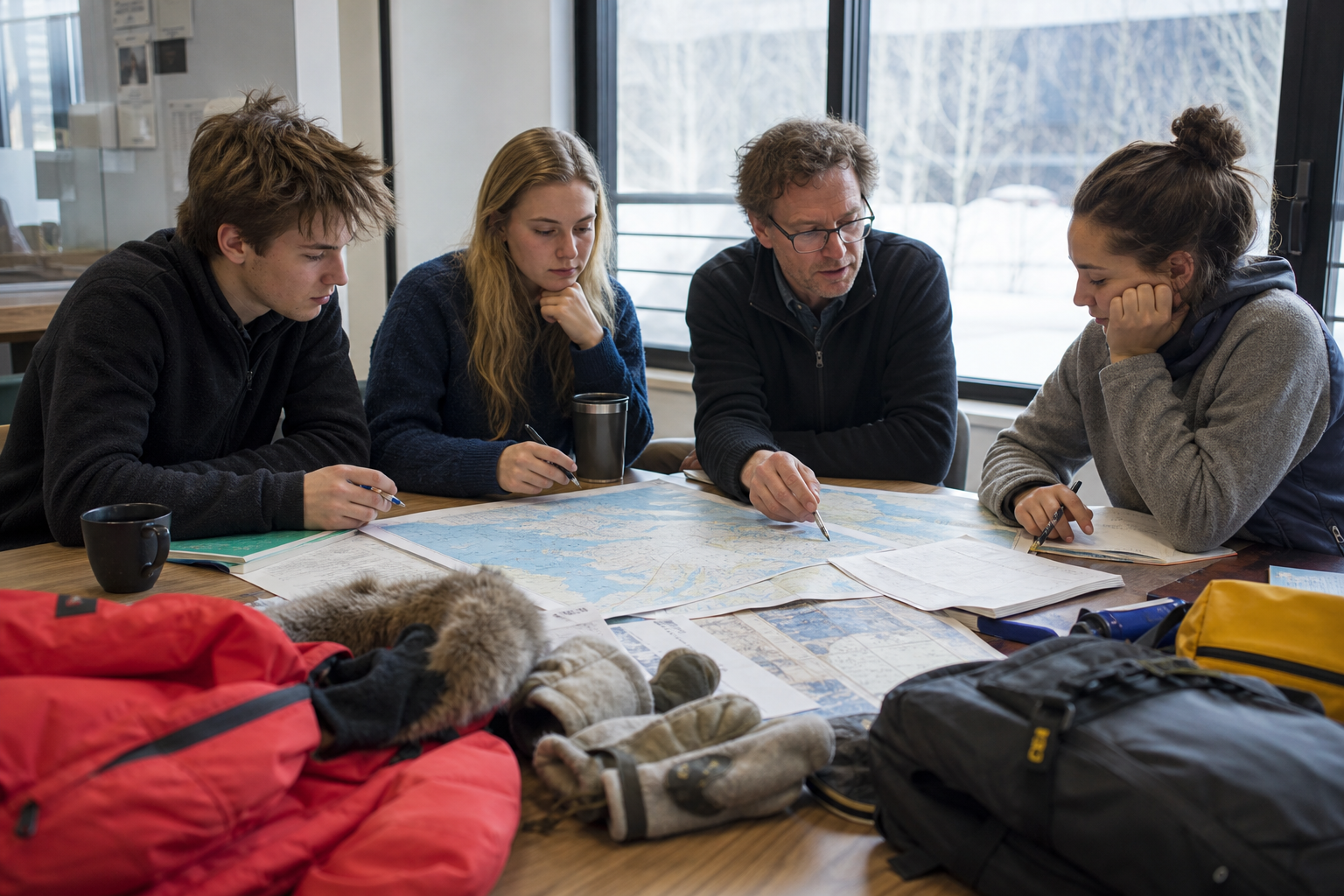
The Northern Scientific Training Program 2026 student deadline is November 10 at 3 p.m. EST. See eligibility rules, documents, supervisor steps, and how to apply.

Polar Knowledge Canada has opened the call for the 2027–2028 Northern Scientific Training Program, commonly called the NSTP. The student deadline is November 10, 2026, at 3:00 p.m. Eastern Standard Time. Your application must include the supervisor recommendation by that deadline.
There is a second deadline for universities and Northern post-secondary institutions: the institution’s complete package is due to Polar Knowledge Canada on December 1, 2026, at 3:00 p.m. EST. That later date is not a substitute for your own student deadline. Your Northern Studies Committee will need time to review your application and include it in the institutional submission.
The NSTP provides supplementary funding for additional costs connected with northern research. It is not designed to replace your main scholarship, research grant, salary, or university funding. Eligible expenses can include transportation, living costs during northern fieldwork, shipping, and certain interpreter-related costs.
Read the official Northern Scientific Training Program information before you begin.
Read the official Northern Scientific Training Program information
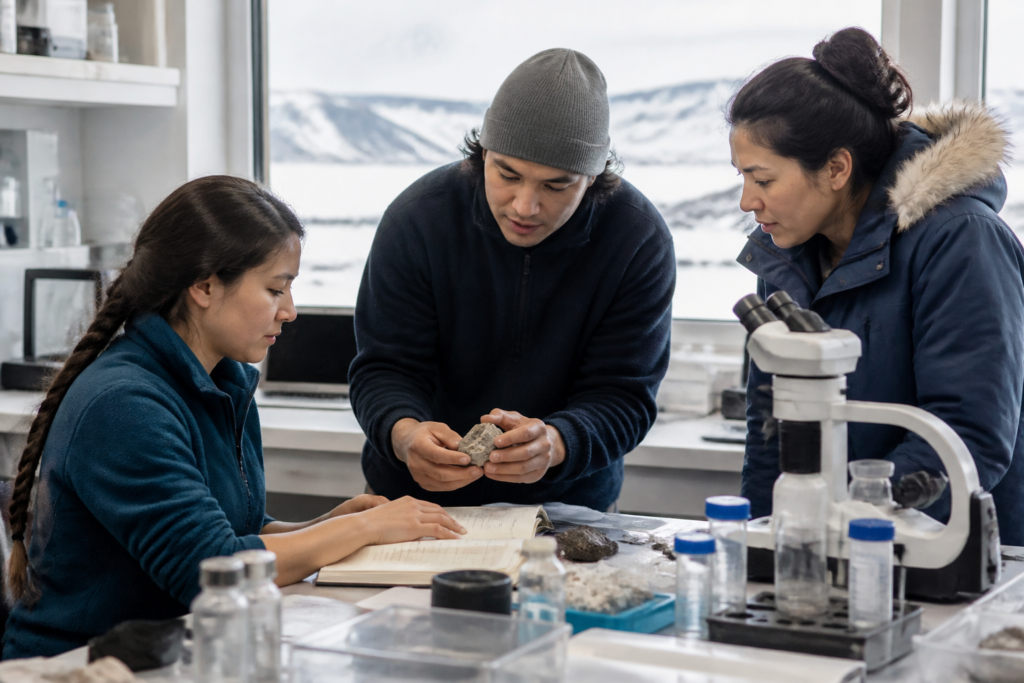
The basic eligibility rules are fairly specific. You generally need to meet all of the following conditions:
Undergraduate thesis research can receive up to one year of funding. Master’s students may receive up to two years, and doctoral students may receive up to three years. The current manual says students may request up to $6,000 per year, although the amount ultimately available to an individual student is decided through the university’s process and the program’s overall allocation.
Summer and winter projects may qualify. Post-doctoral studies, ordinary research assistant work, field schools, equipment purchases, and projects that do not require northern fieldwork are not supported under the regular student funding rules.
The NSTP supports research in eligible northern areas of Canada and certain northern regions of other circumpolar countries. For Canadian projects, the official geographic boundary is based on the southern limit of the discontinuous permafrost zone.
Your project location needs to be specific enough for eligibility to be checked. In the application, identify the main field site and, where possible, include a nearby community, settlement, landmark, and geographic coordinates. A project outside the NSTP boundary can be rejected even if the broader research topic concerns the North.
International projects require additional explanation. You must show how the work relates to Northern Studies in Canada, how it connects to your previous or planned Canadian northern research, what support exists in the host country, and which authorizations or licences are required.
The online form is more than a short scholarship application. Give yourself time to gather information that may come from your supervisor, research partners, community contacts, university ethics offices, and licensing authorities.
| Prepare | What to include |
|---|---|
| Student details | Your degree, academic year, citizenship or permanent-resident status, and university information. |
| Project title and discipline | A clear title and the discipline or disciplines that best describe your research. |
| Project description | The research background, objective, methods, location, timing, significance, and connection to your thesis. |
| Fieldwork plan | Where you will go, when you will go, how long you will stay, and what the fieldwork involves. |
| Budget | Total expected fieldwork costs, the NSTP amount requested, and other funding or support applied for or secured. |
| Supervisor recommendation | Your supervisor’s assessment of your experience, thesis connection, northern relevance, and expected training benefit. |
| Ethics and community engagement | How you will work respectfully with affected communities, reduce potential harms, and obtain appropriate approval or support. |
| Licences and permits | The permits or licences needed, where you applied, the application date, and whether approval is pending or complete. |
The manual asks for a concise explanation of what you are studying, where and when the work will happen, how you will conduct it, why it matters, and how it advances your thesis. Avoid copying a broad supervisor grant description. The application should make your individual contribution clear.
If several students work on the same larger project, each application needs its own distinct research description. Explain what you will personally do and what training you will gain. Duplicate descriptions can create problems during review.
List the expected cost of the entire fieldwork component, not only the amount you hope NSTP will cover. Consider transportation, accommodation, food, freight, specialized aircraft or boat support, and interpreter costs where relevant.
Then separate the amount requested from other funding sources. Because NSTP support is supplementary, reviewers need to see how the requested funds fit into the larger funding plan. Do not simply list the full value of a supervisor’s research grant; identify the portion that could support your individual project.
You cannot submit an individual NSTP application directly to Polar Knowledge Canada. Students apply through their university’s recognized Northern Studies Committee or equivalent, and the committee chair submits the institutional package.
Contact your committee or graduate funding office early to confirm its internal deadline. The national student deadline is November 10, but universities may require applications several days or weeks earlier. If your institution does not have a recognized committee, the program says you may apply through a participating institution.
Find participating Northern Studies Committees
Your supervisor is responsible for the recommendation section, not for completing the rest of your application. The manual warns that applications completed by a supervisor in whole or in part, apart from the recommendation section, may be rejected. Ask your supervisor to review the completed draft for accuracy, but keep the student-written sections in your own words.
The recommendation should address your previous research experience, how the fieldwork relates to your thesis, why the work is relevant to northern research issues, and how the experience will benefit your training. For team projects, recommendations should be individualized rather than copied.
Review the NSTP Information Manual 2027–2028
The system is also used to track referee or recommendation progress. Do not wait until the deadline day to create an account, because a missing recommendation or unresolved account problem can leave the application incomplete.
These sections deserve more attention than a quick checkbox. The application asks what you have done or will do to obtain local community approval or support before fieldwork begins. Explain how you will engage with people who may be affected, how local knowledge or priorities will be respected, and how you will manage possible risks or harms.
You also need to identify required research licences and permits, even if your supervisor has already obtained one. Saying that your project is covered by a supervisor’s permit is not enough. State which authorization applies, where you applied, when you applied, and whether it is approved or pending.
Permit and ethics requirements vary by location and research method. A project involving people, wildlife, protected areas, Indigenous communities, environmental sampling, or sensitive information may require several approvals. Start those conversations early; some approvals can take longer than the application itself.
Your Northern Studies Committee reviews the student applications and submits the university’s package. Polar Knowledge Canada reviews the overall institutional submission, the proposed projects, the training value, the relevance to northern issues, the clarity and completeness of the applications, supervisor recommendations, and the proposed use of funds.
Funding is not decided solely as an individual scholarship award. Polar Knowledge Canada allocates funding to universities or eligible Northern institutions, and the committee is responsible for distributing the institution’s allocation among approved students. That means an eligible application is not a guarantee of approval or of the maximum requested amount.
Once you submit, keep copies of your application, budget, confirmation email, permit information, and supervisor communications. If you notice an error, contact your committee promptly. The manual indicates that changes may not be permitted once an application has been submitted to the university, so prevention is safer than trying to repair a rushed submission.
Start by contacting your Northern Studies Committee and supervisor today. Confirm the internal deadline, open the official online account, and turn your research plan into a clear project description and fieldwork budget. Aim to have the recommendation, ethics explanation, and permit details ready several days before November 10 rather than treating 3:00 p.m. as your working deadline.
A. November 10, 2026, at 3:00 p.m. EST is the official student deadline for the 2027–2028 call, including supervisor recommendations. Your university or Northern Studies Committee may set an earlier internal deadline, so confirm that date directly with the committee.
A. The regular student program is for students enrolled in a Canadian university or eligible Northern post-secondary institution who are Canadian citizens or permanent residents. The program can support eligible research in Alaska in some circumstances, but that does not make a U.S.-enrolled student eligible for the Canadian student funding program.
A. No. NSTP funding is supplementary and is intended to offset additional costs of northern research. It is not general scholarship funding, a salary subsidy, or primary support for the full research program. The current manual says students may request up to $6,000 per year.
A. Yes. The application requires you to identify the applicable licence or permit and explain where and when it was applied for, even when the authorization was obtained by your supervisor. Simply saying that your work is covered by the supervisor’s permit may be insufficient.