Welcome to KnowHow Daily!
Practical guides, money-saving tips, tech solutions, government benefits, and useful information for everyday life.
Welcome to KnowHow Daily!
Practical guides, money-saving tips, tech solutions, government benefits, and useful information for everyday life.

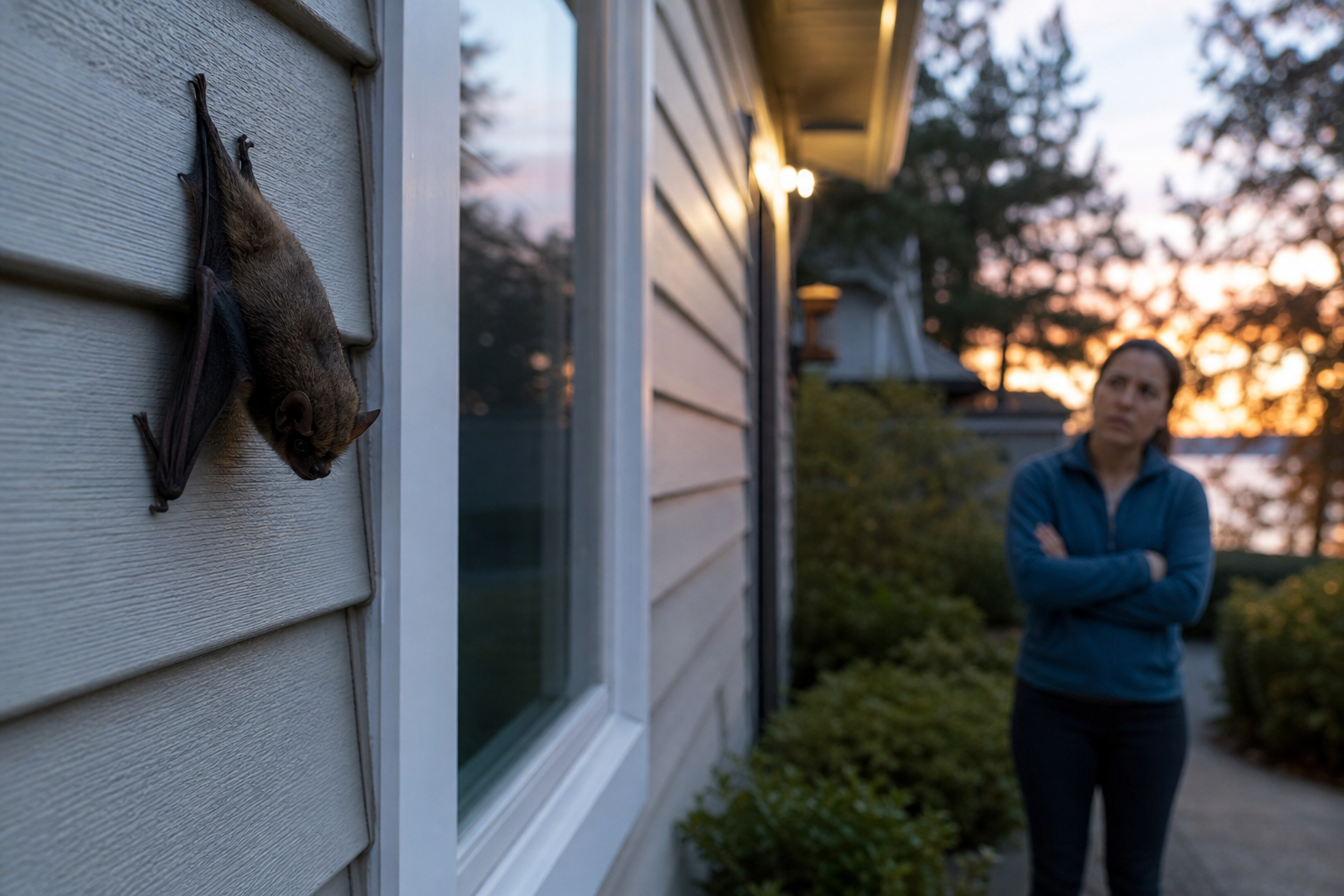
The CDC reports increased rabies exposures in 2026. Learn what to do after a bite, scratch, bat contact, or possible saliva exposure.
On September 10, 2026, the Centers for Disease Control and Prevention said reports of animal exposures and rabies post-exposure vaccinations had increased across the United States during the summer. Since July, several jurisdictions have also reported local increases in people exposed to animals that may have had rabies, including high-risk wildlife and animals less commonly associated with the disease.
The warning does not mean that every animal bite requires rabies shots. It does mean that a possible exposure should be assessed promptly instead of being dismissed because the wound looks small or the animal is no longer nearby. A healthcare provider or public health official can determine whether post-exposure prophylaxis, commonly called PEP, is appropriate.
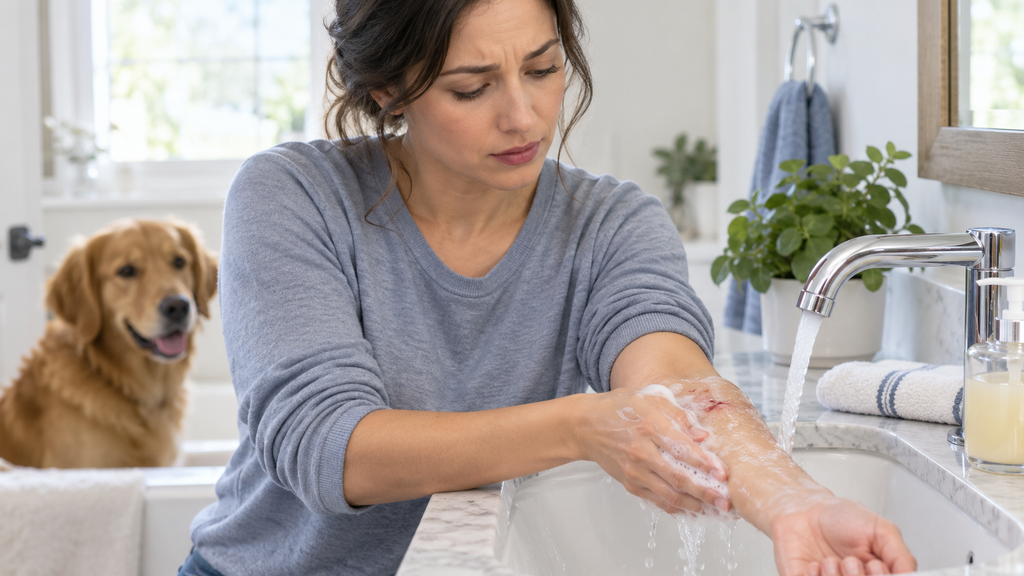
If you were bitten, scratched, or had saliva or nervous-system tissue from a mammal contact your eyes, mouth, or broken skin, take these steps:
Find your state or local health department
Most possible rabies exposures need quick medical attention, but they do not automatically require a trip to the emergency room unless the wound itself needs urgent care. Go to emergency care for severe bleeding, deep wounds, injuries to the face, head, or neck, loss of function, or other immediate medical concerns.
Rabies can infect any mammal, but in the United States it is most often associated with bats, raccoons, skunks, and foxes. Risk also depends on the animal’s behavior, the location where the contact occurred, whether the animal can be tested, and the details of the exposure.
A bite or scratch is not the only situation that matters. Rabies virus can spread when saliva or nervous-system tissue enters broken skin or mucous membranes such as the eyes, nose, or mouth. Touching an animal’s fur, blood, urine, or feces is not generally considered a rabies exposure, but unusual situations should still be discussed with public health officials.
Bat bites can be tiny and may not leave an obvious mark. CDC guidance says people should be assessed after direct contact with a bat unless a bite or scratch can be definitively ruled out. This is especially important if a bat was found in a room with someone who was sleeping, a young child, or anyone who may not be able to describe what happened.
Do not touch or release a bat found in a home if there may have been contact with a person or pet. Keep people and pets away from it and contact animal control or the local health department for instructions about safe capture and testing.
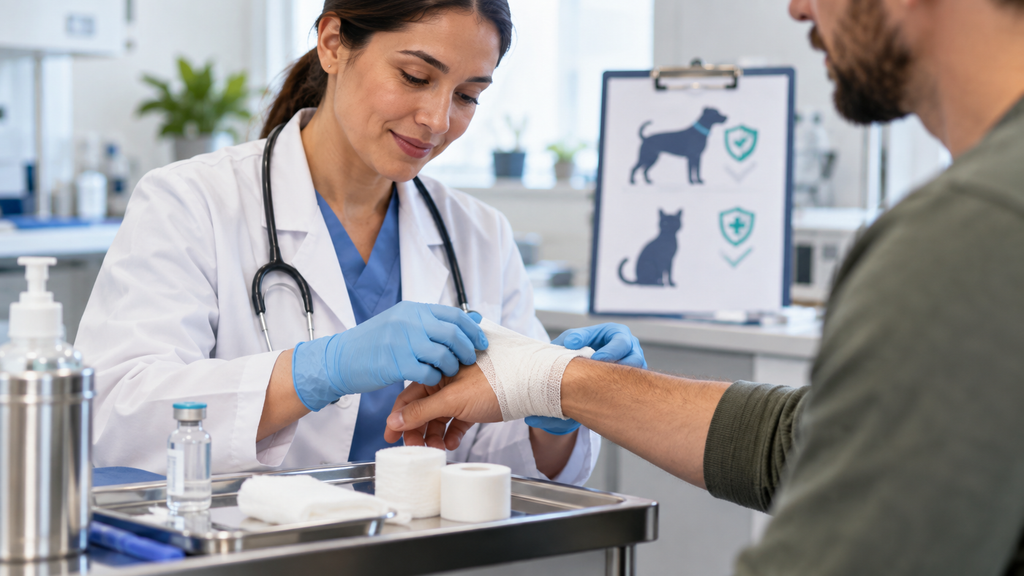
When public health officials determine that treatment is needed, PEP generally starts with wound care, human rabies immune globulin, and rabies vaccine. For someone who has not previously received rabies vaccine, the current CDC schedule generally includes vaccine on days 0, 3, 7, and 14, with an additional dose on day 28 for some people with immune disorders. Previously vaccinated people generally receive two vaccine doses three days apart and do not receive rabies immune globulin.
These decisions are individualized. The animal’s species, health, vaccination status, availability for testing or observation, and the type of contact all matter. Do not start, stop, or change a rabies treatment schedule without guidance from the treating clinician and public health officials.
Rabies is preventable when appropriate care begins before symptoms appear. Once clinical symptoms develop, the disease is nearly always fatal. The incubation period can last weeks to months, so feeling well immediately after an exposure does not rule out risk.
If a dog, cat, or ferret is involved, tell the health department whether the animal is owned, vaccinated, healthy, and available for observation. In some circumstances, a healthy domestic animal may be observed for 10 days under public health direction. Do not arrange informal observation or assume that a pet’s appearance alone settles the question.
If the animal is wild, acting abnormally, dead, or unavailable, contact public health or animal control rather than trying to capture it yourself. Do not handle a sick or injured wild mammal, and keep children and pets away.
Useful details to report include the animal’s behavior, whether the contact was provoked, where it happened, whether saliva reached a wound or the eyes or mouth, and whether anyone else may have been exposed.
The CDC’s September 10, 2026 advisory asks clinicians and health departments to use careful, evidence-based risk assessments. It also highlights the need to administer rabies vaccine and human rabies immune globulin correctly, because unnecessary treatment can create avoidable costs and put pressure on supplies.
If you may have been exposed, the practical next step is not to diagnose the animal yourself. Wash the area, preserve useful information about the encounter, and contact a healthcare provider or public health department as soon as possible. If you are in the United States and do not know whom to call locally, use the CDC’s health department directory linked below.
A. No. A healthcare provider or public health official assesses the risk using the animal species, behavior, vaccination status, location, type of contact, and whether the animal can be tested or observed. Do not make that decision based only on the size of the wound.
A. Contact your health department or a healthcare provider for a risk assessment. Bat bites can be difficult to see, and direct bat contact should be evaluated unless a bite or scratch can be definitively ruled out.
A. CDC guidance says treatment may still be recommended after a delay, as long as the person is not showing signs consistent with rabies. Contact a healthcare provider or public health department as soon as possible rather than assuming it is too late.
A. Do not handle a wild or sick-acting animal unless public health or animal control gives you specific safe-capture instructions. Keep people and pets away and ask local officials whether the animal should be tested.








FDA Infant Formula Standards Proposal: What Parents Need to Know About Nutrient Changes and the Comment Deadline