Welcome to KnowHow Daily!
Practical guides, money-saving tips, tech solutions, government benefits, and useful information for everyday life.
Welcome to KnowHow Daily!
Practical guides, money-saving tips, tech solutions, government benefits, and useful information for everyday life.

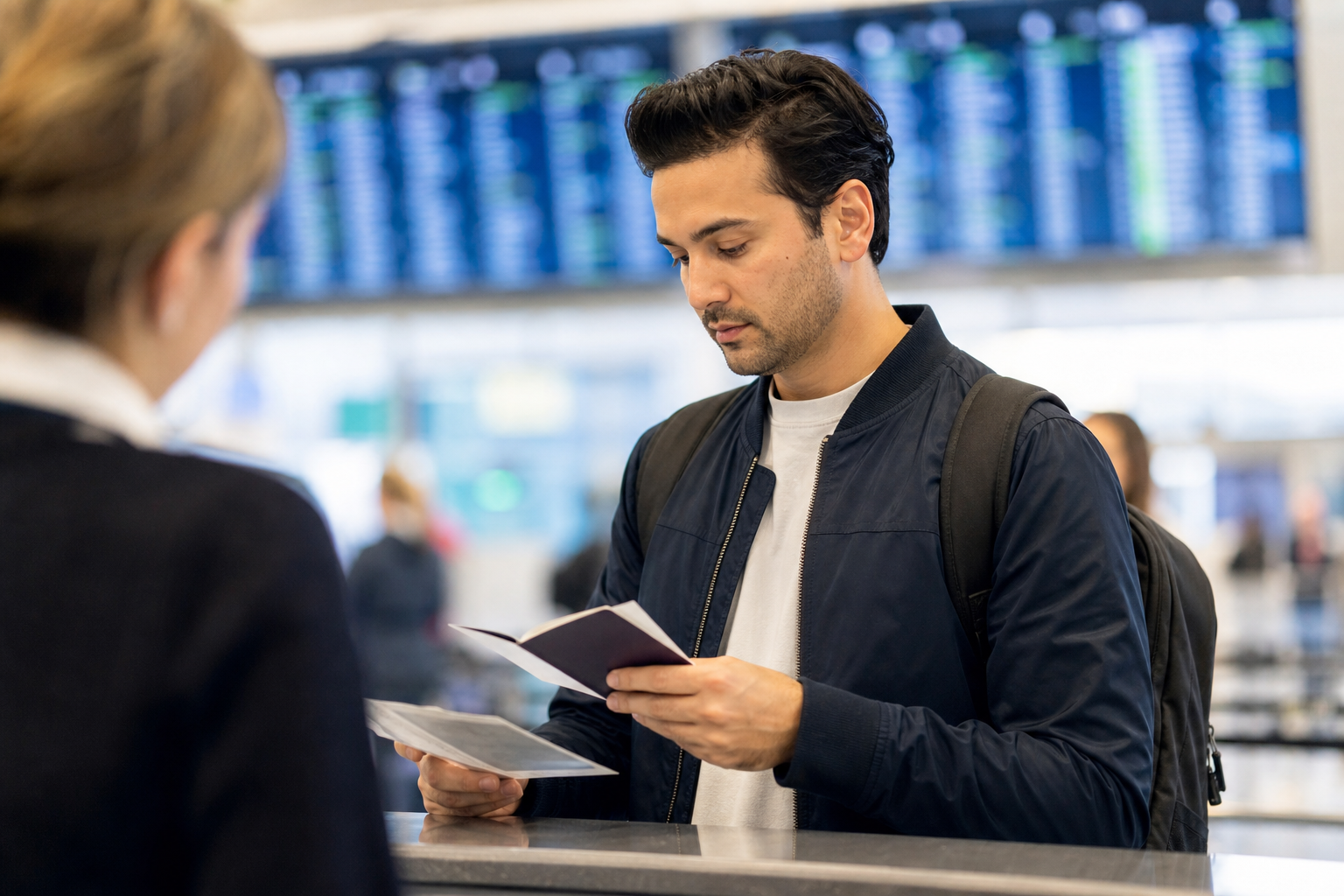
Lost or expired Canadian PR card abroad? Learn when you need a PRTD, whether you can return by private vehicle, how to apply, and what to do after arriving in Canada.

The right next step depends mainly on how you’re returning to Canada and how soon you need to travel.
If you’re taking a commercial vehicle—such as an airplane, bus, train, or boat—you need either a valid Canadian permanent resident card or a Permanent Resident Travel Document, commonly called a PRTD. An expired PR card cannot be used as a travel document, even though your permanent resident status may still continue.
If you’re returning by land in a private vehicle, such as a car, truck, motorcycle, or recreational vehicle, Canada says you can use other documents to seek entry without a valid PR card or PRTD. This option is different from travelling on a commercial carrier, and the border officer will still assess your documents and admissibility.
Do not apply for a new PR card while you’re outside Canada. IRCC issues PR cards to people who are in Canada and does not mail them to a third party or to an address outside Canada.
Review the official travel rules for Canadian permanent residents
| Your situation | Likely document needed | What to do |
|---|---|---|
| Flying to Canada or using a bus, train, or boat | Valid PR card or PRTD | Apply for a PRTD from outside Canada before travelling. |
| PR card expired while you were abroad | PRTD for commercial travel | Use the PRTD process; an expired card is not a valid travel document. |
| PR card lost, stolen, or damaged abroad | PRTD for commercial travel | Apply for a PRTD and explain what happened to the card. |
| Returning by car or another private vehicle | Other acceptable identity and immigration documents | Review the official document guidance and be prepared for examination at the border. |
A PRTD is normally issued for a single entry. Once you return to Canada, apply for a replacement or renewed PR card if you still need one for future commercial travel.
You can apply for a PRTD if you are outside Canada, still have permanent resident status, and do not have a valid PR card available for your return by commercial vehicle.
That includes situations where your card was:
Each family member who needs a travel document must have a separate application. The application must also show that you meet the requirements to remain a permanent resident. A PRTD is not an automatic replacement for a PR card, and approval is not guaranteed.
IRCC may review your residence history and supporting documents. If there are concerns about whether you met the residency obligation, the application can become more complicated and may involve additional review or appeal rights.
IRCC now allows eligible applicants to submit a PRTD application online through the Permanent Residence Portal. The regular process is the safer choice when your travel date is not imminent.
Complete the Application for a Permanent Resident Card or Permanent Resident Travel Document, IMM 5444, through the portal. Use the document checklist and instructions for your situation rather than uploading only a passport copy and a short explanation.
Typical documents may include:
Make sure scans and photographs are clear and readable. IRCC may return an incomplete application, and missing documents can delay processing.
The current PRTD fee is $50 Canadian. Include proof of payment with the application. IRCC says the fee cannot be refunded once processing has started.
Pay the PRTD application fee online
Review the official PRTD application and fee instructions
Online applicants submit the completed application and supporting documents through the Permanent Residence Portal. If you cannot apply online and require an accommodation, a paper process may be available. Check the instructions for your country and contact the nearest visa application centre before sending anything by mail.
Urgent processing may be available if you’re outside Canada and travelling back within the next five days. A lost or stolen PR card while you’re temporarily outside Canada is one of the situations IRCC lists for urgent consideration. Other examples include a serious illness, the serious illness or death of a family member, or a crisis or emergency.
Urgent processing is not the same as guaranteed processing. IRCC does not publish a standard PRTD processing time and says even eligible urgent applicants may not receive the document before their departure.
Check official urgent PRTD processing instructions
For an urgent request, include:
If you apply online, select the option indicating that your request is urgent. If you apply on paper, follow IRCC’s instructions for marking the envelope. Upload readable documents and check that your travel date is consistent across the itinerary, receipt, and explanation letter.
An IRCC officer reviews whether you qualify for a PRTD and whether you continue to meet the requirements to remain a Canadian permanent resident. A decision is usually made from the application and documents, without a personal interview, although IRCC can request more information.
If approved, a PRTD counterfoil is placed in your passport or travel document. That document is normally enough to board a commercial carrier and return to Canada. If the application is incomplete, it may be returned. If it is refused, IRCC sends a refusal letter explaining the decision and the available appeal process.
Keep copies of everything you submit, including your payment receipt, travel proof, explanations, and confirmation of submission. If IRCC requests additional documents, respond through the instructions in its message rather than sending unrelated documents to a general email address.
A PRTD solves the immediate travel problem; it does not replace the need for a valid PR card in the future. Once you’re back in Canada, apply for a new PR card if your card was lost, stolen, damaged, or expired.
If your card was lost or stolen, describe the circumstances in the relevant section of the PR card application. If you only want to report the loss and do not need a replacement immediately, IRCC also provides a solemn declaration option.
Before booking another trip, check that your PR card will remain valid for your entire return journey. Airlines and other commercial carriers may require the valid PR card or PRTD before boarding, and a Canadian passport or other travel document requirement still applies separately.
Apply for a new Canadian PR card after returning
If you’re already abroad, the safest next action is to identify your transport type, confirm whether your PR card is valid, and then use the official PRTD route if you’ll return on a commercial carrier.
A. Usually not without another document accepted for commercial travel. You generally need to apply for a Permanent Resident Travel Document from outside Canada before boarding a flight, bus, train, or boat to Canada.
A. Canada allows permanent residents travelling in a private vehicle to use other documents to seek entry. A private vehicle can include a car, truck, motorcycle, or recreational vehicle that you own, borrow, or rent. Bring strong identity and immigration documents and expect examination at the border.
A. Processing varies, and IRCC does not publish a standard PRTD processing time. Applications are handled on a priority basis, but urgent processing does not guarantee that the document will be issued before your travel date.
A. No. A PRTD is generally a single-entry travel document for returning to Canada. After you arrive, apply for a new PR card if you need one for future commercial travel.
A. IRCC sends a refusal letter explaining the reasons and available appeal rights. Follow the instructions in that letter carefully, especially if the refusal relates to your permanent resident status or residence history.