Welcome to KnowHow Daily!
Practical guides, money-saving tips, tech solutions, government benefits, and useful information for everyday life.
Welcome to KnowHow Daily!
Practical guides, money-saving tips, tech solutions, government benefits, and useful information for everyday life.

Learn who may qualify for Eastern Bridge Project participant funding, what planning-phase expenses may be covered, and how to apply before October 9, 2026.
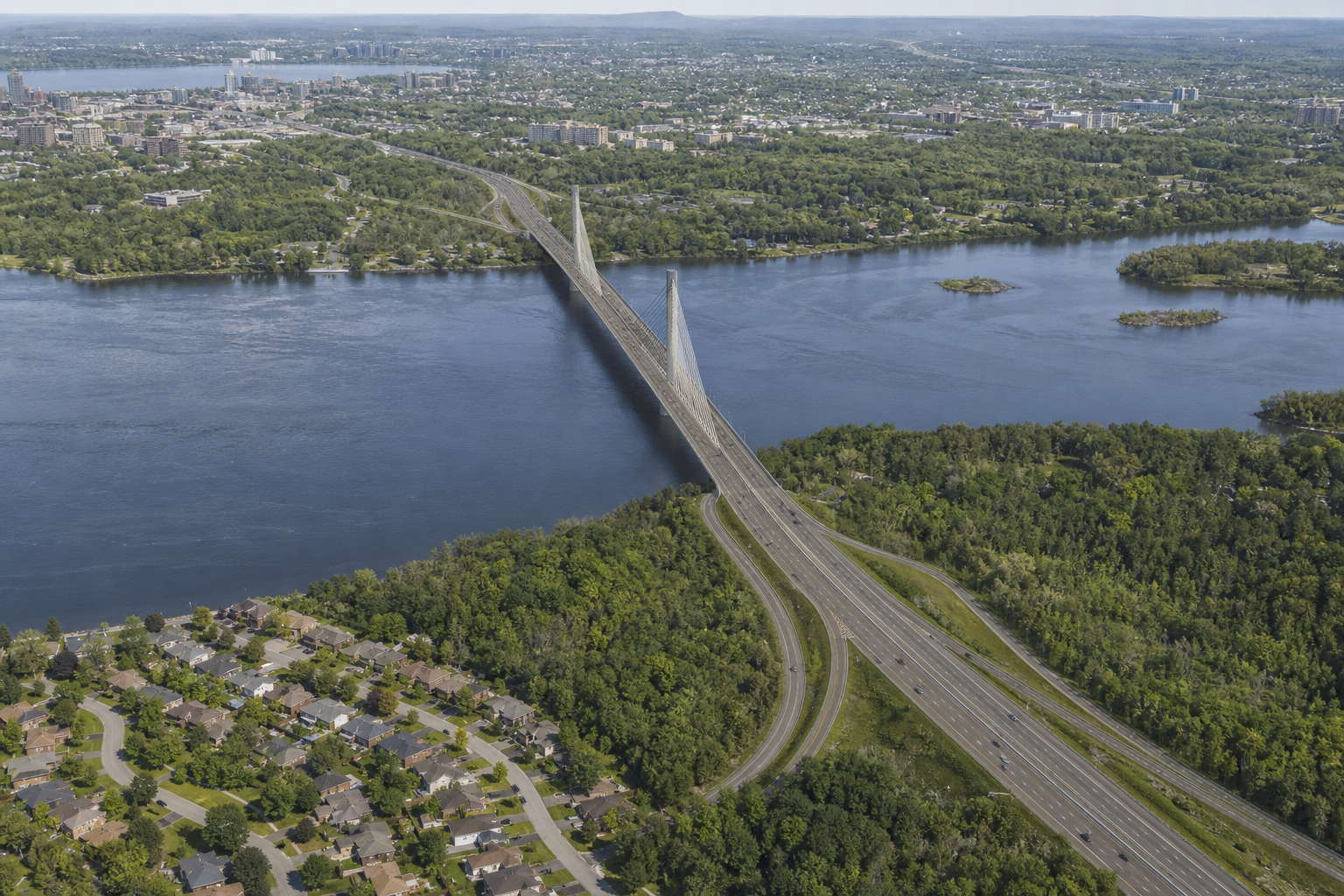
The Impact Assessment Agency of Canada is accepting applications for participant funding related to the Eastern Bridge Project, a proposed new interprovincial bridge between Ottawa, Ontario, and Gatineau, Quebec.
The project is currently in the planning phase of the federal impact assessment process. The funding is designed to help eligible participants review planning documents, prepare useful information, and take part in public or Indigenous engagement activities. It isn’t a general community grant or compensation payment, and submitting an application doesn’t guarantee funding.
The deadline is October 9, 2026. That is also the deadline for public comments on the summary of the project’s Initial Project Description.
Review the official Eastern Bridge Project participant funding instructions
The proposed bridge would be about two kilometres long and would involve changes to roughly nine kilometres of roads and intersections along the Montée-Paiement–Aviation Parkway corridor. The project is still being assessed, so its design, effects, and eventual approvals have not been finalized.
The Agency says the following groups may apply:
Applicants must explain how their participation would add value to the assessment and provide relevant knowledge or expertise. They must also meet at least one qualifying connection to the project or its potential effects.
| Potential qualifying connection | What it could mean in practice |
|---|---|
| Direct local interest | You live in, own property in, or have another direct connection to the assessment area. |
| Community or Indigenous knowledge | You can contribute place-based knowledge about the area, its environment, culture, land use, or community conditions. |
| Relevant expert information | You have technical, environmental, health, social, economic, or other expertise connected to likely project impacts. |
| Rights, lands, or claims | You have an interest in possible effects on Treaty lands, settlement lands, traditional territories, related claims, or rights. |
These criteria don’t mean an applicant must oppose the bridge. Supportive, neutral, and critical participants may all take part if they can provide relevant information or perspectives.
Municipal and provincial governments generally aren’t eligible for this public participant funding. Indigenous governments are treated differently under the program and may be contacted directly by the Agency about consultation funding.
For the planning phase, the Participant Funding Program provides up to $8,000. That is a maximum program level, not an automatic payment. The Agency may approve less than the amount requested, and some applications may not be approved.
Funding decisions consider factors such as the proposed activities, the applicant’s connection to the assessment, the complexity of the work, the usefulness of the information to the process, and the Agency’s available budget.
Potentially eligible costs can include assessment-related reporting and administrative work, professional or legal advice, travel, meeting expenses, and certain honoraria or ceremonial offerings. The approved agreement will identify which expenses and activities are eligible.
Applicants shouldn’t assume that ordinary operating costs, construction expenses, lost income, building renovations, or unrelated work will be covered. The program also won’t normally pay for work that duplicates studies or materials already funded by another source.
A stronger application will connect the requested funding to specific participation activities rather than simply describing general interest in the bridge.
Before opening the form, gather:
Keep the proposal focused on the planning phase. For example, an applicant might request support to review the Initial Project Description, coordinate community discussions, identify potential effects that should be studied, or prepare written comments for the Agency.
Use the Application Form for the Planning Phase linked from the Agency’s Participant Funding Program page. Complete the form and attach supporting documents before sending the package to the Agency.
Download the official Application Form for the Planning Phase
The Agency warns that it isn’t responsible for misdirected or delayed submissions. Use a clear subject line, keep a copy of the sent email and attachments, and avoid waiting until the final day if you need to clarify a question.
The Agency says applicants are usually contacted about funding decisions within one to two months after the deadline. Its national program guidelines describe a 45-business-day service standard for funding decisions, although that is a service target rather than a promise of approval or payment by a particular date.
Successful applicants must sign either a grant or contribution agreement. The agreement sets out the approved activities, eligible expenses, reporting obligations, and payment conditions.
For contribution agreements, expenses generally must be incurred after both the recipient and the Agency have signed the agreement unless the agreement says otherwise. Recipients may need to submit invoices, receipts, and a detailed financial report. Grant payments may follow a different process, with the grant agreement identifying the relevant conditions.
Even if an application is declined or approved for less than requested, individuals and organizations can still participate in the assessment and submit comments independently.
This program supports participation in the impact assessment. Explain the work you will perform and how it will improve the Agency’s understanding of potential effects.
Don’t assume the Agency will infer why your organization or experience is relevant. State the connection directly and link it to the project area or likely impacts.
A budget is easier to assess when each cost supports a specific task, such as document review, community meetings, technical advice, or preparation of comments.
Receiving participant funding doesn’t mean the bridge has been approved, and it doesn’t indicate that the Agency agrees with an applicant’s position. It simply supports participation in the review process.
The safest next step is to download the official planning-phase form, review the Eastern Bridge Project materials in the Canadian Impact Assessment Registry, and submit a complete package to the Agency before October 9, 2026.
Review the Eastern Bridge Project materials in the official registry
A. This is a Canadian federal funding opportunity for participation in an assessment of a project located between Ottawa, Ontario, and Gatineau, Quebec. Eligibility is based on the applicant’s relevant local, community, Indigenous, rights-based, or expert connection to the assessment, not simply on being a member of the general public. A U.S. resident would need to demonstrate a qualifying connection and should contact the Agency before applying if that connection is unclear.
A. No. The program supports meaningful participation, not a particular position. Applicants may provide concerns, technical information, local knowledge, questions, or other relevant perspectives.
A. No. Up to $8,000 is available for planning-phase participation, but the Agency assesses applications on merit, eligibility, proposed activities, available funding, and alignment with the assessment process. An approved amount may be lower than requested.
A. Yes. Funding and participation are separate. Individuals and organizations may still submit comments and information during the open participation period, even if they don’t apply for or receive participant funding.