Welcome to KnowHow Daily!
Practical guides, money-saving tips, tech solutions, government benefits, and useful information for everyday life.
Welcome to KnowHow Daily!
Practical guides, money-saving tips, tech solutions, government benefits, and useful information for everyday life.

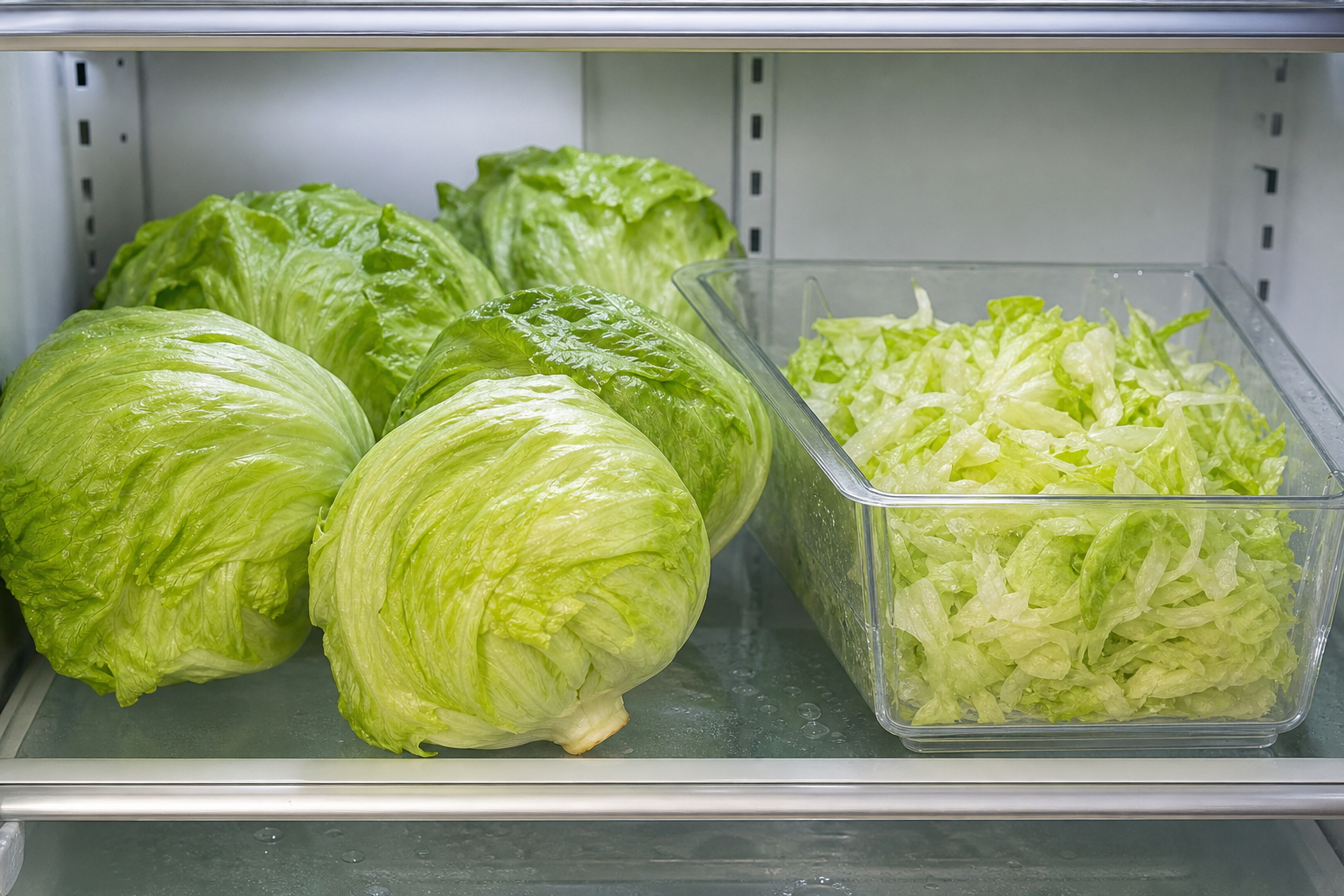
Find the latest details on the 2026 Cyclospora outbreak linked to Taylor Farms iceberg lettuce, including recalled products, affected states and symptoms.
U.S. health officials are continuing an open investigation into a multistate outbreak of cyclosporiasis linked to iceberg lettuce supplied by Taylor Farms de Mexico. The CDC’s latest update, dated September 3, 2026, reports 11,458 illnesses in 20 states, 495 hospitalizations and two deaths.
The illnesses are caused by Cyclospora cayetanensis, a microscopic parasite that can contaminate food or water. Most people in this specific outbreak reported eating processed iceberg lettuce from Taylor Farms de Mexico at restaurants or after purchasing it from stores. Some patients had previously reported eating at Taco Bell, where the implicated lettuce was served earlier in the investigation.
The investigation remains open, but the CDC and FDA say the recalled lettuce should no longer be available in stores or restaurants. The recalled product’s best-by dates have passed, and the FDA says it is confident the lettuce connected to this outbreak has been removed from the market.

On July 17, 2026, Taylor Farms de Mexico voluntarily removed all iceberg lettuce sourced from central Mexico from the U.S. market. The recall included food-service products shipped to restaurants and institutions, along with select retail products sold under the Marketside brand at Walmart.
| Product | Package sizes | Best if Used By dates |
|---|---|---|
| Marketside Iceberg Salad | 12 ounces and 24 ounces | July 18, 2026, through August 3, 2026 |
| Marketside Shredded Lettuce | 8 ounces and 16 ounces | July 18, 2026, through August 3, 2026 |
The retail products were distributed to select Walmart stores in Alabama, Arkansas, Florida, Georgia, Indiana, Kansas, Kentucky, Louisiana, Missouri, Mississippi, Oklahoma, Tennessee, Texas, Virginia and West Virginia.
The food-service recall is broader and includes iceberg lettuce sold under several product codes and labels, including CV, JB, MARK, MKTSD, PK, SUB, SY and TF. Recalled formats include shredded lettuce, chopped lettuce, lettuce salad mixes and blends containing iceberg and romaine lettuce. Many were packed in four- or five-pound cases for restaurant and institutional use.
Confirmed food-service distribution included Alabama, Arkansas, Connecticut, Florida, Georgia, Iowa, Illinois, Indiana, Kansas, Kentucky, Louisiana, Massachusetts, Maine, Maryland, Michigan, Missouri, Mississippi, North Carolina, Nebraska, New Hampshire, New Jersey, New York, Ohio, Oklahoma, Pennsylvania, South Carolina, Tennessee, Texas, Virginia, Wisconsin and West Virginia. The product may also have reached additional areas, including the District of Columbia, Delaware, North Dakota, Puerto Rico, Rhode Island, South Dakota, Vermont and Washington.
Because the food-service list contains many lot codes and date ranges, restaurants, schools and other institutions should compare their inventory with the full FDA recall notice rather than relying only on the retail product names above.
Watery diarrhea is the most common symptom. People may have frequent bowel movements along with several other digestive symptoms:
Vomiting, body aches, headaches and a low-grade fever can also occur. Some infected people have no symptoms at all.
Symptoms usually start about one week after eating contaminated food or drinking contaminated water, although the timing can range from about two days to two weeks or longer. That delay can make it difficult to identify which meal caused the illness.
Without treatment, symptoms can last from several days to a month or longer. Diarrhea may improve and then return, and tiredness can continue after the worst digestive symptoms have eased. People with weakened immune systems may experience more severe or prolonged illness, including dehydration and complications requiring medical care.

Do not assume that every case of Cyclospora illness is connected to this recall. The CDC is also investigating other cyclosporiasis illnesses and outbreaks in the United States that may have different sources.
The current U.S. advisory is focused on recalled Taylor Farms de Mexico iceberg lettuce and its associated food-service products, not every iceberg lettuce product on the market. The CDC and FDA say the recalled product’s dates have passed and that it should no longer be available.
Washing fresh produce under running water is still recommended, but washing cannot guarantee removal of Cyclospora. Cooking produce to at least 158°F (70°C) can kill the parasite. Wash your hands before and after handling fruits and vegetables, keep cut produce refrigerated and avoid eating food that is subject to an active recall.
The U.S. investigation and distribution lists do not establish that all Canadian iceberg lettuce is affected. The Canadian government says Cyclospora is not common in Canadian food or drinking water, but imported produce can be a source of infection because the parasite is more common in tropical and subtropical regions, including Mexico.
Canada has previously investigated Cyclospora outbreaks involving imported salad mixes, herbs and berries. Canadian shoppers should check the Canadian Food Inspection Agency’s current recalls and safety alerts for any Canada-specific notice, especially if they bought imported or pre-packaged produce.
Anyone in Canada or the United States who develops prolonged watery diarrhea after eating potentially contaminated produce should contact a healthcare professional and mention recent food, travel and restaurant exposures.
A. Direct person-to-person spread is unlikely. The parasite generally needs time outside the body to become infectious, so infections are more commonly associated with contaminated food or water.
A. Washing produce under running water is recommended, but it cannot guarantee removal of Cyclospora. Do not eat products covered by a recall, and cooking produce thoroughly is more reliable for killing the parasite.
A. A healthcare provider may order stool testing, but routine stool tests do not always screen for Cyclospora. Tell the provider about persistent diarrhea and any recalled lettuce, restaurant or travel exposure.
A. The recall concerns iceberg lettuce sourced from central Mexico and products made with that lettuce. It does not automatically include every Taylor Farms product, salad or type of lettuce. Compare the product with the official FDA recall notice.
A. Seek prompt medical advice for ongoing or severe diarrhea, signs of dehydration, inability to keep fluids down, worsening weakness or illness in a young child, older adult or person with a weakened immune system.








FDA Infant Formula Standards Proposal: What Parents Need to Know About Nutrient Changes and the Comment Deadline