Welcome to KnowHow Daily!
Practical guides, money-saving tips, tech solutions, government benefits, and useful information for everyday life.
Welcome to KnowHow Daily!
Practical guides, money-saving tips, tech solutions, government benefits, and useful information for everyday life.

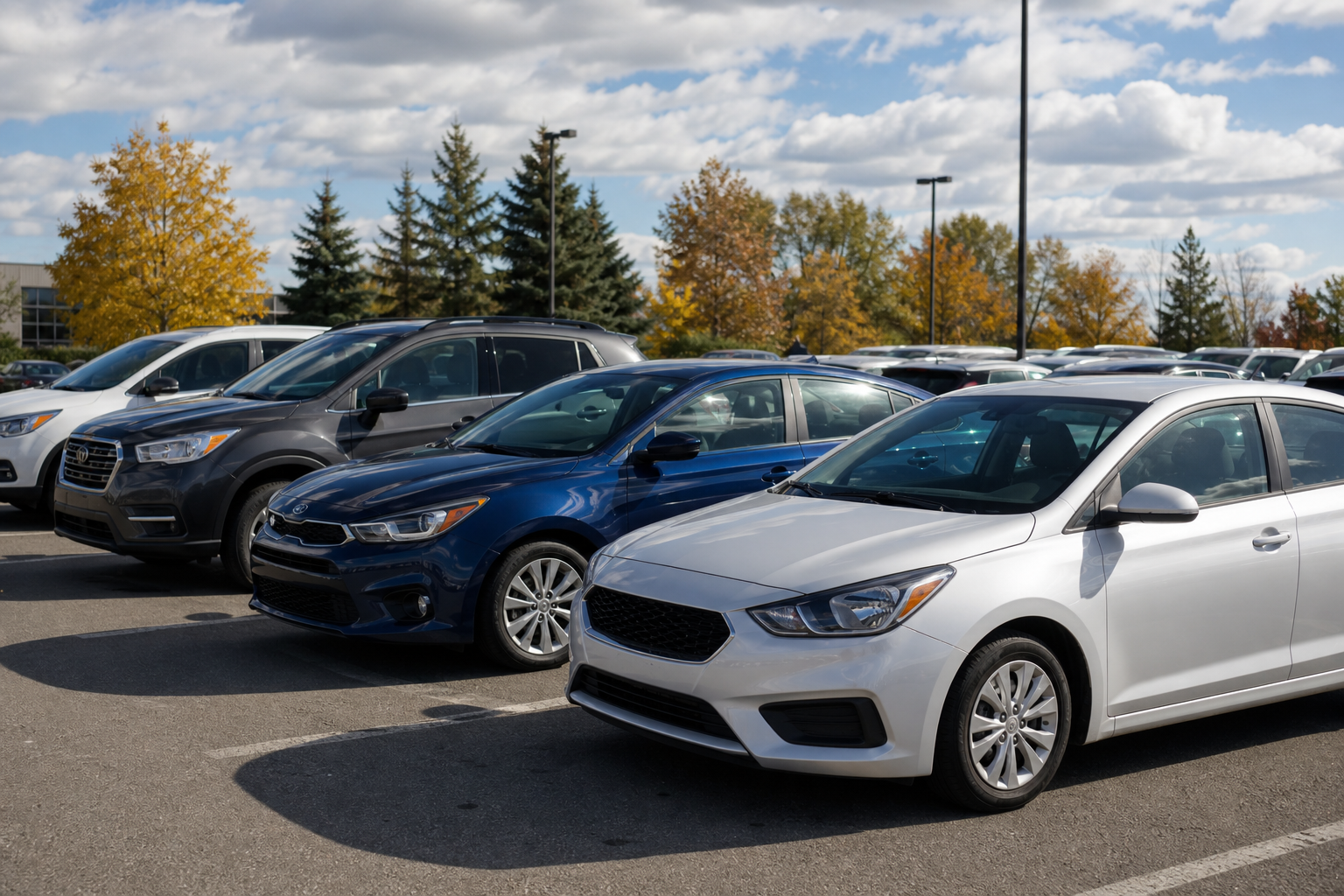
Compare the best used cars to buy in September 2026, including reliable sedans, SUVs, hybrids, CPO deals, and U.S. and Canadian buying tips.
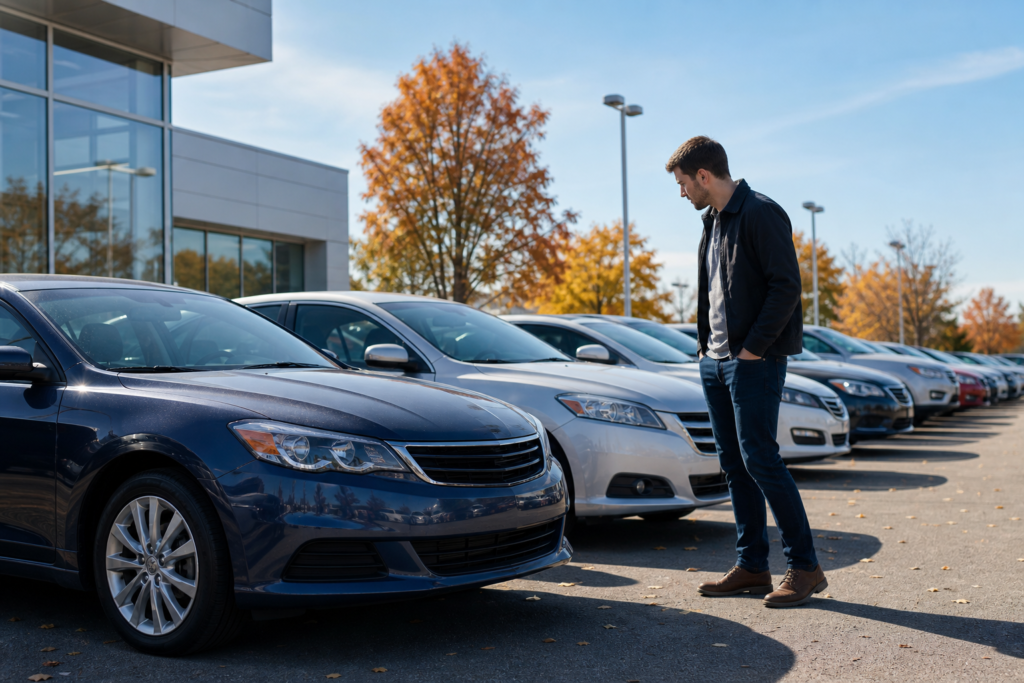
September is a sensible time to shop for a used vehicle, but buyers shouldn’t assume every Labor Day promotion is automatically a bargain. Used-car prices have stabilized in several parts of the market, while inventory remains tighter than it was before the pandemic. The best deal is usually the right vehicle at a fair all-in price—not simply the car with the biggest advertised discount.
For September 2026, the strongest choices are vehicles with good long-term reliability, broad parts availability, reasonable fuel costs, and enough market supply to let you compare several examples.
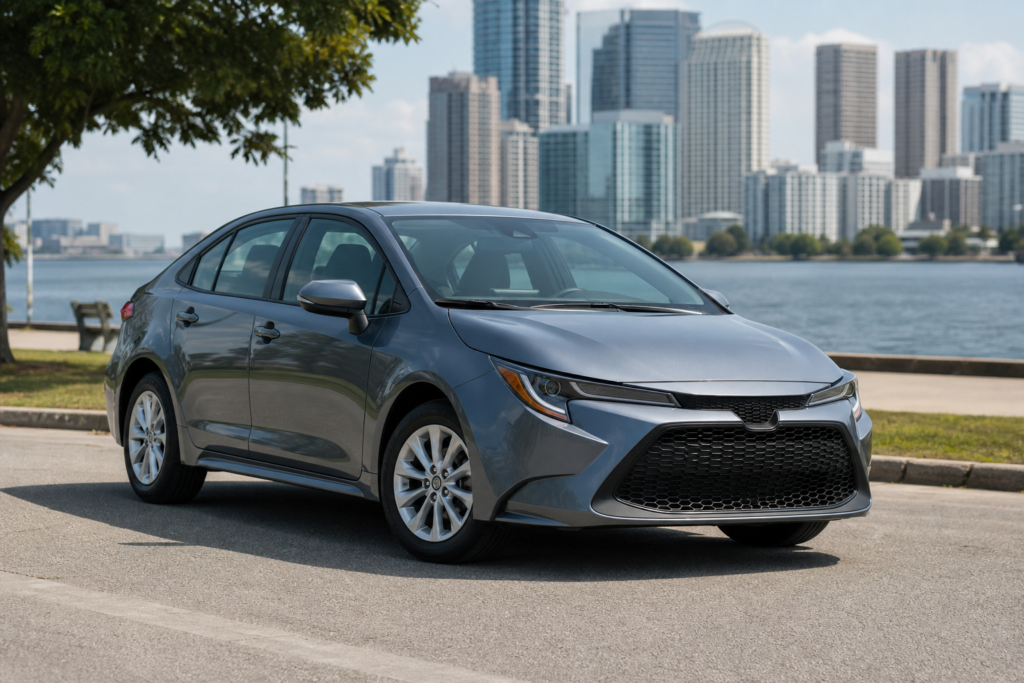
The Corolla is still one of the safest choices for a dependable, affordable used car. It’s easy to find in both the United States and Canada, generally inexpensive to insure and maintain, and available in sedan and hatchback body styles. Look for a 2019–2024 Corolla if your budget allows. These model years offer modern driver-assistance features without the price of a nearly new vehicle.
The Corolla Hybrid is worth considering for commuters, especially in urban areas. Check the hybrid battery warranty and confirm that the vehicle’s service records are complete.
A used Honda Civic remains a strong all-around choice for buyers who want better driving feel than many economy sedans provide. It offers good fuel economy, a roomy cabin for its class, and strong resale demand. Sedan and hatchback versions are widely available across North America.
When shopping older Civics, prioritize documented maintenance over unusually low mileage. A well-maintained car with average mileage is often a better buy than a neglected example with a lower odometer reading.
The Mazda3 is one of the best used cars for shoppers who want something compact but more enjoyable to drive. It is available as a sedan or hatchback, has a well-finished interior, and is usually priced below comparable Honda and Toyota models.
Inspect the underbody carefully if the car has spent winters in a heavily salted region. In Canada and the northern United States, rust condition can matter more than a modest difference in mileage. All-wheel drive is useful in snow, but it can add purchase price, fuel consumption, and maintenance costs.
The Camry Hybrid is a practical choice for drivers who want a larger sedan without moving to an SUV. It combines a comfortable ride with strong fuel economy and a reputation for durable hybrid components.
Ask for the hybrid-system inspection and review the remaining battery warranty. A pre-purchase inspection should also include the cooling system, brakes, suspension, and underbody. Hybrid regenerative braking can reduce brake wear, but it doesn’t eliminate the need to inspect the braking system.
The Honda CR-V continues to be one of the easiest used SUVs to recommend. It has a roomy back seat, useful cargo space, good fuel economy for its size, and strong demand in both countries. That popularity also means clean examples can be expensive, so compare several vehicles before making an offer.
For a used CR-V, verify whether it has all-wheel drive, check the service history, and look closely for signs of previous collision repair. A vehicle-history report is helpful, but it doesn’t replace an independent inspection.
The Mazda CX-5 is a particularly good fit for buyers who want an upscale-feeling compact SUV without paying luxury-brand repair costs. It has a quiet cabin, confident handling, and a wide range of used inventory.
Non-turbo models are usually the simpler choice for long-term ownership. Turbocharged versions deliver more power, but buyers should budget for higher fuel costs and carefully review maintenance records.
The Subaru Outback makes sense for drivers who regularly deal with snow, gravel roads, outdoor equipment, or light towing. Standard all-wheel drive and generous cargo space are major advantages in Canada and northern U.S. states.
Before buying, inspect the tires, suspension, wheel bearings, and underbody. Confirm that the maintenance schedule was followed, particularly on higher-mileage vehicles. An Outback with mismatched tires can also create problems for the all-wheel-drive system, so check that all four tires are properly matched.
Certified pre-owned financing is one of the more interesting areas to watch in September 2026. Current U.S. promotions include manufacturer-backed CPO offers on selected Mazda, Subaru, and Volkswagen vehicles, although eligibility depends on model year, credit approval, term length, and dealer participation.
Recent September offers include promotional financing on selected 2024–2026 Mazda CX-70 and CX-90 vehicles, lower-rate financing on certain Subaru Solterra models, and special financing on selected Volkswagen ID.4 vehicles. These offers can be worthwhile if you want a newer used vehicle and qualify for the advertised rate.
Compare the total amount financed, not just the monthly payment. A low APR over a short term may cost less overall than a longer loan with a lower monthly payment. Request the out-the-door price in writing and ask whether dealer-installed products, documentation fees, or optional service contracts are included.
Canadian shoppers face many of the same choices, but the buying process can differ by province. Taxes, registration costs, inspection rules, lien checks, and private-sale documents are not identical across Canada.
In Ontario, for example, a private buyer may need a Used Vehicle Information Package. Other provinces have different requirements. Before paying a private seller, verify the VIN, check for liens through the appropriate provincial service, and confirm that the seller’s name matches the registration documents.
Rust deserves extra attention in Ontario, Quebec, Atlantic Canada, Manitoba, Saskatchewan, and Alberta. Look underneath the rocker panels, brake lines, suspension mounting points, subframes, and exhaust system. Surface corrosion is common, but structural rust can make a seemingly cheap vehicle a very expensive purchase.
Canadian buyers should also confirm whether an imported U.S. vehicle was properly registered and repaired after any previous damage. A history report, provincial registration records, and an independent inspection should all agree before you proceed.
Often, yes. Recent U.S. market data shows that used cars such as sedans, coupes, wagons, and convertibles average roughly $5,000 less than used SUVs on the same marketplace. Used sedans have also seen increased demand as shoppers look for lower purchase prices and better fuel economy.
That doesn’t mean every sedan is a bargain. Popular models such as the Civic, Corolla, and Camry can retain their value strongly. The best opportunities may come from less fashionable but dependable models, including the Mazda6, Hyundai Elantra, Kia Forte, and Volkswagen Jetta, provided the specific vehicle has a clean history and complete maintenance records.
U.S. buyers purchasing from a dealer should read the Federal Trade Commission Buyers Guide, which states whether the vehicle is sold with a warranty or “as is.” Canadian buyers should review the purchase contract carefully and check their provincial consumer-protection rules, since used-vehicle remedies vary by province and territory.
For U.S. vehicles, use the National Highway Traffic Safety Administration recall lookup. In Canada, use Transport Canada’s recall database and VIN resources. Open safety recalls are generally repaired by the manufacturer at no charge, but you should confirm the repair status before completing the purchase.
A. September can be a good time to shop because dealers may be motivated to move older inventory and manufacturers sometimes offer special CPO financing. However, used-car discounts vary by model and region. Compare the total out-the-door price rather than relying on a Labor Day promotion.
A. A certified pre-owned vehicle may be worth the extra cost if it includes a meaningful warranty, a documented inspection, and favorable financing. A regular used car can be the better value when it has strong service records and passes an independent inspection.
A. There is no single safe budget because prices differ by country, province, state, model, mileage, and condition. Build your budget around the complete monthly cost, including financing, insurance, fuel, repairs, registration, and taxes.
A. A three- to seven-year-old vehicle is often a useful starting range because much of the initial depreciation has already occurred while modern safety and convenience features remain available. Condition, maintenance history, rust, and accident damage matter more than age alone.
A. Do not assume there is a cooling-off period. In the United States, federal law generally does not require dealers to provide three days to cancel a vehicle purchase. Canadian return rights vary by province and contract, so any return policy should be written into the agreement before you sign.