Welcome to KnowHow Daily!
Practical guides, money-saving tips, tech solutions, government benefits, and useful information for everyday life.
Welcome to KnowHow Daily!
Practical guides, money-saving tips, tech solutions, government benefits, and useful information for everyday life.

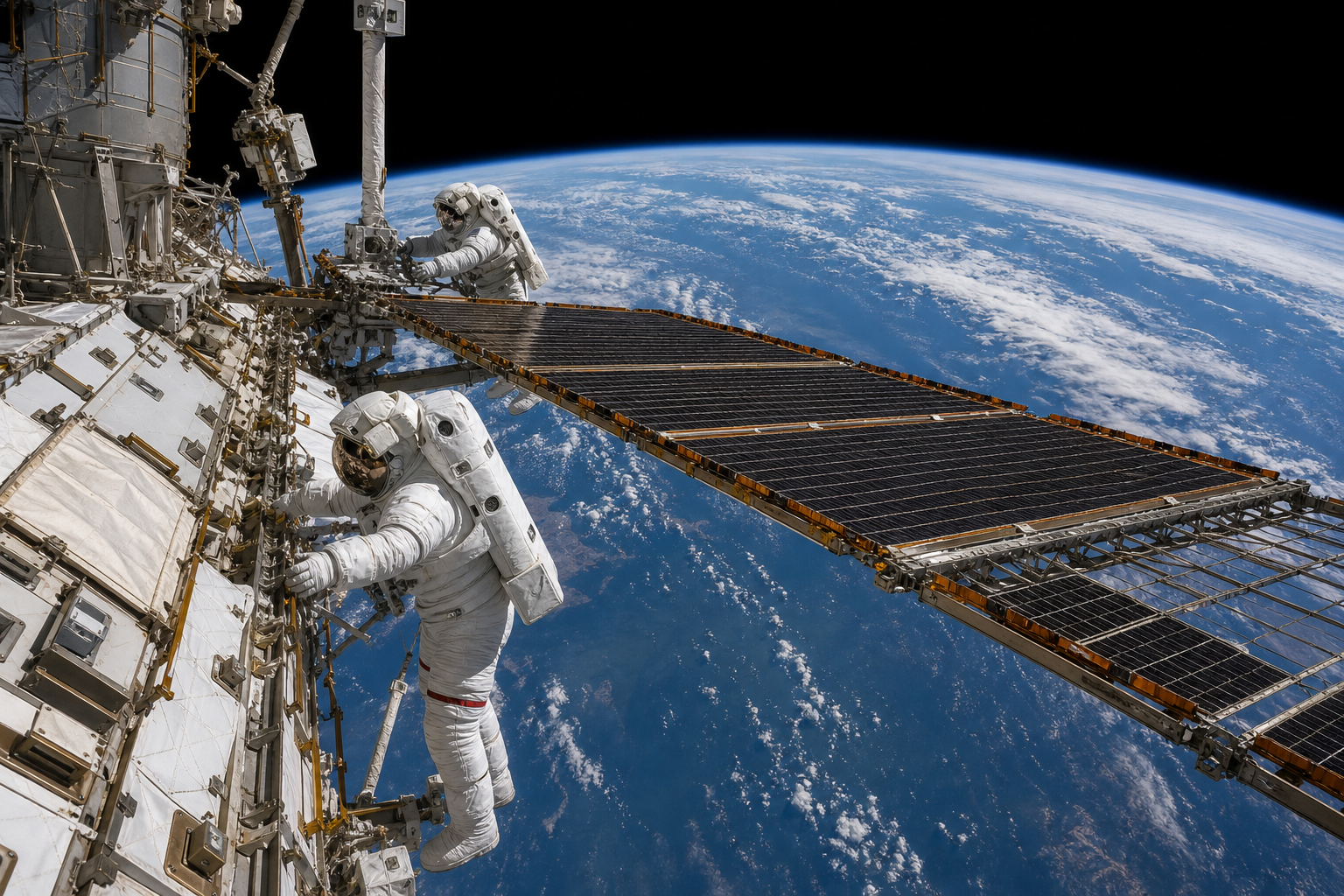
NASA’s ISS spacewalks 100 and 101 are scheduled for October 29 and November 5, 2026. Here’s who is going, what they’ll install, and how to watch.
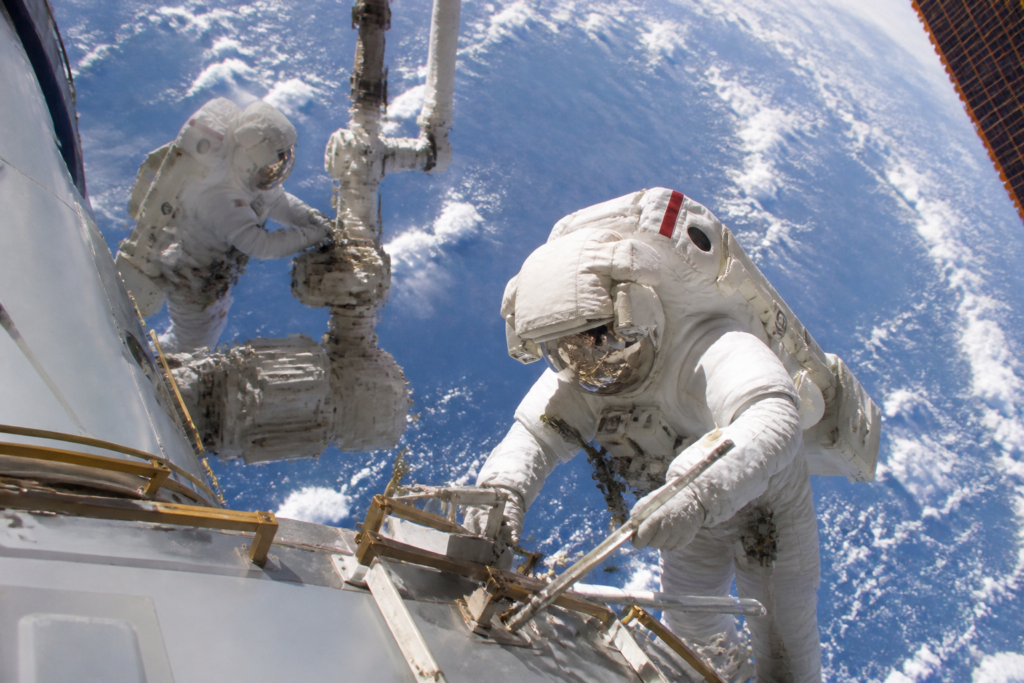
NASA is preparing for two closely scheduled spacewalks that will complete the International Space Station’s current solar-array upgrade. U.S. spacewalk 100 is scheduled for Thursday, October 29, 2026, followed by U.S. spacewalk 101 on Thursday, November 5.
NASA astronaut Anil Menon and Canadian Space Agency astronaut Joshua Kutryk will leave the station through the Quest airlock for both excursions. Their main job is to install and deploy the final two International Space Station Roll-Out Solar Arrays, commonly called IROSAs.
The work matters because the arrays will add electrical capacity to an aging but still heavily used orbital laboratory. Once all eight IROSAs are operating, NASA says the station’s available power-generation capacity will rise by up to 30%, from about 160 kilowatts to approximately 215 kilowatts.
| Spacewalk | Date | Crew | Planned work | NASA coverage |
|---|---|---|---|---|
| U.S. spacewalk 100 | Thursday, October 29, 2026 | Anil Menon and Joshua Kutryk | Install and deploy the seventh IROSA on the 2A electrical power channel | Begins at 6:30 a.m. EDT; spacewalk scheduled to start at 8:00 a.m. EDT |
| U.S. spacewalk 101 | Thursday, November 5, 2026 | Anil Menon and Joshua Kutryk | Install and deploy the eighth and final IROSA on the 3B channel | Begins at 6:45 a.m. EST; spacewalk scheduled to start at 8:10 a.m. EST |
The time-zone change is easy to miss. The first event is listed in Eastern Daylight Time, while the second is listed in Eastern Standard Time because daylight saving time ends in the United States and Canada on November 1, 2026.
Anil Menon is scheduled to make his fourth spacewalk during the October 29 operation. Joshua Kutryk is scheduled to make his first spacewalk. The two astronauts have been preparing together inside the Quest airlock, checking tools, tethers, spacesuits, communications equipment, and life-support systems.
Other Expedition 75 crew members will support the work from inside the station. NASA has identified Jessica Watkins and Luke Delaney as part of the team reviewing procedures for helping the spacewalkers in and out of their suits.
The astronauts will not be carrying the arrays from Earth by hand. The two roll-out solar arrays were delivered to the station aboard a SpaceX Dragon cargo spacecraft. Canadarm2 and ground controllers help move the hardware into position before the spacewalkers complete the external installation and deployment steps.
NASA plans to stream both spacewalks through NASA+, YouTube, X, Discovery+, and Amazon Prime. NASA’s live-events schedule is the best place to confirm any last-minute changes, including revised start times or coverage plans.
Coverage is expected to begin before the astronauts leave the Quest airlock. That early portion usually includes mission-control commentary, preparation inside the station, and explanations of the day’s objectives. The exact duration of each spacewalk can change depending on conditions and progress.
The IROSA system is designed to work alongside the station’s original solar arrays. The newer roll-out panels are smaller and more compact during transport, then extend into long, flexible power-generating wings once attached to the station’s truss.
Completing the installation gives the station more electrical margin for research, life-support systems, visiting spacecraft, and other operations. NASA also says the additional power will support critical station operations, including the space station’s eventual safe and controlled deorbit.
This does not mean the station is being given unlimited new capacity. The arrays are part of a planned power augmentation project, and their output depends on the station’s orientation, sunlight exposure, operating conditions, and the performance of the wider electrical system.
If both operations proceed as planned, the November 5 excursion will complete installation of the eighth and final IROSA in this upgrade sequence. NASA has described the pair as the 285th and 286th spacewalks conducted in support of International Space Station assembly, maintenance, and upgrades.
As with any spacewalk, the schedule can change because of weather affecting supporting launches or spacecraft operations, technical issues, crew health, or conditions aboard the station. NASA’s live-events schedule and space station updates will provide the current status before each operation.
As of October 26, 2026, both spacewalks remain scheduled for October 29 and November 5. NASA has confirmed the crew, the installation objectives, and the planned viewing times, but the final duration and detailed activity timeline may change during mission operations.
A. Yes. As of October 26, 2026, NASA lists spacewalk 100 for October 29 and spacewalk 101 for November 5. Spacewalk schedules can still change because of technical, medical, or operational conditions.
A. Spacewalk 100 is planned to install the seventh IROSA on the station’s 2A electrical power channel. Spacewalk 101 is planned to install the eighth and final IROSA on the 3B channel.
A. No. Joshua Kutryk’s November 2026 operation is scheduled to be his first spacewalk, but Canadian astronauts have conducted spacewalks before him.
A. No. The roll-out arrays are being installed to work alongside the station’s original solar arrays and increase the station’s overall available electrical power.