Welcome to KnowHow Daily!
Practical guides, money-saving tips, tech solutions, government benefits, and useful information for everyday life.
Welcome to KnowHow Daily!
Practical guides, money-saving tips, tech solutions, government benefits, and useful information for everyday life.

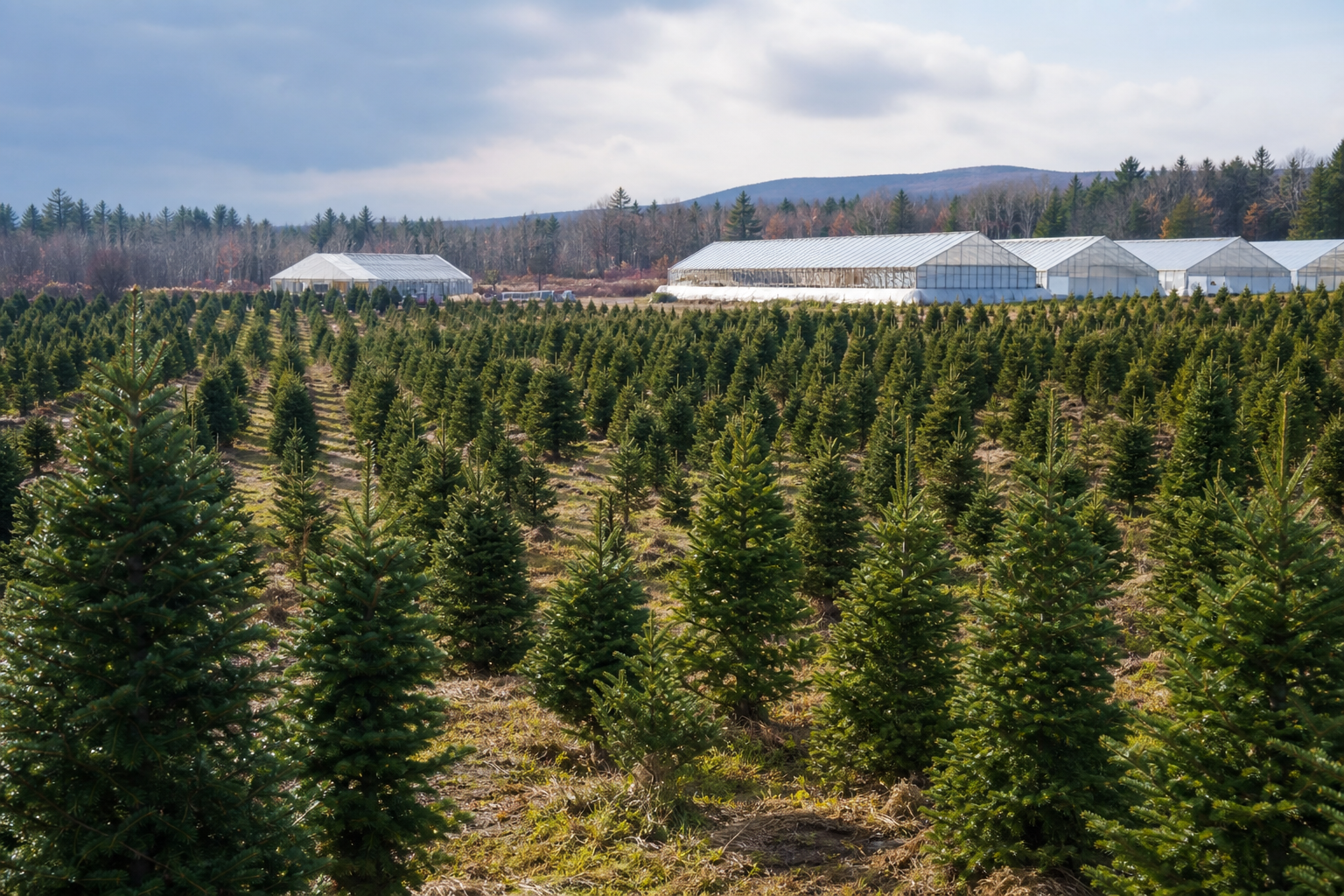
Health Canada is consulting on proposed sulfoxaflor uses for greenhouse ornamentals and fir trees. Learn what is proposed and how to comment by October 2, 2026.

Health Canada is accepting public comments on a proposed registration for Closer Insecticide, a product containing the active ingredient sulfoxaflor. The consultation opened on September 2, 2026, and closes on October 2, 2026.
The proposed uses cover two specific pest-control situations:
The proposal is identified as Proposed Registration Decision PRD2026-11. Health Canada’s Pest Management Regulatory Directorate says its evaluation found the product’s health and environmental risks, as well as its value, acceptable when used under the proposed label conditions. That finding is part of the proposed decision, not a final approval.

Balsam woolly adelgid is an important pest concern for fir growers, and Health Canada says the proposed use would provide an alternative to the single pest-control product currently registered for that pest. In greenhouse production, the proposal would add another option for managing aphids, which can reproduce quickly and reach high numbers under greenhouse conditions.
For readers who are not pesticide specialists, the key point is that Health Canada is reviewing whether these additional uses should be allowed in Canada. The consultation is an opportunity to provide evidence, technical information, or concerns before the agency makes its final decision.
This is a Canadian regulatory process. It does not itself change pesticide rules in the United States or announce a U.S. Environmental Protection Agency decision.
Health Canada describes sulfoxaflor as a conventional chemical insecticide that affects the nervous system of insects. It has systemic activity, meaning the plant can transport the active ingredient through its tissues, and it is used against sap-feeding insect pests.
For the proposed Closer Insecticide uses, Health Canada’s summary says human-health risks are not expected to be a concern when the product is used according to the proposed label directions. The assessment considered possible exposure through handling and application, re-entry into treated areas, food, and drinking water.
The proposed label would require workers who mix, load, or apply the product, along with workers carrying out cleaning or repair activities, to wear a long-sleeved shirt, long pants, chemical-resistant gloves, socks, and shoes. A 12-hour restricted-entry interval would also apply after treatment.
The product would not be intended for residential use. The proposed label would also prohibit handheld airblast equipment, misters, and foggers for application, and would include a standard statement intended to reduce spray drift.
Health Canada’s summary identifies sulfoxaflor as toxic to bees and beneficial arthropods. Its transformation products also have the potential to leach into groundwater, so the proposed registration includes environmental precautions.
For greenhouse ornamentals, the proposed label would tell users to avoid applying sulfoxaflor when bees or other beneficial arthropods used in greenhouse production are present in the treatment area. It would also prohibit the discharge of greenhouse releases, effluent, or runoff to water.
For field-grown fir trees, including Christmas trees, Health Canada says the proposed use is not expected to increase risks to non-target organisms compared with an already registered use on field crops when label directions are followed.
These statements describe Health Canada’s current assessment. They do not mean that every environmental question has been permanently settled, which is one reason written comments are accepted before the final decision.
Anyone can submit a comment, but the consultation may be especially relevant to:
Health Canada says comments should be directly related to PRD2026-11. A useful submission could address the science evaluation, proposed application conditions, worker protections, effects on bees and beneficial insects, water protection, or the practical value of the proposed uses.
The quickest online route is Health Canada’s Public Engagement Portal. Select the consultation document for Closer Insecticide, containing sulfoxaflor, and identify the topic of your comment.
Review the PRD2026-11 consultation summary Submit comments through the official Consultation Comment formThe form asks for your name and contact information, organization details if applicable, the consultation document, and the issue you want to address. You can submit up to three comments directly in the form. If you have more than three points, Health Canada says you can include additional comments in an attachment.
Health Canada also lists contact information for the Pesticides Publications Section. If you are submitting by another method, include the title of the consultation document so the comment can be matched to the correct proposal.
After the consultation closes, Health Canada will review written comments that are directly related to the proposed decision. The agency will then publish a Registration Decision for Closer Insecticide containing sulfoxaflor.
That final document is expected to state whether the proposed registration is approved, approved with conditions, or not approved. It will also include the reasons for the decision and a summary of relevant comments with Health Canada’s responses.
Until that final decision is published, the proposed uses should not be treated as a new general authorization to use Closer Insecticide in Canada. Pesticide users must follow the product’s legally approved label and applicable provincial or territorial requirements.
The consultation is open as of September 25, 2026, and the deadline is October 2, 2026. The proposal covers targeted uses on greenhouse ornamentals and field-grown fir trees, including Christmas trees. Health Canada has not yet published the final registration decision for PRD2026-11.
A. No. PRD2026-11 is a proposed registration decision. Health Canada is accepting comments until October 2, 2026, and will publish a final Registration Decision afterward.
A. Yes. The consultation is open to the public. Comments should be specific and directly related to the proposed decision, such as the science evaluation, environmental safeguards, worker protections, or the value of the proposed uses.
A. The proposed new uses cover greenhouse ornamentals and field-grown fir trees, including Christmas trees. It does not propose a new use on food crops.
A. A consultation happens before the final decision. Health Canada reviews relevant public comments and then decides whether to approve, reject, or modify the proposed registration. A product or use should not be treated as newly authorized until the final decision and approved label are issued.








FDA Infant Formula Standards Proposal: What Parents Need to Know About Nutrient Changes and the Comment Deadline