Welcome to KnowHow Daily!
Practical guides, money-saving tips, tech solutions, government benefits, and useful information for everyday life.
Welcome to KnowHow Daily!
Practical guides, money-saving tips, tech solutions, government benefits, and useful information for everyday life.

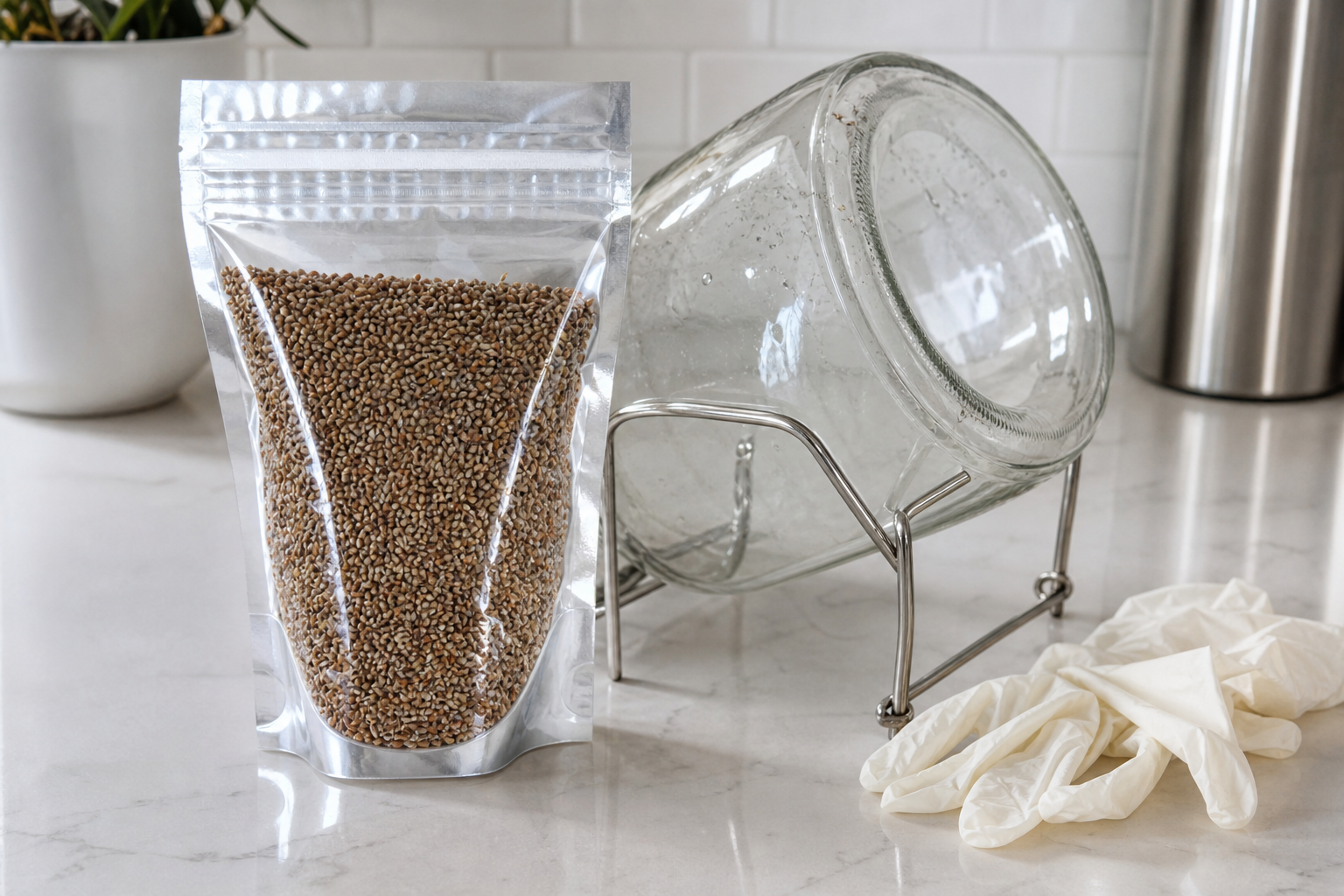
Berlin Seeds recalled alfalfa sprouting seed over possible E. coli and Salmonella contamination. Check package details, affected states, cleanup steps, and symptoms.
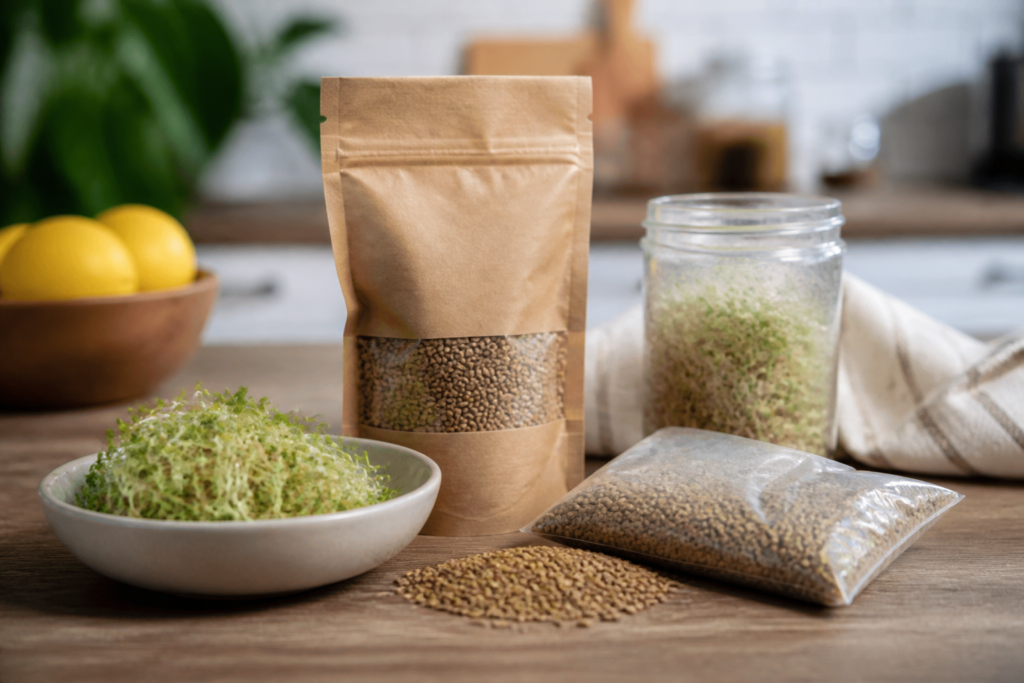
Berlin Seeds of Millersburg, Ohio, recalled 950 pounds of alfalfa sprouting seed on September 23, 2026. The FDA says the seed may be contaminated with Shiga toxin-producing Escherichia coli (STEC) and/or Salmonella.
The recalled seed was sold at the Berlin Seeds retail store and through the company’s website from February 13 through August 23, 2026. The company reported one illness directly connected with the seed as of the recall announcement.
Consumers should not eat, sprout, plant, sell, donate, or give away the affected seed. Any sprouts already grown from it should also be thrown away.
View the official FDA Berlin Seeds recall notice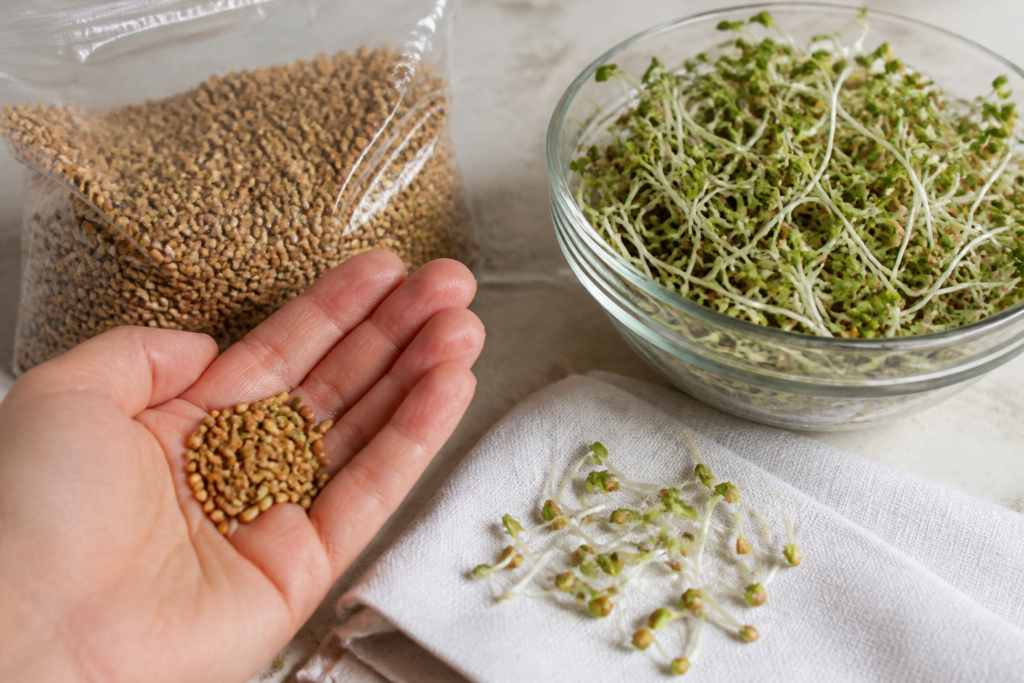
The product was sold under the Berlin Seeds label in five package sizes:
| Package size | Packaging | Lot-code information |
|---|---|---|
| 1/4 lb. | Resealable bag | No lot code printed |
| 1/2 lb. | Resealable bag | No lot code printed |
| 1 lb. | Resealable bag | No lot code printed |
| 5 lb. | Resealable bag | Lot code SAL2-24JB |
| 50 lb. | Non-resealable poly woven bag | Lot code SAL2-24JB |
The lot code appears in the bottom-right corner of the label on the 5-pound and 50-pound packages. Because the smaller packages do not have a lot code, a Berlin Seeds alfalfa sprouting seed package in any of the recalled sizes should be treated as affected if it was purchased during the recall distribution period.
The FDA notice says no other Berlin Seeds sprouting seeds are included in this recall. That statement applies to other seed products, not to the recalled alfalfa sprouting seed in the package sizes listed above.
The recalled product was sold to customers in these states:
Canada is not listed in the FDA distribution information. This specific recall notice concerns U.S. sales, but Canadian consumers who obtained the product through cross-border shipping should avoid using it and contact Berlin Seeds for guidance.
Do not taste the seeds, rinse them for use, plant them, or try to grow another batch. Do not give the package to another person, retailer, community garden, or animal owner.
Place the seed in a sealed bag before putting it in the trash. If you have already grown sprouts from the seed, throw those sprouts away as well. Do not eat them even if they look, smell, or taste normal.
Wash jars, trays, sprouting lids, strainers, counters, sinks, utensils, and other surfaces that may have contacted the seed or sprouts. Start with hot, soapy water or a dishwasher when the item is dishwasher-safe, then use a food-contact surface sanitizer according to the product label.
Cleaning removes soil and food residue; sanitizing is the additional step intended to reduce remaining germs. Keep the recalled seed and discarded sprouts away from clean dishes, ready-to-eat food, and food-preparation areas while cleaning.
STEC E. coli can cause severe stomach cramps, diarrhea that may be bloody, and vomiting. Symptoms commonly begin about three to four days after exposure, although timing can vary. A serious complication called hemolytic uremic syndrome, or HUS, can affect the kidneys.
Salmonella commonly causes diarrhea, fever, and stomach cramps. Symptoms often begin six hours to six days after infection. Young children, adults age 65 and older, and people with weakened immune systems may be more likely to develop severe illness.
Contact a health care provider promptly if you develop bloody diarrhea, severe stomach cramps, diarrhea lasting more than two days, a fever higher than 102°F, repeated vomiting that prevents you from keeping liquids down, or signs of dehydration such as very little urination, a dry mouth, or dizziness. Do not use anti-diarrheal medicine without medical advice if you have bloody diarrhea or a fever.
If you are pregnant, caring for a young child, or have a weakened immune system, contact a health care provider sooner if symptoms appear. Tell the provider that you may have eaten sprouts grown from recalled Berlin Seeds alfalfa seed.
Berlin Seeds says consumers with questions or requests for a replacement can call 877-464-0892 Monday through Friday from 8:00 a.m. to 4:00 p.m. Eastern Time, or email order@berlinseeds.life. Retailers and distributors should stop selling or distributing the seed, dispose of inventory according to local requirements, and clean and sanitize containers and surfaces that came into contact with it.
The FDA notice does not provide a general recall end date. Until the company or FDA posts an update, treat the affected packages as recalled.
A. No. The FDA notice identifies Berlin Seeds alfalfa sprouting seed in the listed package sizes. It says other Berlin Seeds sprouting seeds are not part of this recall.
A. The FDA says those smaller packages do not bear a lot code. If the package is Berlin Seeds alfalfa sprouting seed and was sold during the February 13 to August 23, 2026 distribution period, do not use it. Contact Berlin Seeds if you need help confirming the product.
A. No. Washing does not make recalled seed safe to eat or sprout. Discard the seed and any sprouts already grown from it.
A. The recall notice does not recommend routine testing for people without symptoms. Monitor for diarrhea, stomach cramps, vomiting, fever, or other signs of foodborne illness, and contact a health care provider if symptoms develop or if you are at higher risk for severe illness.








FDA Infant Formula Standards Proposal: What Parents Need to Know About Nutrient Changes and the Comment Deadline