Welcome to KnowHow Daily!
Practical guides, money-saving tips, tech solutions, government benefits, and useful information for everyday life.
Welcome to KnowHow Daily!
Practical guides, money-saving tips, tech solutions, government benefits, and useful information for everyday life.

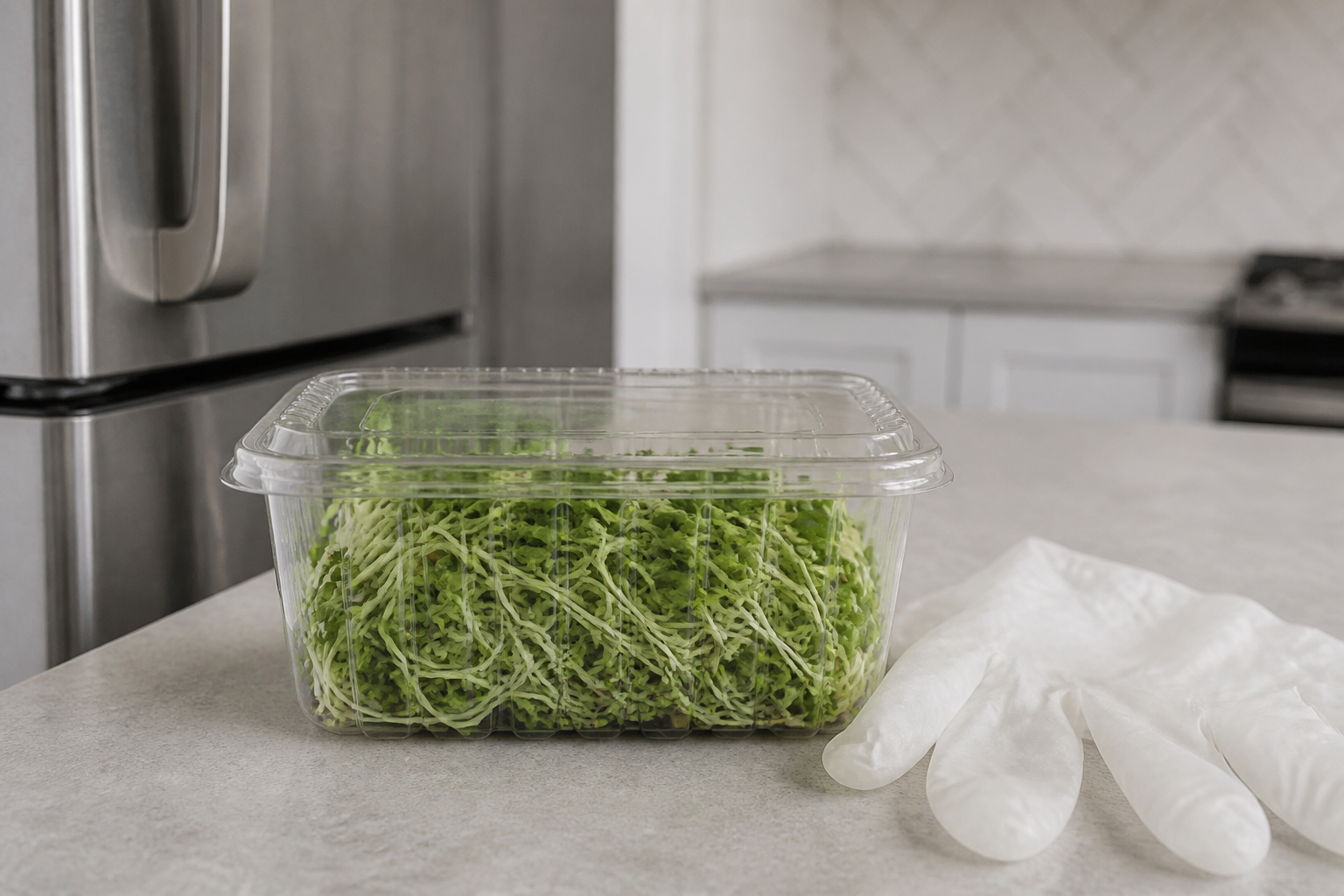
The FDA says recalled Evergreen Fresh Sprouts broccoli sprouts may be linked to a Salmonella outbreak. Check dates, distribution states, symptoms, and next steps.
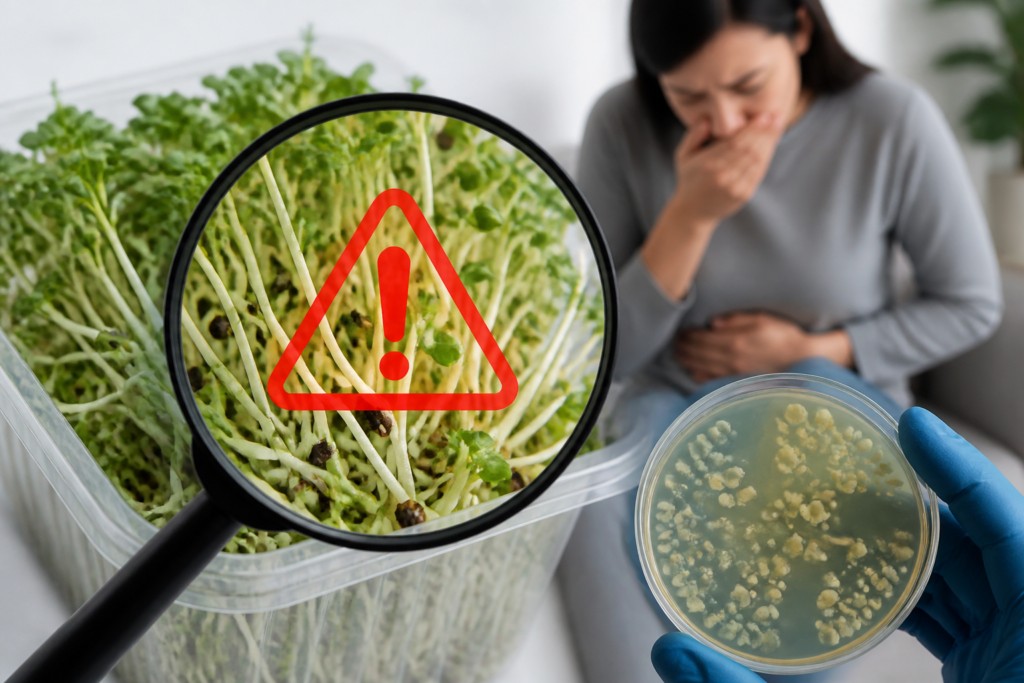
The U.S. Food and Drug Administration is investigating a multistate outbreak of Salmonella Bovismorbificans linked to broccoli sprouts grown by Evergreen Fresh Sprouts LLC of Moyie Springs, Idaho. The FDA says consumers, restaurants, and retailers should not eat, sell, or serve the recalled product while the investigation remains ongoing.
As of the FDA’s September 9, 2026 update, 22 people in Idaho, Montana, Utah, and Washington had been infected. Two people had been hospitalized, and no deaths had been reported. Illnesses began between July 7 and August 26, 2026.
The company began a recall on September 4 after a broccoli sprout sample collected and tested by Montana state officials was positive for Salmonella. Whole-genome sequencing indicated that the sample contained the same strain linked to illnesses in the outbreak. The FDA later posted the company’s recall announcement on September 10.
For the current federal investigation details, use the official FDA advisory below.
View the official FDA Salmonella sprouts outbreak advisory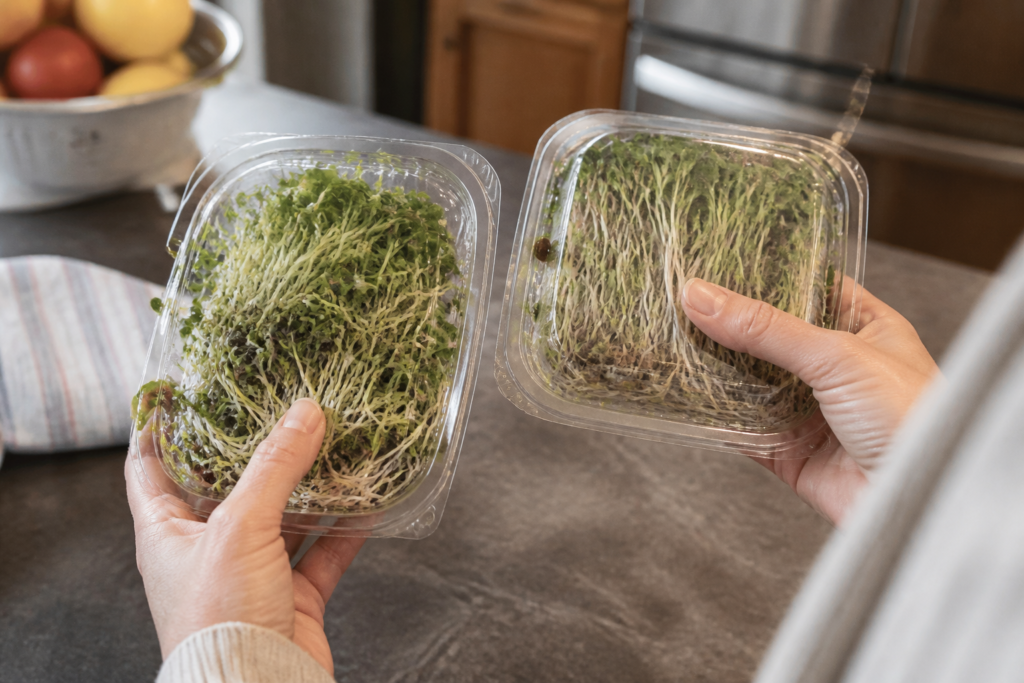
The recalled sprouts were sold in clear plastic bags or plastic clamshell containers. The FDA notice identifies them as broccoli sprouts grown by Evergreen Fresh Sprouts LLC. The product may not always display a familiar retail brand, so check the grower information, package size, and Use By date rather than relying only on the store where you bought it.
| What to check | Recall information |
|---|---|
| Product | Broccoli sprouts |
| Grower | Evergreen Fresh Sprouts LLC |
| Package formats | Plastic bags or plastic clamshell containers |
| Common package size | 4 ounces |
| UPC listed in the recall notice | 8 38796 00105 1 |
| Recalled Use By dates | September 7, 9, 11, 14, and 16, 2026 |
| Confirmed distribution | Idaho, Montana, and Washington |
The FDA says the product may have been distributed beyond the states listed above. If you bought the sprouts through a restaurant, food-service supplier, grocery delivery service, or a cross-border purchase, treat the package as potentially affected if the grower and date match the recall notice.
View the official broccoli sprouts recall noticeIf you have recalled sprouts, do not taste them, cook them, or try to rescue them by rinsing. Put the product in a sealed bag and discard it, or follow the retailer’s instructions for a safe return. Do not serve the sprouts to other people or give them to pets.
Do not mix bleach with other cleaning products. Follow the label instructions for any commercial sanitizer, and wash your hands again after cleaning.
Salmonella illness commonly causes diarrhea, fever, stomach cramps, nausea, vomiting, headache, and loss of appetite. The FDA says symptoms from this outbreak usually occur within 12 to 72 hours after eating contaminated food and often last four to seven days. The CDC gives a broader typical window of about six hours to six days, so a person should not rule out Salmonella only because symptoms started later.
Some people develop a more serious infection. Young children, older adults, and people with weakened immune systems are at higher risk of complications. Contact a healthcare provider if you ate the recalled sprouts and develop symptoms that resemble Salmonella infection.
Seek medical advice promptly for bloody diarrhea or urine, diarrhea or vomiting lasting more than two days, a fever above 102°F, or signs of dehydration such as very little urination, dark urine, extreme thirst, dry mouth, dizziness, or lightheadedness.
For symptom guidance and warning signs, use the official CDC information below.
Check official CDC Salmonella symptoms and warning signsRestaurants, grocery stores, and food-service operators should immediately check refrigerators, prep areas, display cases, and inventory for recalled broccoli sprouts. The product must not be sold, served, or used as an ingredient.
Businesses should isolate the product, follow the supplier’s disposal or return instructions, and assess whether the sprouts may have touched other food, utensils, containers, equipment, linens, or food-contact surfaces. Employees should wash their hands after handling the recalled product, and affected surfaces should be washed and sanitized before being used again.
The FDA also recommends that retailers and food-service operators contact their local health department if recalled product was handled or served at their facility, particularly if customers may have been exposed.
The FDA’s current notice confirms distribution in Idaho, Montana, and Washington and says the product may have traveled farther. It does not list confirmed Canadian distribution for this broccoli sprout recall. Canadian consumers who purchased the product in the United States, through a cross-border supplier, or from a retailer with unclear sourcing should compare the package against the FDA’s details and avoid eating it if it matches.
The FDA investigation is still ongoing. Additional distribution information, product details, or public health guidance could be added if investigators identify more affected products or locations.
A. No. Do not eat or serve the recalled sprouts, even after rinsing or cooking. Discard them safely and clean any surfaces or containers they touched.
A. No. The FDA recall applies to broccoli sprouts grown by Evergreen Fresh Sprouts LLC with the listed Use By dates of September 7, 9, 11, 14, or 16, 2026. The FDA investigation is ongoing, so check for updates if additional products are identified.
A. Monitor yourself for diarrhea, fever, stomach cramps, nausea, vomiting, or other symptoms during the days after exposure. Contact a healthcare provider if symptoms develop, especially if you are pregnant, very young, older, immunocompromised, or have a condition that increases the risk of severe infection.
A. The FDA has confirmed distribution in Idaho, Montana, and Washington and says the product may have traveled farther. The current FDA notice does not confirm Canadian distribution. If you bought the sprouts through a cross-border or uncertain supply channel, compare the package with the recalled grower and dates before eating it.








FDA Infant Formula Standards Proposal: What Parents Need to Know About Nutrient Changes and the Comment Deadline