Welcome to KnowHow Daily!
Practical guides, money-saving tips, tech solutions, government benefits, and useful information for everyday life.
Welcome to KnowHow Daily!
Practical guides, money-saving tips, tech solutions, government benefits, and useful information for everyday life.

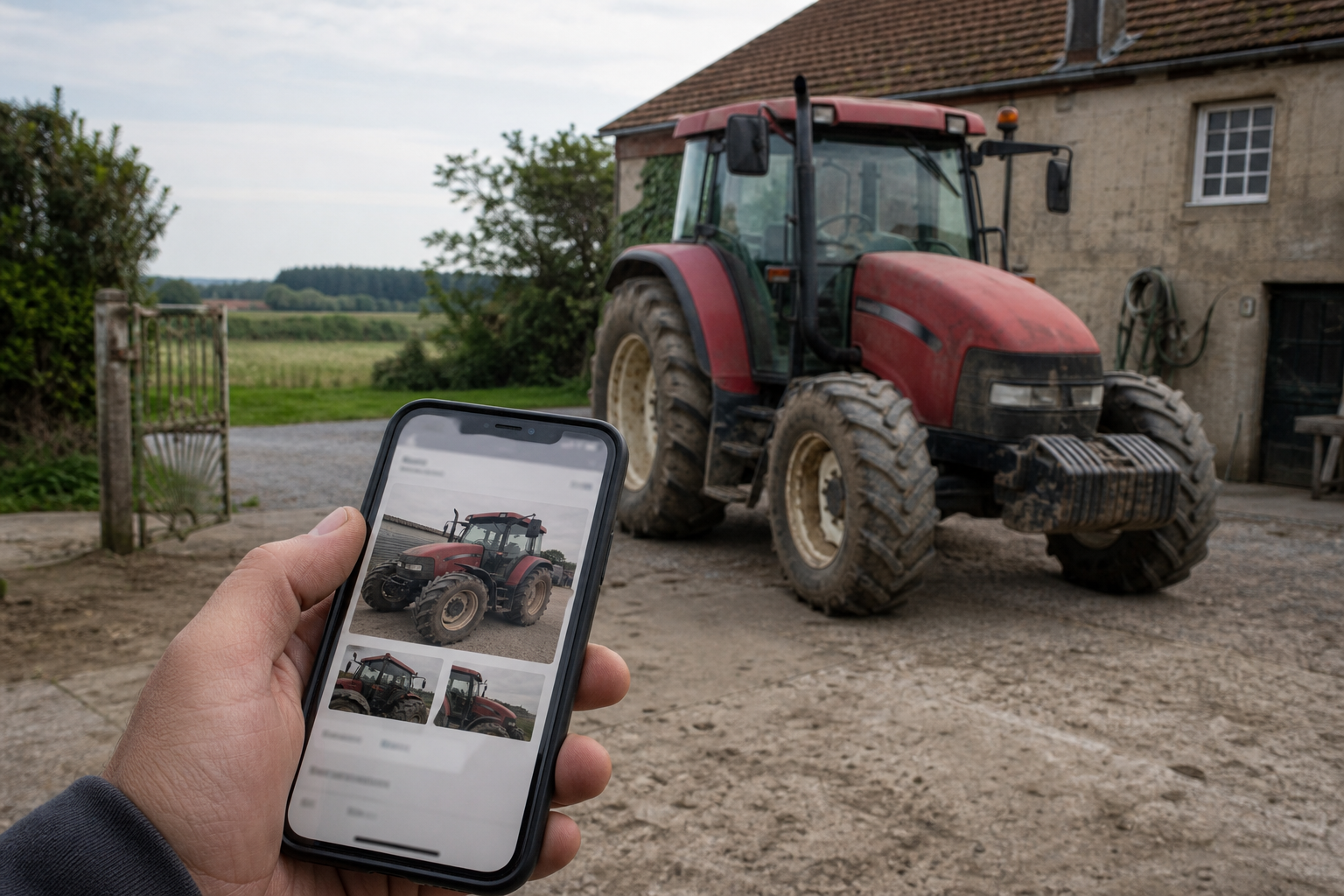
The FTC warns about fake farm-equipment businesses selling tractors online. Learn how to verify a seller, avoid risky payments, and report a scam in the U.S. or Canada.
The Federal Trade Commission warned on September 15, 2026, about scammers posing as legitimate farm-equipment businesses. The fake listings may appear in social media ads or search results and can use the name, photos, website style, and contact information of a real dealer.
The scam usually follows a familiar pattern. A buyer sees a tractor or other equipment at an attractive price, contacts the supposed seller, and receives a purchase agreement or invoice. The seller then asks for thousands of dollars as a deposit or full payment, often by wire transfer. A delivery date is scheduled, but the equipment never arrives. The scammer may disappear or invent an excuse, such as a problem with the delivery truck.
The FTC’s warning matters because a convincing ad, professional invoice, and familiar company name do not prove that the person on the other end is connected to the real business.

Use more than one verification method. A website that looks professional can still be copied, and a phone number in an online ad may connect you to the scammer rather than the real dealer.
Do not let a promised delivery date create pressure. A legitimate seller should be willing to give you time to verify the business and the equipment.
The FTC says buyers should not send money to anyone who insists on payment by wire transfer, gift card, cryptocurrency, or a payment app. These methods can be difficult or impossible to reverse once the recipient has the funds.
A request for a wire transfer is especially risky when the seller says it is the only way to secure the tractor, claims another buyer is waiting, or offers a discount for paying immediately. A safer transaction still requires you to understand the protections and dispute process offered by your bank, card issuer, marketplace, or payment provider.
Never send a deposit to a bank account that does not match the verified legal business, and do not trust a revised account number sent by email without confirming it through a phone number you found independently. If the seller refuses an inspection, avoids normal purchase procedures, or becomes aggressive when you ask questions, walk away.
If you already sent money, contact the bank, credit union, wire-transfer company, card issuer, or payment service immediately. Tell the company that the transaction was fraudulent and ask whether it can be reversed. The FTC says it is worth asking even when the payment method normally offers limited protection.
Preserve the evidence before deleting anything. Save the advertisement, website address, invoice, purchase agreement, emails, text messages, phone numbers, payment instructions, account details, and delivery promises. Screenshots can help if the listing or website disappears.
Report the incident or attempted scam to the FTC through its official reporting service:
If the seller used a real dealer’s name, photos, or branding, notify that business through contact information from its independently verified website. This gives the legitimate company a chance to warn other customers and secure compromised accounts or listings.
The FTC alert is U.S.-specific, but the same impersonation pattern can affect Canadian farmers, rural businesses, and equipment buyers. Canadian buyers should contact their financial institution immediately if they sent money and ask whether the transaction can be stopped or reversed.
Report the fraud or attempted fraud to the Canadian Anti-Fraud Centre, even if no money was lost. If money or personal information was involved, contact local police as appropriate and keep the report number with your transaction records.
Canadian buyers can also report misleading or deceptive marketing to the Competition Bureau. The bureau recommends gathering screenshots, contact details, payment information, and a record of what happened.
Report misleading or deceptive marketing to the Competition Bureau
| Check | What to confirm | Stop if |
|---|---|---|
| Business identity | Legal name, physical location, main phone number, and established website | The seller communicates only through a new email, text number, or social-media account |
| Equipment | Current location, serial number, photos, records, and an inspection or live video | The seller cannot show the machine or keeps changing its location |
| Invoice | Business details, exact equipment, terms, delivery information, and matching payment instructions | Bank details change suddenly or the invoice contains unexplained inconsistencies |
| Payment | A method with a clear dispute process and documented protections | The seller insists on a wire transfer, cryptocurrency, gift card, or payment app |
| Timing | Enough time for independent checks and a proper inspection | You are pressured to pay immediately to avoid losing the deal |
If any major part of the verification process fails, do not send the deposit. A real opportunity can survive a careful check; a fake seller usually depends on urgency and trust before the buyer has time to investigate.
A. Yes. A deposit by itself does not prove a scam. The risk is higher when the seller demands an urgent payment before you can independently verify the business, inspect the equipment, confirm the invoice, and understand the payment protections.
A. Scammers can copy a legitimate dealer’s branding and use similar web addresses or contact details. Find the business through an independent source and call the main office using a number you located separately from the advertisement or invoice.
A. Possibly, but there is no guarantee. Contact the bank or wire-transfer company immediately, describe the payment as fraudulent, and ask whether it can be reversed. Speed matters because these payments may be difficult to recover.
A. Yes. The FTC accepts reports about attempted scams, and the Canadian Anti-Fraud Centre asks people to report fraud even when they were not victims. Reports can help identify repeat listings, impersonated businesses, and payment accounts.
A. No, but an unusually low price is a warning sign that calls for extra verification. Compare the price with similar equipment, confirm the machine exists, and do not pay until the seller and payment instructions have been independently checked.









FDA Infant Formula Standards Proposal: What Parents Need to Know About Nutrient Changes and the Comment Deadline