Welcome to KnowHow Daily!
Practical guides, money-saving tips, tech solutions, government benefits, and useful information for everyday life.
Welcome to KnowHow Daily!
Practical guides, money-saving tips, tech solutions, government benefits, and useful information for everyday life.

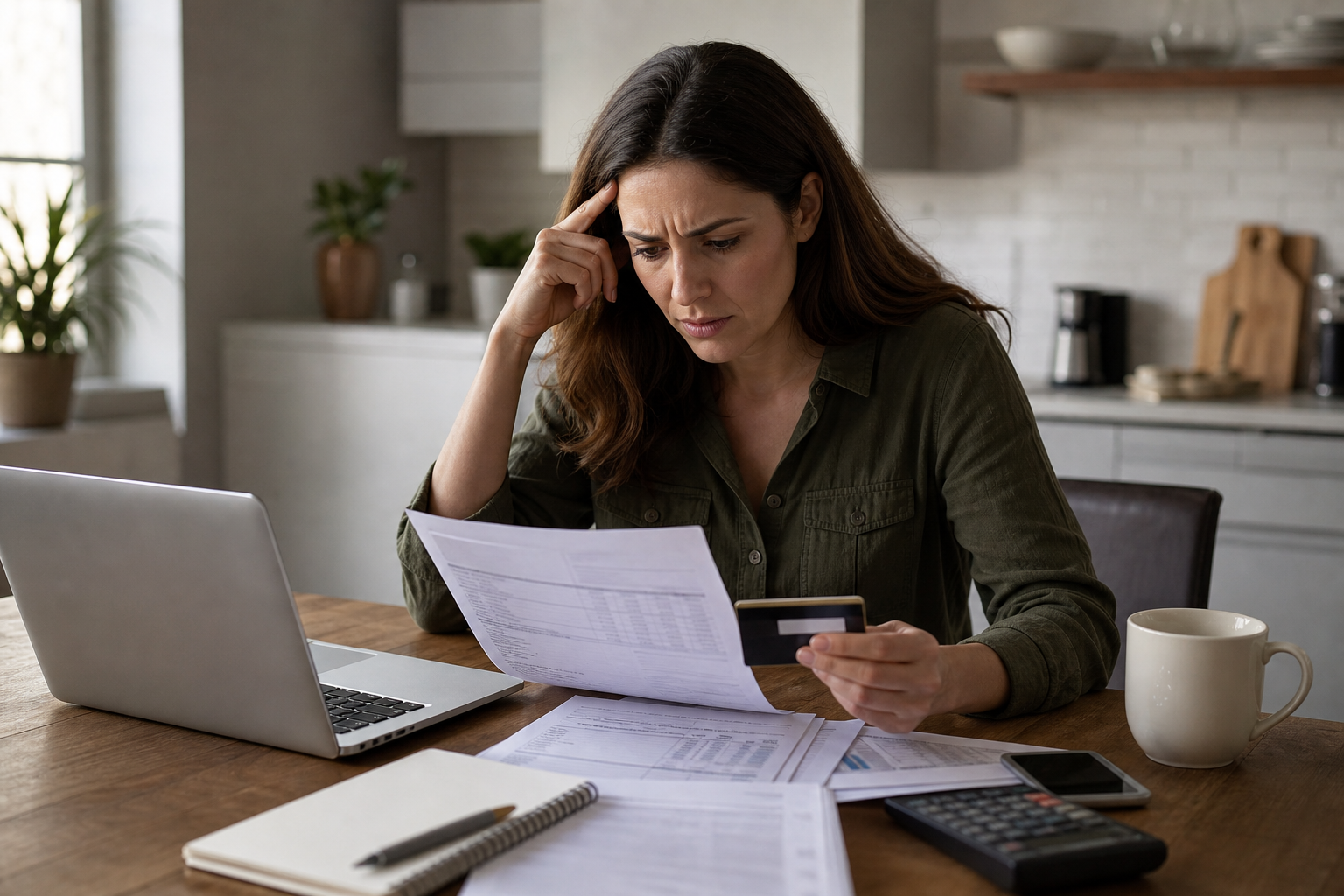
Learn how to dispute an incorrect or unauthorized credit card charge, meet the U.S. 60-day deadline, gather evidence, and handle the process in Canada.
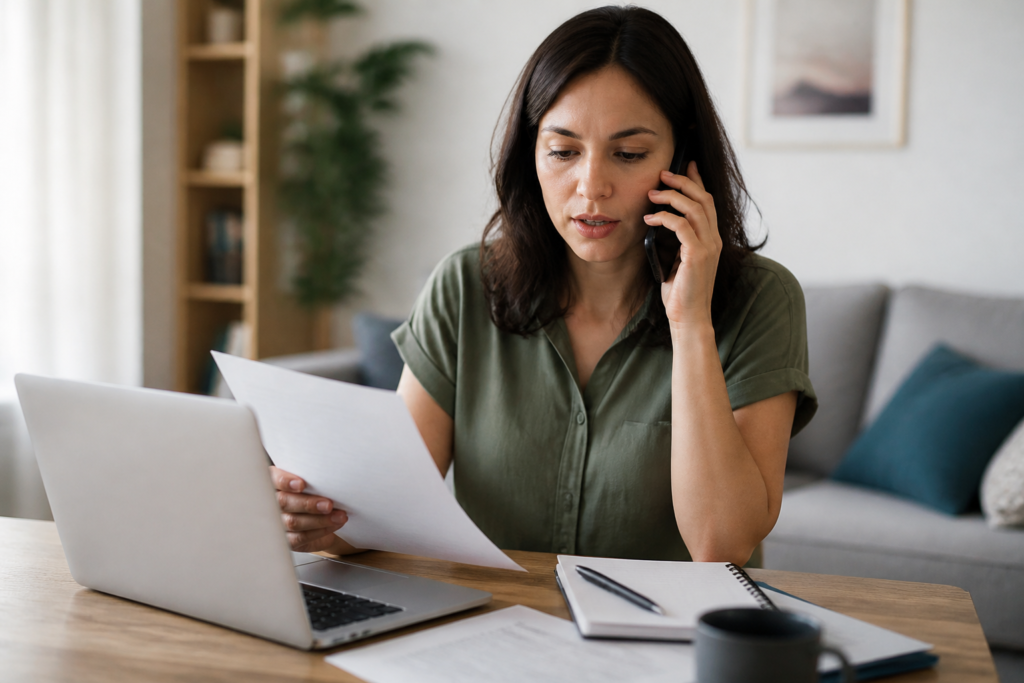
If you see an incorrect or unauthorized charge, contact the company that issued your credit card right away. Use the number on the back of the card, the number on your statement, or the issuer’s official app or website. Tell the representative exactly what is wrong and ask how to submit a formal dispute.
For U.S. cardholders, the most important deadline is usually 60 calendar days after the statement showing the error was sent. To preserve your rights under the federal billing-error process, send a written notice to the issuer’s billing-dispute address within that period. That address may be different from the payment address.
Online or phone disputes can be useful for speed, especially when the charge may be fraudulent, but follow up in writing when the U.S. billing-error rules apply. A written record gives you proof of what you disputed and when.
Read the CFPB credit card dispute instructions
A dispute is not limited to a stolen card. In the United States, common billing errors include an unauthorized transaction, a duplicate charge, the wrong amount or date, a payment or refund that was not credited, and goods or services that you did not accept or that were not delivered as agreed.
There is an important distinction between a billing error and a general complaint about product quality. If a merchant charged you twice or never delivered the order, the billing-error process may apply. If you received the product but dislike its quality, the issuer may treat that differently and may first expect you to work with the merchant.
For a subscription or recurring charge, check whether you actually authorized the original subscription. If you cancelled it and were charged again, keep your cancellation confirmation and ask both the merchant and issuer to review the later charge.
| Situation | Best first step | Evidence to keep |
|---|---|---|
| You did not make or authorize the transaction | Contact the issuer immediately and ask whether the card should be locked or replaced | Statement, fraud alerts, call records, and any identity-theft information |
| You were charged twice or for the wrong amount | Ask the issuer to correct the billing error and contact the merchant if useful | Receipt, order confirmation, and screenshots of both charges |
| You never received the order or rejected delivery | Contact the merchant, but do not delay the issuer dispute | Shipping records, promised delivery date, refund request, and messages |
| The product or service was disappointing | Start with the merchant’s return or cancellation process | Contract, return policy, photos, service records, and correspondence |
Call the issuer or use its official dispute tool as soon as you notice the charge. If the card is lost, stolen, or still exposed, ask whether the issuer should cancel the card and issue a replacement. For a suspected scam, say clearly that the charge was unauthorized or fraudulent.
If you recognize the merchant but believe the amount or transaction is wrong, describe the specific error rather than simply saying you want a refund. The issuer needs enough information to identify the account, transaction date, amount, and reason for the dispute.
Your letter should include your name, account number, disputed amount, transaction date, and a short explanation of what happened. State that you are disputing the charge and request correction of the account. Attach copies of supporting documents, not originals.
Send the notice to the billing-inquiries or billing-disputes address listed on your statement or card agreement. Do not assume the address where you mail payments is the correct one. If possible, use a delivery method that gives you a receipt and keep a complete copy of everything you send.
A simple explanation might say: “I am disputing the $___ charge dated ___ because I did not authorize it,” or “The order was not delivered as agreed, and the merchant has not corrected the charge.” Keep the wording factual and avoid adding unrelated details.
During a qualifying U.S. billing-error investigation, you generally do not have to pay the disputed amount or related finance charges while the issuer investigates. You still need to pay undisputed charges and any required minimum payment on time.
Continue checking your statements. The disputed charge may remain visible temporarily, but the account should identify that it is under investigation. Keep making payments on amounts you agree you owe so a separate late-payment problem does not develop.
Under the U.S. federal process, the issuer generally has 30 days to acknowledge your written notice unless it resolves the issue sooner. It generally must complete the investigation within two billing cycles, and no later than 90 days.
If the issuer decides the charge is correct, it must explain why in writing and tell you how much is due and when payment is required. If the issuer agrees with you, check a later statement to confirm that the charge and related amounts were actually removed or credited.
Canadian cardholders should also contact the issuer immediately, but Canada does not have one nationwide credit-card rule that matches the U.S. 60-day written-notice deadline for every dispute. Your card agreement may set a specific reporting period, and missing it can affect reimbursement or liability.
For an unauthorized credit-card transaction, federally regulated financial institutions must investigate the complaint. For bank-issued credit cards, the legal maximum liability is generally $50 unless the cardholder demonstrated gross negligence in protecting the card or account information. Visa, Mastercard, and American Express also have public commitments that may provide stronger protection in practice.
That does not mean you should wait. Change exposed passwords or PINs, report the transaction, ask whether the card should be replaced, and continue monitoring the account. If the issuer does not resolve the matter, follow its complaint-handling process and escalate through the appropriate Canadian complaint channel.
Review Canada’s unauthorized-transaction guidanceIf the problem is a defective product, cancelled service, missing delivery, or billing disagreement with a merchant, begin by documenting your attempt to resolve it. Keep the contract, return policy, receipts, delivery records, and written communication. The issuer may have its own chargeback process, but provincial and territorial consumer rules can also matter.
Do not assume a merchant’s refusal automatically guarantees a charge reversal. Explain what you purchased, what went wrong, what remedy you requested, and why the charge remains incorrect.
Keep originals in your files and send copies unless the issuer specifically requires something else. Write down the date, time, representative’s name or ID, and reference number for every conversation.
Read the written explanation carefully. Sometimes the issuer needs a clearer description, additional documents, or proof that the merchant was contacted. Respond through the issuer’s stated reconsideration or appeal channel and refer to the original dispute number.
If the issue is with a U.S. financial institution and you believe the billing-error process was mishandled, you can submit a complaint to the Consumer Financial Protection Bureau. A complaint does not replace the dispute deadline, so file the issuer notice first when time is short.
In Canada, use the financial institution’s complaint-handling process and keep copies of each response. Federally regulated institutions have designated complaint procedures, while provincial or territorial consumer offices may be relevant for merchant disputes.
File a complaint with your Canadian bank Submit a complaint to the CFPBA. Yes. In the United States, paying the charge does not automatically prevent a dispute, although a refund or account credit may not appear until the issuer completes its review. Keep the written notice and supporting evidence within the applicable deadline.
A. Not always. For an unauthorized charge, contact the card issuer immediately. For a delivery, cancellation, duplicate-charge, or refund problem, contacting the merchant can help, but do not let a slow merchant response push you past the issuer’s dispute deadline.
A. A properly handled dispute should not by itself damage your credit score. In the United States, pay undisputed amounts on time and follow the issuer’s instructions so the account is not reported late for a separate balance you actually owe.
A. Contact the issuer anyway and ask whether it will review the charge under its card agreement or voluntary dispute policy. Explain why the notice was late and provide your evidence, but understand that missing the federal billing-error deadline can reduce the protections available under that process.