Welcome to KnowHow Daily!
Practical guides, money-saving tips, tech solutions, government benefits, and useful information for everyday life.
Welcome to KnowHow Daily!
Practical guides, money-saving tips, tech solutions, government benefits, and useful information for everyday life.

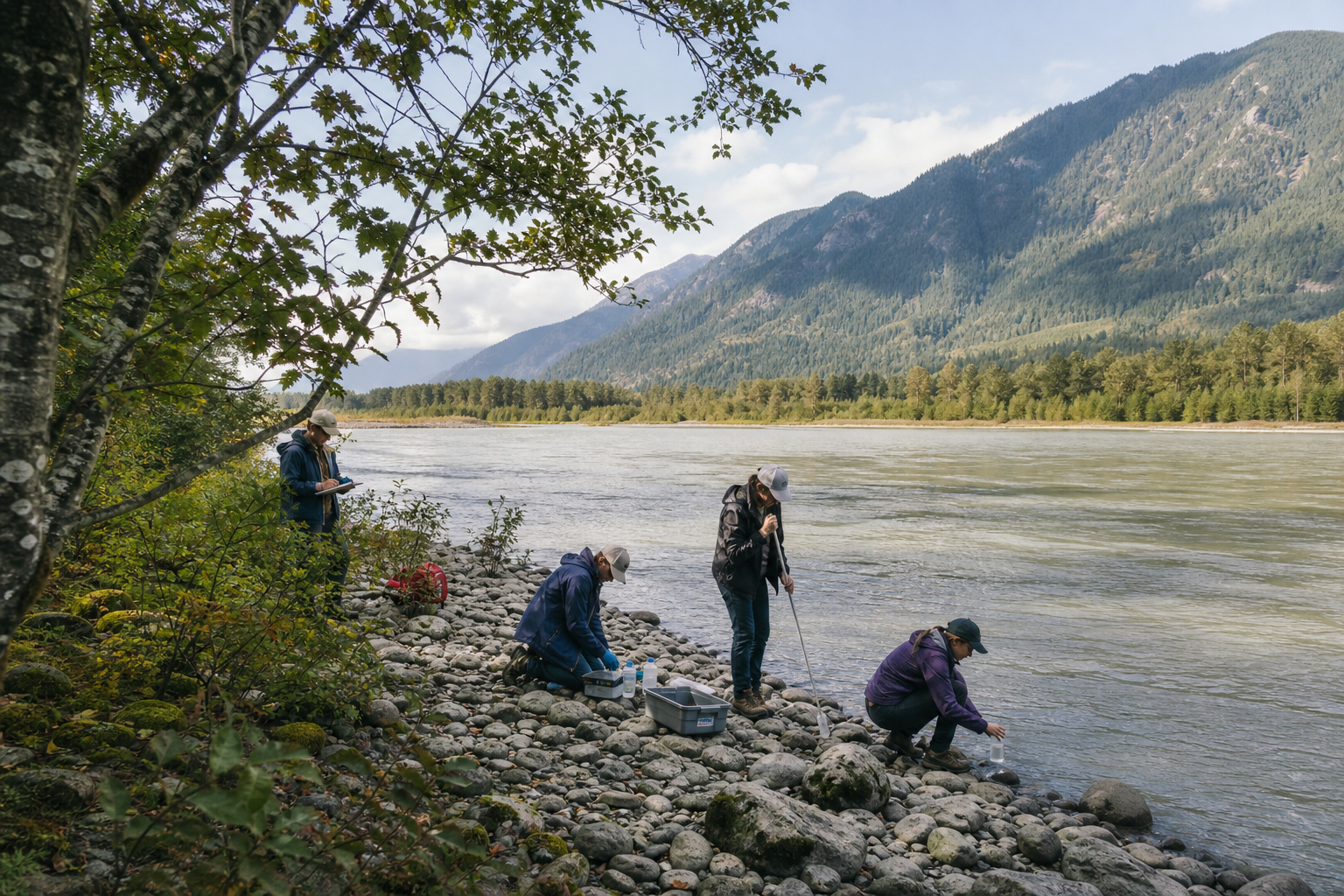
Learn who qualifies for the 2026 Fraser River Freshwater Ecosystem Initiative, what costs are covered, how matching funds work, and how to apply before October 14.
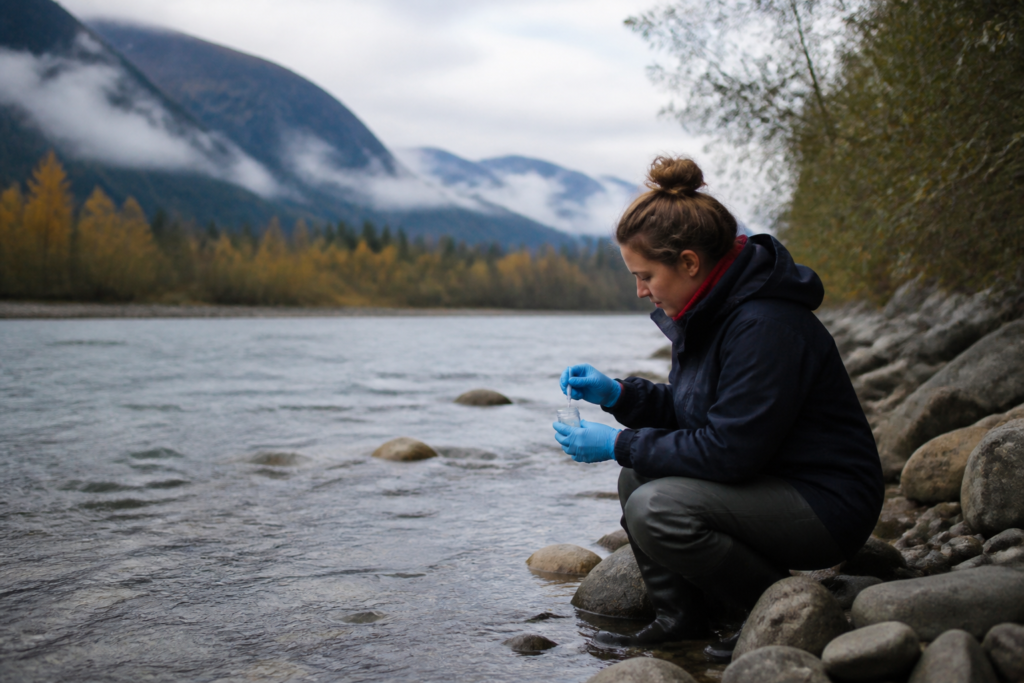
The Fraser River Freshwater Ecosystem Initiative is currently open for applications. It is a Canada Water Agency funding opportunity under the federal Freshwater Action Plan, supporting partner-led projects that improve water quality and aquatic ecosystem health in the Fraser River Basin.
The application deadline is October 14, 2026, at 12:00 p.m. Pacific time or 3:00 p.m. Eastern time. The cutoff is firm, and an application that is not submitted by the deadline will not be considered.
Projects must begin on or after April 1, 2027, and must be completed by March 31, 2030. Funding decisions will be made through a competitive, merit-based review rather than an automatic first-come, first-served process.
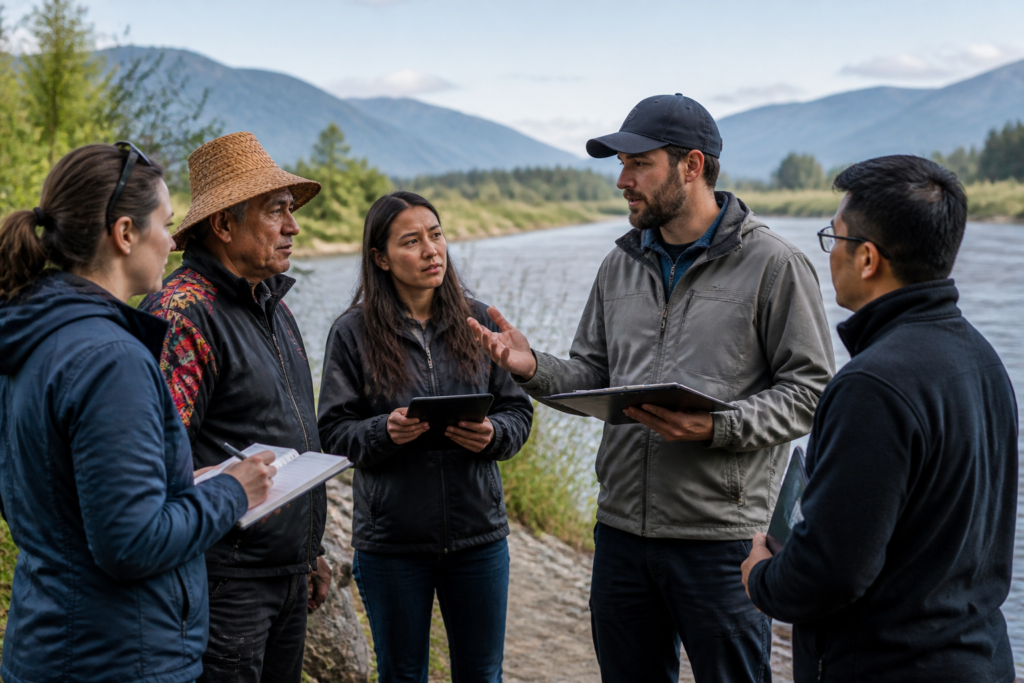
The initiative is open to Canadian-based organizations working on eligible Fraser River Basin projects. Eligible applicants include:
Applicants do not have to be located inside the Fraser River Basin, but priority may be given to applicants geographically located within it. The project itself must be implemented within the Canadian portion of the Fraser River Basin in British Columbia.
Federal and provincial or territorial governments are not eligible funding recipients. They may still participate as partners in a project led by an eligible organization.
A strong proposal needs to connect clearly to at least one of three program priorities:
This can include monitoring or analyzing indicators of aquatic ecosystem health, addressing research and data gaps, studying the effects of wildfires or land-use changes, and supporting respectful collaboration between Indigenous Knowledge and Western science.
Monitoring by itself may not be enough. Stand-alone data collection must be part of a broader trend analysis, watershed strategy, sustainability plan, or other integrated planning process.
Projects may support partnerships between Indigenous and non-Indigenous communities, knowledge-sharing activities, collaborative priority-setting, ecosystem reporting, action plans, and other processes that help organizations make better water-quality decisions.
This category covers on-the-ground actions that reduce harmful inputs into aquatic ecosystems. Examples include beneficial management practices or actions already identified through a watershed plan, water sustainability plan, watershed strategy, or similar collaborative policy.
The program does not fund every type of environmental or river-related activity. The official exclusions include projects focused primarily on:
Single-purpose stream cleanups, conference attendance, training, workshops, and meetings are also listed as ineligible when they are not part of a broader eligible project. If an idea overlaps with one of these categories, contact the Canada Water Agency before spending time on a full application.
Applicants can request up to $200,000 per project. That amount is the maximum Canada Water Agency contribution, not a promise that every approved project will receive the full amount.
At least 60% of total project support must come from sources other than the Canada Water Agency. The remaining support can include a combination of Canada Water Agency funding, cash contributions, and eligible in-kind contributions.
| Funding question | What the program says |
|---|---|
| Maximum request | Up to $200,000 per project |
| Other support required | At least 60% of total project support |
| Matching format | Cash, in-kind contributions, or a combination |
| Project window | April 1, 2027 to March 31, 2030 |
Eligible costs can include salaries and benefits, professional services, monitoring, communications, translation, audit and legal fees, project-related travel and venues, Indigenous participation and ceremonies, honoraria for Elders and Knowledge Keepers, materials, supplies, printing, equipment, vehicle costs, contractors, and a reasonable share of overhead or administration. The guide limits overhead and administrative costs to 20% or less when directly attributed to project delivery.
Lobbyist fees are not eligible. For-profit recipients cannot claim equipment or capital-asset purchases or rentals, or costs associated with land securement. Applicants should also identify all expected cash and in-kind contributors in the project budget.
A competitive application should be more specific than a general statement about protecting the Fraser River. Prepare the following before opening the online form:
If Indigenous organizations or communities are involved, explain whether they are leading or actively participating in the design and delivery of the project. The guide encourages projects that support Indigenous-led stewardship, knowledge sharing, youth participation, and intergenerational transfer of knowledge.
Applications must be submitted through the Grants and Contributions Enterprise Management System, known as GCEMS. The system is shared by the Canada Water Agency and Environment and Climate Change Canada, so references to ECCC within the platform also apply to this funding opportunity.
Open the official GCEMS application platformThe Canada Water Agency recommends registering in GCEMS early so applicants can access the guide and begin preparing the proposal before the final day. Technical questions about GCEMS can be sent to sgesc-gcems@ec.gc.ca. Program questions can be directed to Fraser@cwa-aec.gc.ca.
Applications first go through an administrative review to confirm eligibility. An application review committee then evaluates the proposal against the program priorities, partnerships, matching support, technical quality, management capacity, Indigenous-led elements where applicable, use of existing knowledge, and plans to communicate results.
All applicants will receive written notification by email. If a project is approved, the applicant must negotiate a Contribution Agreement with the Canada Water Agency. The agreement must confirm funding sources, project design, delivery plans, progress evaluations, expected results, and the budget forecast.
Approved recipients must submit reports during the project. Payments depend on reports being submitted, reviewed, and approved. At least 10% of the final payment is held back until the final report has been submitted and approved.
The safest next step is to compare your project against the official eligibility sections, build the matching-fund calculation, and create the GCEMS account well before the October 14 deadline.
A. The official eligibility list is for Canadian-based organizations. Applicants outside the Fraser River Basin may apply, but a U.S.-based organization should not assume it qualifies as the applicant. It may need to participate through an eligible Canadian-based partner.
A. No. At least 60% of total project support must come from sources other than the Canada Water Agency. Those sources can include cash, in-kind contributions, or both.
A. Not usually. The program excludes projects focused on a single-issue action such as a stream cleanup when it is not part of a broader eligible plan or project addressing nutrients, contaminants, sediments, collaboration, or ecosystem knowledge.
A. You must identify required permits or authorizations in the application. If approvals have not yet been obtained, include the expected timeline for securing them in the project work plan.









FDA Infant Formula Standards Proposal: What Parents Need to Know About Nutrient Changes and the Comment Deadline